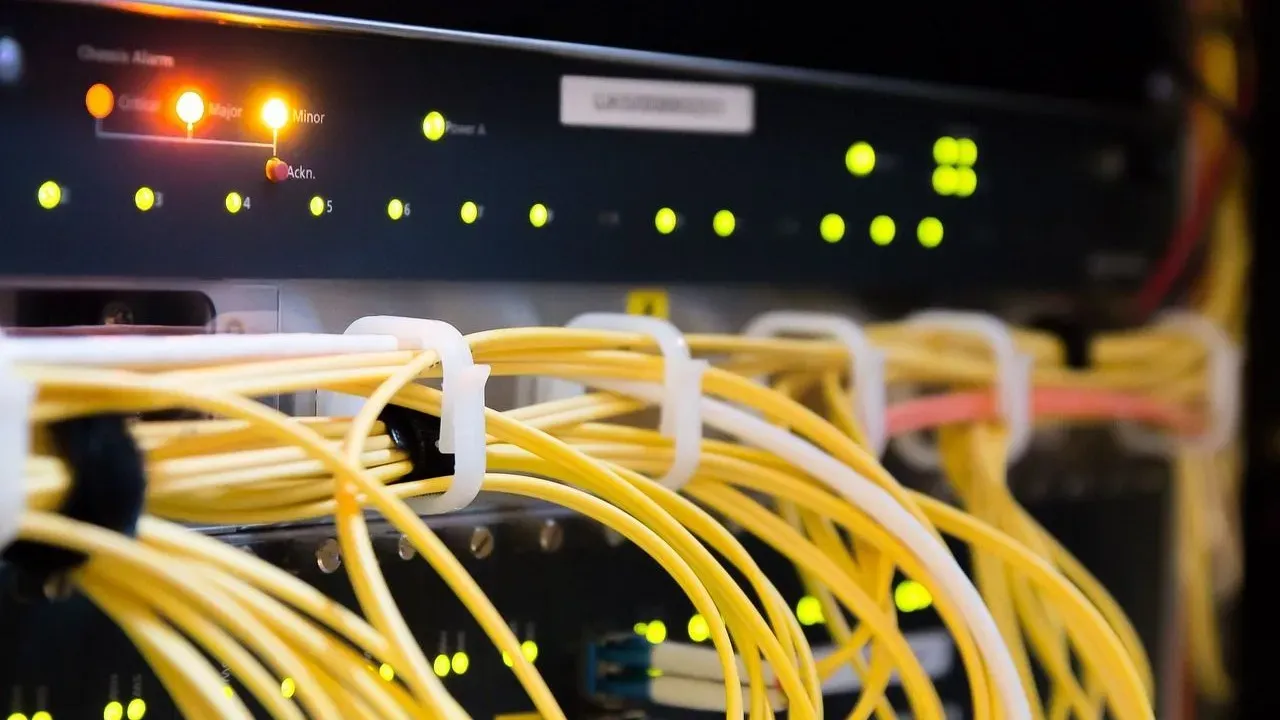

The Federal Aviation Administration is pausing the installation of Juniper routers that are part of its air traffic communications upgrade, following last week’s nationwide ground stop, an agency spokesperson confirmed to ABC News on Tuesday ([1]). The decision comes days after flights across the country were halted, and investigators have not yet settled on why the network failed.
A modernization project under strain
The issue stemmed from routine work to upgrade the FAA’s aging telecommunications network, replacing copper wires with fiber-optic connections. The agency is adding Juniper routers to the network as part of the transition. The contractor doing that work is L3Harris. The senators said FAA contractor L3Harris plans to install 3,648 Juniper routers, with 400 installed so far and just 69 operational.
The stakes of that project extend beyond a single Friday. The Trump administration is seeking $50 billion to modernize air traffic control, a system that has been difficult to upgrade for decades. The current pause puts a spotlight on how quickly, and how carefully, that work should proceed.
What happened on Friday
The ground stop was far from minor. The nationwide ground stop halted US departures for more than four hours. Over 12,000 flights were canceled Friday after the telecommunications failure, and thousands more were delayed. The disruption reached well beyond the departure boards. The outage affected communications and radar feeds at 17 of the nation’s 22 en route air traffic control centers.
Technicians traced the trouble to equipment at a new site. FAA spokesperson Ian Gregor said the agency paused new installations of Juniper routers and disabled the functionality of all existing ones on Friday after technicians linked the problems to a new router in El Dorado, Arkansas. The FAA has said that another router installed three weeks earlier in Amarillo, Texas, also went haywire. The agency has taken several steps since then:
- It disabled the functionality of the originating Juniper routers.
- As a precaution, it disabled the same functionality on more than 60 other Juniper routers in the system.
- It is relying on older Cisco routers that have been in place for 25 years to keep the network running while it investigates.
- It has said it will reconsider the timing of replacement and maintenance work, since the router swap took place in the middle of the day.
The FAA described the underlying trigger in technical terms. The Federal Aviation Administration said that “excessive data” was flooding the system “at a rate of 1,000 connection attempts every 4 to 5 seconds.” That deluge created instability with “aircraft communications and radar feeds” when those connection attempts overwhelmed the 25-year-old routers throughout the network, the agency said.
Competing explanations and open questions
The cause remains contested. A spokesperson for HPE, the router manufacturer’s parent company, told the Wall Street Journal its equipment was working as configured. An HPE spokesperson said that they appear to be working as intended and that “They did not fail.” Transportation Secretary Sean Duffy has pointed to the upgrade work itself. Duffy previously said upgrade work on an old telecommunications system could be a cause for the nationwide ground stop, noting L3Harris was doing routine maintenance to switch telecommunication lines from an old copper wire to fiber in at least one remote FAA location.
Some reports have gone further. One account states that the FAA determined that a rogue feature in two newly installed routers are to blame for the communications glitches that caused the nationwide ground stop. That claim is not the agency’s official position as reported elsewhere. The FAA has not established a definitive root cause of the outage. The distinction matters, because it determines whether the problem lies in the hardware, the installation, or the configuration.
Lawmakers are also pressing for answers. Democrats in the Senate on Tuesday called for pausing the replacement of thousands of routers across the nation’s air traffic control system. They also demanded that the Trump administration provide clear answers about what went wrong.
What to watch next
The pause has no announced end date. An FAA spokesperson told CNN the agency is pausing installation of new Juniper telecommunications routers while it investigates the Nov. 13 ground stop; no end date was given. The routers involved are being examined in a lab at L3Harris headquarters in Florida, and the findings will likely shape how the remaining installations proceed.
What the pause means for flyers
For passengers, the pause is less about immediate schedules than about confidence in the system that guides every flight. Air traffic controllers depend on steady communications with aircraft, and the Friday failure showed how quickly a single equipment problem can ripple outward. Airlines have worked through the backlog, but the question of how the FAA modernizes without repeating the disruption now sits at the center of the debate.
The coming weeks will likely determine whether the pause is a short precaution or the first step in a longer rethink of the rollout. Until investigators pinpoint the cause, the agency is running on older equipment while it works through a much larger upgrade. That trade-off, and how the agency explains it, will shape public trust in the next phase of the project.
AI Disclaimer: This article was created with the assistance of AI tools and reviewed by a human editor.