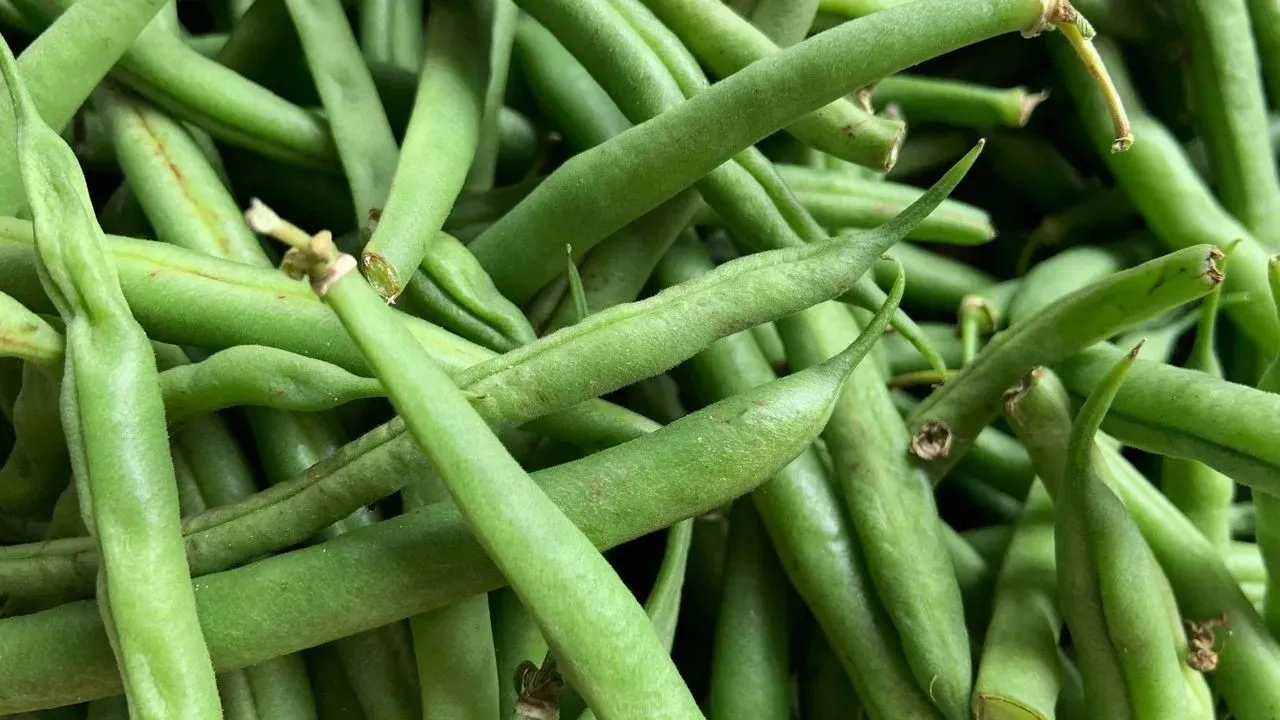

Gardeners often assume the window for warm-season crops closes once summer heat fades, yet many regions still offer enough mild days for a productive second round of green beans. With careful attention to planting dates and a few protective steps, it is possible to enjoy fresh pods well into autumn. The approach works especially well for those who missed an earlier sowing or simply want to stretch the harvest using leftover seeds. ([1])
Why a Fall Crop Makes Sense Now
Planting green beans later in the season delivers more than just extra vegetables. The plants improve soil by fixing nitrogen, which benefits whatever follows in the next growing year. Weeds tend to slow down as temperatures drop, reducing competition compared with midsummer plantings. For many home cooks, the real payoff is culinary: tender beans that arrive just as tomatoes and squash begin to taper off, perfect for casseroles, salads, or gatherings through early autumn.
Success hinges on matching the crop to local conditions rather than forcing it into an impossible schedule. In areas with a first frost around late October, for instance, the calendar leaves a workable but narrow margin. Those farther north may need extra measures such as row covers or movable containers to buy a few additional weeks.
Pinpointing the Right Planting Window
Green beans thrive when daytime temperatures stay between 65 and 85 degrees Fahrenheit. Seeds germinate readily in warm late-summer soil, but the real constraint is the approach of frost, which kills plants and any remaining pods. Bush varieties generally reach harvest in 45 to 60 days, while pole types often need closer to 60 to 90 days plus extra time for staggered picking.
A practical rule is to count backward from the average first frost date. Add roughly two weeks to the days-to-maturity figure on the seed packet for bush beans, or about 30 days for pole beans. In many zones this translates to sowing around 10 weeks before frost. Soaking seeds for several hours before planting can speed germination and help the crop stay on schedule.
Choosing Varieties and Sites That Perform
Bush beans usually offer the best odds for a fall crop because they mature quickly and produce heavily in a short window. Early options such as ‘Masai’ or disease-resistant ‘Provider’ fit well when time is limited. Pole varieties can succeed with a longer head start; fast producers like ‘Kentucky Wonder’ are worth considering where the season allows.
Full sun remains essential, and the chosen spot should receive at least six to eight hours daily even as daylight shortens. Well-drained average soil works fine. Avoid planting directly beside maturing summer companions that will soon be pulled, as disturbing the beans’ shallow roots later can set the new crop back. Brassicas make better neighbors because the beans finish first and the two crops do not compete heavily for space or light.
Protecting Seedlings and Managing the Harvest
Late-summer heat can stress young plants, so shading the soil during germination with cloth or temporary cover helps when temperatures exceed 90 degrees. Consistent moisture is critical in the first weeks; a fine spray keeps the surface from drying out without washing seeds away. Once established, mulch suppresses weeds and holds moisture, while regular weeding in the early stages prevents established competitors from overtaking the crop.
Containers offer flexibility for gardeners near the frost deadline. Larger pots on wheeled bases can be moved to capture remaining sun or sheltered briefly if a cold snap threatens. Harvesting often encourages continued production, so picking pods while they are still slender and tender keeps the plants productive right up to the first frost.
Looking Ahead to Cooler Months
A fall green bean planting rewards planning more than luck. By aligning sowing with the frost calendar, selecting quick-maturing types, and giving seedlings the right start, gardeners can turn what feels like the end of the season into an unexpected extension of fresh produce. The result is both practical and satisfying: nitrogen-enriched soil, fewer weeds to battle, and beans ready for the table when many other summer crops have already finished.
AI Disclaimer: This article was created with the assistance of AI tools and reviewed by a human editor.