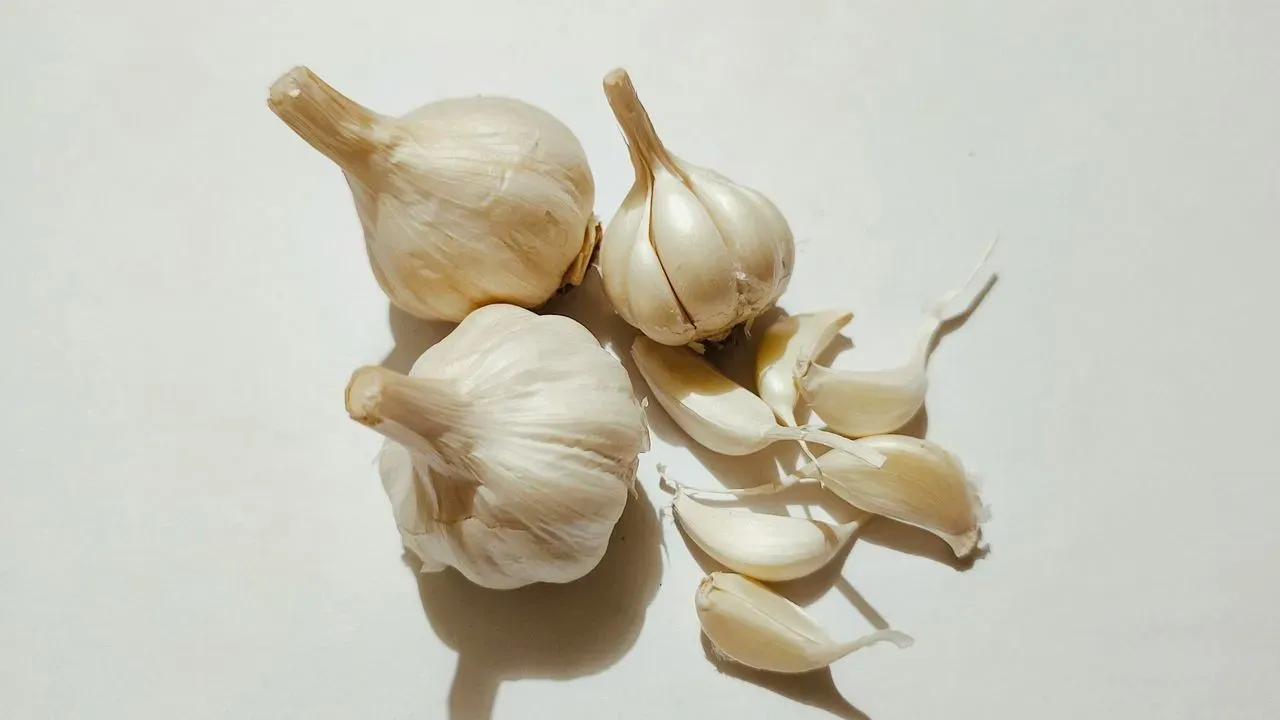

Home gardeners often face a sudden surplus after pulling garlic from the soil. A successful harvest can quickly exceed what a household uses fresh, leaving bulbs at risk of sprouting or spoiling. Proper preservation turns that abundance into a reliable supply for cooking throughout the seasons. The process begins with careful handling right after harvest and continues with several reliable techniques.
Curing and Storing Whole Bulbs
Curing prepares freshly harvested garlic for long-term storage by drying the outer layers. Gardeners typically lay the bulbs in a warm, dry, well-ventilated area for several weeks. This step reduces moisture that could lead to mold or rot during storage. Once cured, the garlic develops a protective skin that helps it remain firm and flavorful for months.
After curing, whole bulbs store best in a cool, dark place with good air circulation. Mesh bags or open baskets work well because they prevent moisture buildup. Many gardeners report that properly cured garlic lasts from six to eight months under these conditions. Checking stored bulbs regularly allows removal of any that show signs of softening before they affect the rest.
Freezing for Quick Access
Freezing offers a straightforward option when immediate use is not possible. Peeled cloves or chopped garlic can be portioned into small containers or ice-cube trays. This method preserves the pungent flavor for use in soups, sauces, and stir-fries later. Frozen garlic retains its quality for several months without significant loss of aroma.
Some gardeners prefer to freeze garlic in oil to create convenient flavor cubes. The oil helps prevent freezer burn and makes the garlic easy to add directly to hot pans. Proper labeling with dates ensures older portions are used first. This approach works especially well for households that cook frequently with garlic.
Drying Garlic for Pantry Staples
Drying concentrates the flavor and creates a lightweight product that stores compactly. Sliced or minced garlic can be dehydrated using a food dehydrator or a low oven setting. Once fully dry, the pieces become brittle and can be stored in airtight jars. Dried garlic keeps its potency for up to a year when kept away from light and humidity.
Many cooks grind dried garlic into powder for everyday seasoning. The process requires only basic equipment and yields a versatile ingredient that replaces fresh garlic in many recipes. Rehydrating dried pieces in water or broth restores much of the original texture for use in cooked dishes. This method reduces waste from large harvests while adding variety to the spice rack.
Pickling for Added Flavor
Pickling transforms garlic into a tangy condiment that complements sandwiches, salads, and roasted vegetables. Whole cloves or larger pieces are submerged in a vinegar brine with salt and optional spices. The acidity preserves the garlic while mellowing its sharp bite over time. Refrigerated pickled garlic typically remains good for several months.
The pickling process also creates a flavored vinegar that can be reused in dressings or marinades. Gardeners often experiment with additions such as herbs or chili flakes to customize the taste. Because the method uses simple pantry ingredients, it provides an accessible way to handle surplus cloves without specialized equipment. The result is both a preserved vegetable and a useful cooking liquid.
Planning Ahead for Future Harvests
Successful preservation starts with timing the harvest correctly and handling bulbs gently to avoid bruising. Gardeners who track their yields can adjust planting quantities in following seasons to match household needs. Combining several methods – such as curing some bulbs while freezing or pickling others – spreads risk and provides options for different recipes.
These techniques allow home growers to enjoy the results of their labor long after the growing season ends. With a modest investment of time at harvest, excess garlic becomes a dependable resource rather than a short-term surplus. The outcome is a more self-sufficient kitchen stocked with home-preserved ingredients.
AI Disclaimer: This article was created with the assistance of AI tools and reviewed by a human editor.