

As a gardener, it’s easy to view insects as the enemy, especially when you find them munching on your prized plants. However, not all bugs are bad! In fact, some of the insects people commonly dislike are actually beneficial for your garden. These unsung heroes play crucial roles in pollination, pest control, and soil health. By understanding their benefits, you can create a more balanced and thriving garden ecosystem.
In this article, we’ll explore several insects that might not be popular, but are incredibly valuable for your garden. From predatory beetles to pollinating wasps, these insects can help you achieve a healthier, more productive garden. Let’s dive into the world of beneficial insects and discover why they deserve a place in your garden!
Wasps
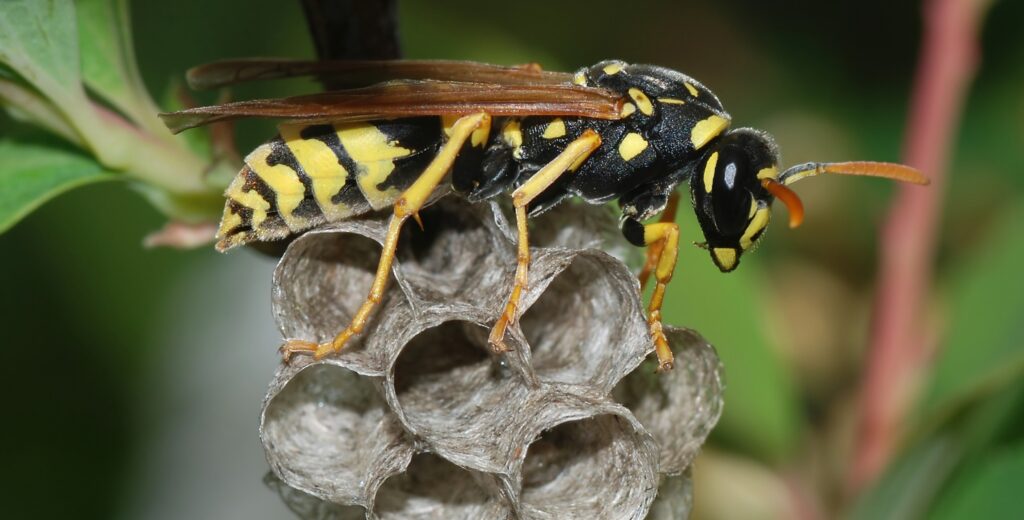
Wasps often get a bad rap due to their painful stings and aggressive behavior, but they are some of the most effective predators of garden pests. Native to various regions worldwide, wasps help control populations of caterpillars, beetle larvae, and other harmful insects. Certain species, such as paper wasps and parasitic wasps, are particularly beneficial for maintaining garden health.
To make your garden more attractive to wasps, provide a variety of flowering plants that bloom at different times, ensuring a continuous supply of nectar. Plants like goldenrod, marigold, and zinnia are great choices. While it’s important to respect their space and avoid disturbing their nests, having wasps in your garden can significantly reduce pest problems and enhance pollination.
Spiders
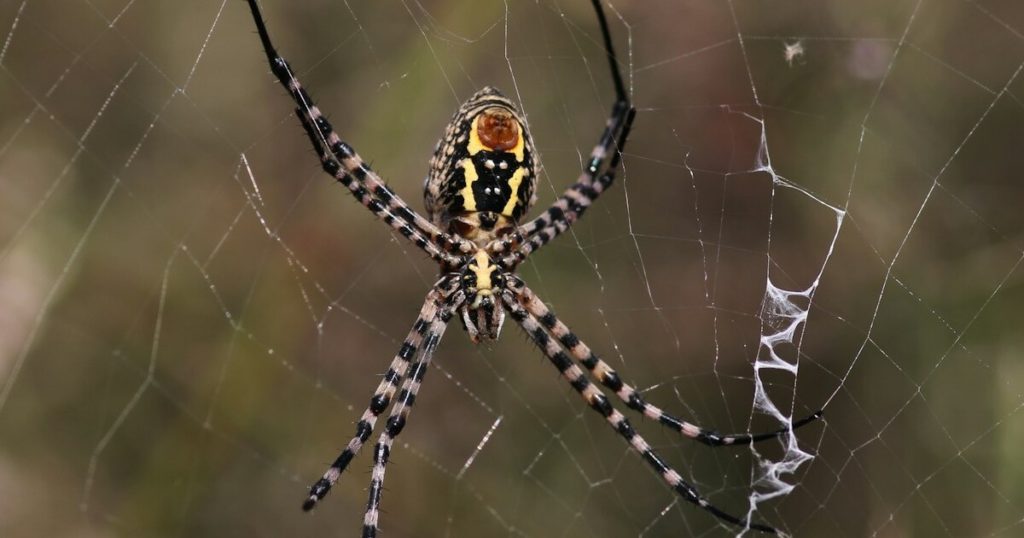
Spiders are another group of often-misunderstood garden allies. These arachnids are exceptional hunters, preying on a wide range of insects, including mosquitoes, flies, and beetles. By controlling the populations of these pests, spiders help protect your plants and maintain ecological balance. Native to virtually every region on Earth, spiders are an integral part of any garden ecosystem.
Encouraging spiders in your garden can be as simple as providing natural habitats, such as leaf litter, rocks, and shrubs. Avoid using broad-spectrum pesticides, which can harm spiders and other beneficial insects. Embrace the presence of spiders and appreciate their role in keeping your garden healthy and pest-free.
Ground Beetles

Ground beetles are often overlooked, but they are powerful allies in the fight against garden pests. These nocturnal hunters feed on a variety of harmful insects, including slugs, snails, cutworms, and caterpillars. Ground beetles are native to many regions worldwide and are particularly effective at controlling pests at the soil level.
To attract ground beetles, provide plenty of ground cover, such as mulch, stones, and logs, which offer shelter and hunting grounds. Avoid disturbing the soil too frequently, as this can disrupt their habitats. By fostering a healthy population of ground beetles, you can naturally reduce pest problems and improve the health of your garden.
Dragonflies

Dragonflies are stunning insects that are also highly beneficial for your garden. Known for their incredible agility and speed, dragonflies are efficient predators of mosquitoes, flies, and other small insects. Native to wetlands and freshwater habitats worldwide, dragonflies can help keep pest populations under control while adding a touch of beauty to your garden.
To attract dragonflies, consider adding a water feature, such as a pond or birdbath, which provides a breeding ground and hunting area. Planting tall, grassy plants near water sources can also create suitable habitats for dragonflies. By welcoming these aerial acrobats into your garden, you can enjoy both their beauty and their pest-control benefits.
Hoverflies
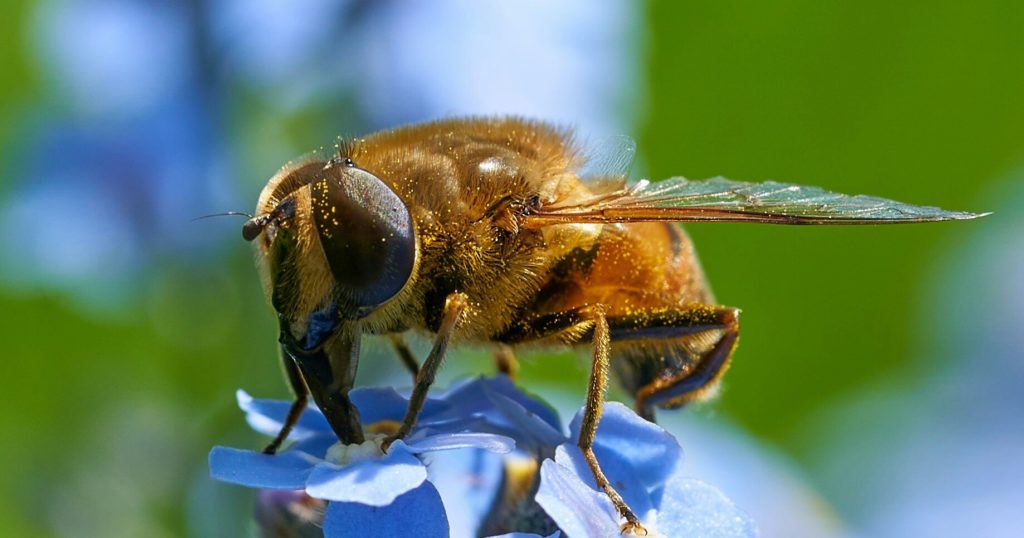
Hoverflies, also known as syrphid flies, are often mistaken for bees or wasps due to their similar appearance. However, these beneficial insects are harmless to humans and play a crucial role in pollination and pest control. Native to many regions worldwide, hoverflies are excellent pollinators and their larvae feed on aphids, thrips, and other garden pests.
To attract hoverflies, plant a variety of flowers that produce nectar and pollen, such as marigolds, sunflowers, and alyssum. Avoid using pesticides that can harm these beneficial insects. By fostering a hoverfly-friendly environment, you can enhance pollination and naturally reduce pest populations in your garden.
Praying Mantises
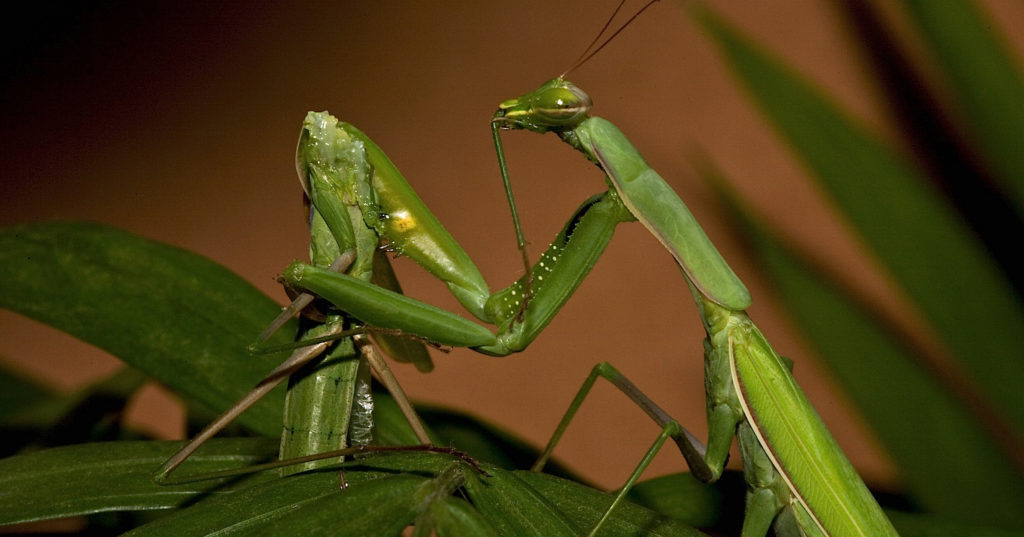
Praying mantises are fascinating insects known for their predatory skills. These agile hunters feed on a wide range of garden pests, including beetles, caterpillars, and grasshoppers. Native to various regions worldwide, including North America, Europe, and Asia, praying mantises are valuable allies in maintaining garden health.
To encourage praying mantises in your garden, provide a diverse range of plants and avoid using broad-spectrum pesticides. You can also purchase egg cases from garden centers to introduce these beneficial insects. Watching a praying mantis at work is a unique and exciting experience that highlights the natural balance of your garden ecosystem.
Ants
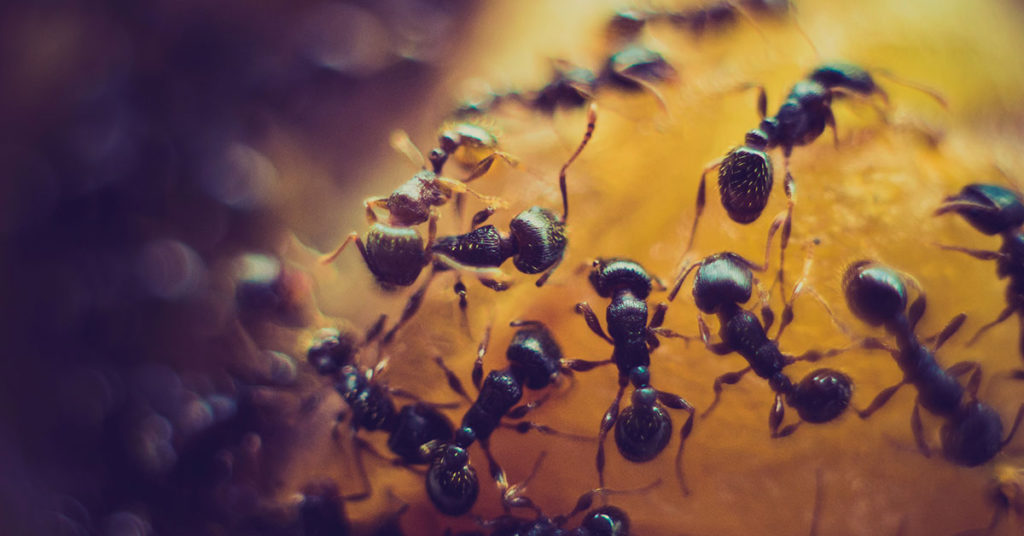
While ants can be a nuisance, they also offer several benefits to your garden. Ants help aerate the soil, improve nutrient cycling, and control pests such as caterpillars and aphids. Native to nearly every region on Earth, ants play a vital role in maintaining soil health and promoting plant growth.
To manage ants effectively, focus on creating a balanced garden ecosystem rather than eliminating them entirely. Avoid using chemical ant killers, which can disrupt the natural balance and harm beneficial insects. By understanding and respecting the role of ants, you can create a healthier and more resilient garden.
Dung Beetles

Dung beetles are often overlooked, but they play a crucial role in nutrient cycling and soil health. These industrious insects feed on animal dung, breaking it down and incorporating it into the soil. This process improves soil fertility, aeration, and structure. Native to many regions worldwide, dung beetles are essential for maintaining healthy ecosystems.
To support dung beetles, provide a diverse habitat with a mix of plants and avoid using chemical pesticides. If you have livestock, allowing some dung to remain in the pasture can benefit dung beetle populations. By appreciating the work of dung beetles, you can enhance soil health and promote a thriving garden.
Earwigs
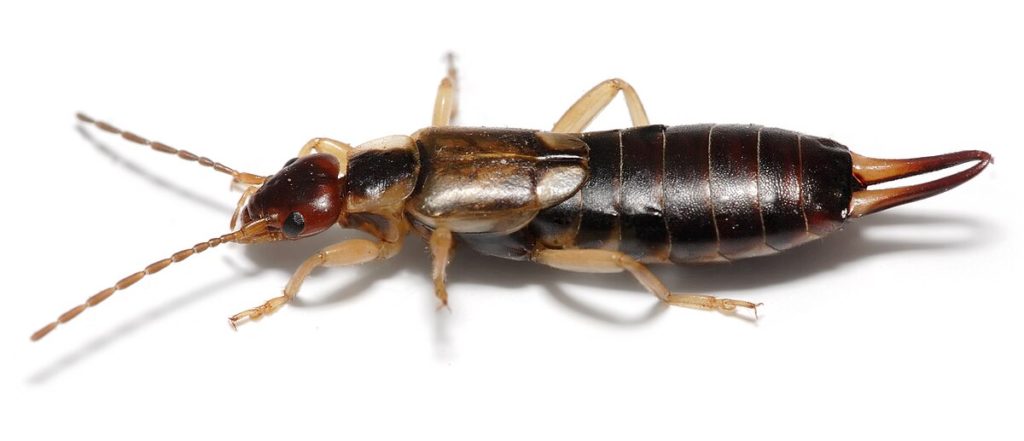
Earwigs often have a bad reputation due to their intimidating appearance, but they can be beneficial for your garden. These nocturnal insects feed on aphids, mites, and other small pests, helping to keep pest populations under control. Native to various regions worldwide, earwigs can contribute to a balanced garden ecosystem.
To attract earwigs, provide hiding spots such as rocks, mulch, and plant debris. Avoid using broad-spectrum pesticides that can harm these beneficial insects. By recognizing the positive role earwigs play, you can create a healthier garden environment and reduce the need for chemical pest control.