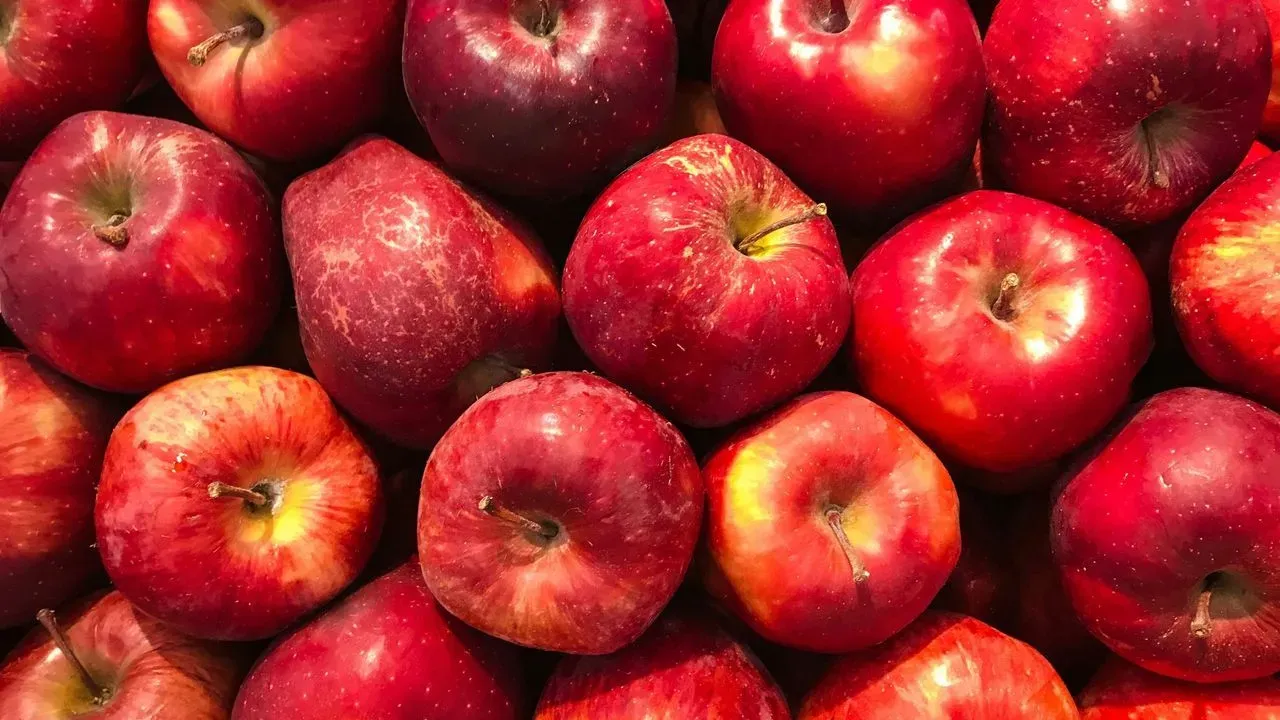

As autumn settles in across orchards and markets, attention is turning to apple varieties that predate modern supermarkets by centuries. These heirloom fruits carry names that sound like characters from a Victorian novel, yet they deliver flavor and texture that stand out in a season filled with familiar options. The renewed interest reflects a broader shift toward rediscovering older crops that once defined American and British orchards. ([1])
Names That Echo Another Era
Esopus Spitzenburg, Cornish Gilliflower, and Hubbardston Nonesuch are among the antique varieties drawing fresh notice. Their titles evoke a time when apples were named for places, people, or distinctive traits rather than marketing slogans. Gardeners and cooks who encounter them often remark on how the labels alone spark curiosity before the first bite.
These names trace back to the 1700s and early 1800s, when selective breeding and regional preferences shaped what grew in home orchards. The Dickensian ring of the words adds a layer of charm that modern hybrids rarely match. Collectors of heritage plants have kept many of these lines alive through careful propagation over generations.
Flavor and Texture That Stand Apart
What sets these older apples apart is their balance of bright acidity, aromatic depth, and firm yet yielding flesh. Unlike many contemporary varieties bred for long-distance shipping and uniform appearance, these fruits prioritize eating quality straight from the tree. Their complexity rewards slow savoring rather than quick consumption.
Home cooks report that the texture holds up well in both raw preparations and simple baked dishes. The flavors can range from spicy and wine-like to floral and honeyed, depending on the specific variety and growing conditions. Such characteristics explain why enthusiasts describe them as packed with the kind of freshness that feels newly discovered each season.
Why They Fit the Current Moment
Fall apple season brings renewed focus on local and seasonal eating, creating space for varieties that were once common but later faded from wide circulation. Gardeners appreciate the resilience some of these trees show in certain climates, while food enthusiasts seek out distinctive tastes that differ from standard supermarket fare. The movement aligns with wider interest in preserving agricultural diversity.
Small orchards and specialty nurseries have played a key role in keeping these apples available. Their reappearance at farmers markets and through direct sales channels allows more people to taste the difference firsthand. This gradual return highlights how older crops can complement rather than compete with newer selections.
Practical Steps for Curious Growers
Those interested in trying these varieties can start by checking local orchards or heritage fruit suppliers during peak harvest months. Many trees remain available through specialized nurseries that focus on disease-resistant or regionally adapted stock. Planting even one or two can connect a garden to centuries of apple-growing tradition.
Storage and use follow the same principles as other apples, though the firmer texture often means they keep well into winter when handled carefully. Experimenting with them in simple recipes lets the natural qualities shine without heavy intervention. The reward comes in discovering flavors that feel both familiar and surprising at the same time.
AI Disclaimer: This article was created with the assistance of AI tools and reviewed by a human editor.