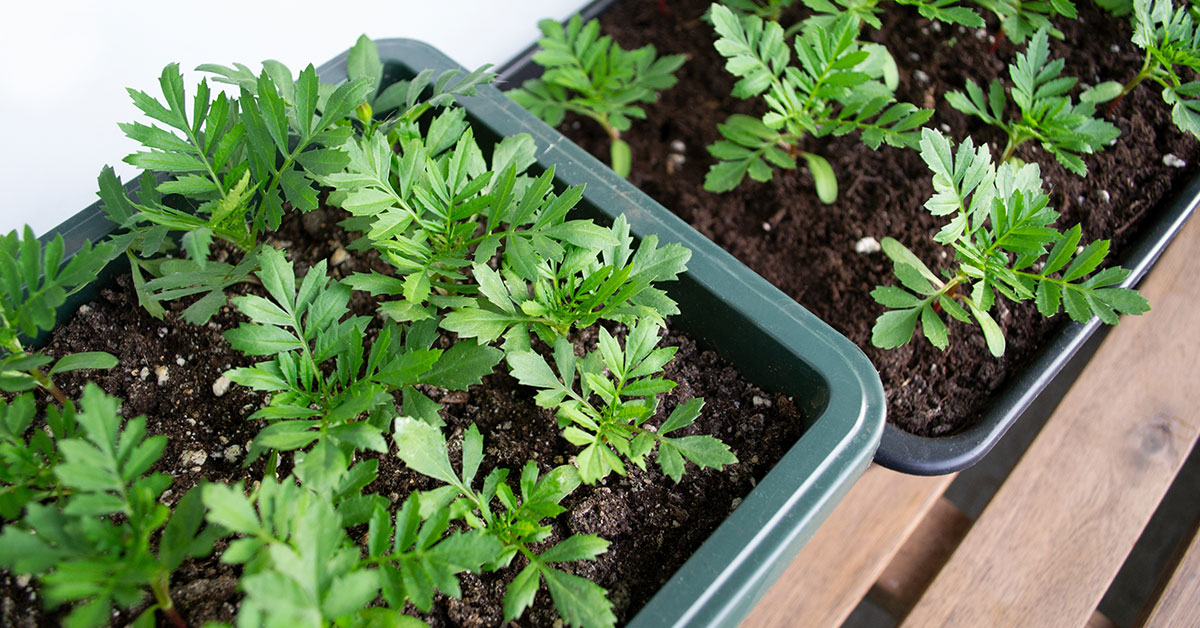

Welcome to the wonderful world of English Marigolds! These vibrant and cheerful flowers are a popular choice among gardeners, thanks to their stunning blooms and easy-to-grow nature. Whether you’re a seasoned gardener or just starting out, growing English Marigolds can be a rewarding and enjoyable experience. In this article, we will delve into the specifics of cultivating the English Marigold, including the ideal growing conditions, proper care and maintenance, and tips for ensuring a bountiful display of colorful blooms. So, grab your gardening gloves and let’s dive into the world of English Marigolds!
What is an English Marigold?
The English Marigold, also known as Calendula officinalis, is a popular flowering plant that belongs to the daisy family (Asteraceae). Despite its common name, it is not a true marigold and is native to Southern Europe. English Marigolds are herbaceous annuals, meaning they complete their life cycle within one year. They grow in compact, bushy forms, reaching a height of about 1 to 2 feet (30 to 60 cm) and spreading up to 1 foot (30 cm) wide.
The plant produces numerous bright and vibrant flowers that are typically yellow or orange in color, although some cultivars may have variations in shades like apricot or cream. The flowers of the English Marigold are composed of multiple layers of petals, giving them a full and fluffy appearance. Each flower head consists of a central disk surrounded by ray petals that radiate outward.
The petals are slightly wavy and can have a varying degree of ruffling, adding to their charm. The flowers typically measure around 2 to 3 inches (5 to 7.5 cm) in diameter. English Marigolds have a long blooming period, usually from early summer until the first frost in autumn. They are known for their ability to attract pollinators like bees and butterflies to the garden. Additionally, the flowers have a pleasant fragrance that adds to their appeal.
These marigolds are versatile plants and can be grown in various settings, including garden beds, borders, containers, and even as cut flowers for floral arrangements. They prefer full sun to partial shade and well-draining soil. English Marigolds are relatively low-maintenance plants, requiring regular watering and occasional deadheading to promote continuous blooming.
It’s important to note that the English Marigold should not be confused with the French Marigold (Tagetes patula) or the African Marigold (Tagetes erecta), which are different species altogether.
Where is the English Marigold native?
English Marigold, also known as Calendula officinalis, is native to southern Europe, particularly the Mediterranean region. It has been cultivated and naturalized in various parts of the world, including North America.
English Marigold is not considered invasive in most regions. While it can self-seed and spread in favorable conditions, it is generally well-behaved and easy to control. It does not aggressively invade natural habitats or outcompete native plants. However, it’s always a good practice to monitor the growth of any plant and prevent it from spreading excessively in your garden or natural areas.
How to grow English Marigolds indoors
English Marigolds, also known as Calendula officinalis, are beautiful flowering plants that can be grown indoors. Here is a care guide to help you successfully grow English Marigolds indoors:
- Lighting: English Marigolds thrive in bright, indirect sunlight. Place your plant near a south-facing window where it can receive at least 4-6 hours of sunlight per day. If natural light is limited, you can supplement it with fluorescent grow lights placed 6-12 inches above the plant.
- Temperature: English Marigolds prefer moderate temperatures between 60-75°F (15-24°C). Avoid placing them near drafts or extreme temperature fluctuations.
- Soil: Use well-draining soil that is rich in organic matter. A mix of potting soil, compost, and perlite or sand works well for English Marigolds. Ensure that the soil is moist but not waterlogged.
- Watering: Water your English Marigold when the top inch of soil feels dry to the touch. Avoid overwatering, as it can lead to root rot. Water thoroughly, allowing excess water to drain out of the pot. Empty the saucer beneath the pot to prevent waterlogging.
- Fertilizer: Feed your English Marigold with a balanced, water-soluble fertilizer every 2-4 weeks during the growing season (spring and summer). Follow the instructions on the fertilizer package for the correct dosage. Avoid fertilizing during the dormant winter period.
- Pruning: Pinch off spent flowers regularly to encourage continuous blooming. This process, known as deadheading, redirects the plant’s energy into producing new flowers. Additionally, you can trim leggy or straggly stems to maintain a compact and bushy shape.
- Pests and Diseases: English Marigolds are generally resistant to pests and diseases. However, they can occasionally be affected by aphids, spider mites, or powdery mildew. Inspect your plant regularly and treat any infestations promptly with organic insecticidal soap or neem oil.
- Propagation: English Marigolds can be propagated from seeds or stem cuttings. To propagate from seeds, sow them in a seed-starting tray filled with moist soil. Keep the tray in a warm area with indirect sunlight until the seeds germinate. For stem cuttings, take 3-4 inch cuttings from healthy plants, remove the lower leaves, and place them in a glass of water until roots develop. Then, transplant the rooted cuttings into pots.
- Winter Care: English Marigolds are annual plants, but they can be overwintered indoors. Reduce watering and stop fertilizing during the winter months. Place the plant in a cool location with temperatures around 50-55°F (10-13°C). Provide minimal light during this dormant period, and resume regular care in early spring.
By following these care guidelines, you can enjoy the vibrant blooms of English Marigolds indoors throughout the year.
How to grow English Marigolds outdoors
English Marigolds, also known as Calendula officinalis, are beautiful and easy-to-grow flowers that can brighten up any garden. Here is a care guide to help you successfully grow English Marigolds outdoors:
- Location: Choose a sunny spot in your garden that receives at least 6-8 hours of direct sunlight per day. English Marigolds can tolerate partial shade, but they bloom best in full sun.
- Soil: English Marigolds prefer well-draining soil that is rich in organic matter. Prepare the soil by adding compost or well-rotted manure to improve its fertility and drainage.
- Planting: Sow the English Marigold seeds directly into the garden after the last frost date in your area. Make sure the soil temperature is around 60-70°F (15-21°C) for optimal germination. Scatter the seeds on the prepared soil and lightly cover them with a thin layer of soil or compost. Space the seeds about 6-12 inches apart, depending on the variety.
- Watering: Keep the soil moist but not waterlogged during the germination period, which usually takes around 7-14 days. Once the seedlings emerge, water them deeply once a week, allowing the top inch of soil to dry out between waterings. Avoid overhead watering to prevent fungal diseases. Water at the base of the plants to keep the foliage dry.
- Fertilization: English Marigolds are not heavy feeders, but you can apply a balanced, slow-release fertilizer or organic compost to the soil before planting. Avoid excessive use of nitrogen-rich fertilizers, as they can promote foliage growth at the expense of flower production.
- Mulching: Apply a layer of organic mulch, such as straw or wood chips, around the base of the plants to help retain moisture, suppress weed growth, and maintain a more even soil temperature.
- Deadheading: Regularly remove spent flowers by pinching or cutting them off at the base. Deadheading encourages continuous blooming and prevents the plant from going to seed prematurely.
- Pests and Diseases: English Marigolds are generally resistant to most pests and diseases. However, keep an eye out for aphids, slugs, and snails. If necessary, use organic insecticides or handpick these pests to keep them under control.
- Support: Some taller varieties of English Marigolds may require staking or support to prevent them from flopping over. Install stakes or plant supports early in the season to provide stability as the plants grow.
- Winter Care: In areas with mild winters, English Marigolds may survive as perennials. However, in colder regions, they are usually grown as annuals. After the first frost, remove the plants and add them to your compost pile.
By following these care guidelines, you can enjoy a vibrant display of English Marigolds in your garden throughout the growing season. Happy gardening!
How to grow English Marigolds in pots
English Marigolds, also known as Calendula officinalis, are beautiful and vibrant flowers that can be easily grown in pots. Here is a care guide to help you successfully grow English Marigolds in pots:
- Select the right pot: Choose a pot that is at least 6-8 inches deep and has drainage holes at the bottom. This will ensure proper drainage and prevent waterlogging.
- Soil preparation: English Marigolds prefer well-draining soil. Use a good quality potting mix or a mixture of equal parts garden soil, compost, and sand. This will provide the necessary nutrients and allow excess water to drain away.
- Planting: Sow the seeds directly into the pot, about 1/4 inch deep. Space the seeds 6-8 inches apart to allow room for growth. Gently cover the seeds with soil and water lightly.
- Sunlight requirements: English Marigolds thrive in full sun, so place the pot in a location that receives at least 6-8 hours of direct sunlight per day. If growing indoors, place the pot near a sunny window or use artificial grow lights.
- Watering: Keep the soil consistently moist but not waterlogged. Water the plants when the top inch of soil feels dry to the touch. Avoid overwatering, as it can lead to root rot. Water at the base of the plant to prevent wetting the foliage, which can cause diseases.
- Fertilization: English Marigolds are not heavy feeders, but you can apply a balanced liquid fertilizer once a month during the growing season. Follow the instructions on the fertilizer package for the correct dosage.
- Deadheading: Regularly remove spent flowers by pinching or cutting them off. This will encourage continuous blooming and prevent the plant from going to seed too quickly.
- Pests and diseases: English Marigolds are generally resistant to pests and diseases. However, keep an eye out for aphids, slugs, and snails. If necessary, use organic insecticides or handpick pests. Proper air circulation and avoiding overwatering will help prevent diseases like powdery mildew.
- Support: As English Marigolds grow, they may become top-heavy. Consider providing support, such as small stakes or a trellis, to prevent them from bending or breaking.
- Winter care: English Marigolds are annuals, but you can collect seeds for future planting. Allow the flowers to dry on the plant, then collect the seeds and store them in a cool, dry place until the next growing season.
By following these care instructions, you can enjoy a beautiful display of English Marigolds in your pots. Happy gardening!
When does the English Marigold bloom?
English Marigold, also known as Calendula officinalis, typically blooms from late spring to early fall. The exact blooming period can vary depending on the specific growing conditions and climate. However, in most regions, you can expect to see English Marigold flowers starting to bloom in late May or early June and continuing until September or October. It is important to note that deadheading (removing spent flowers) regularly can help prolong the blooming period and encourage more flowers to form.
Propagation guide
To propagate English Marigold (Calendula officinalis), you have a few options:
- Seeds: The most common and easiest method of propagation is through seeds. Collect the mature seeds from the dried flower heads. Sow the seeds directly into well-draining soil or seed-starting trays filled with a seed-starting mix. Lightly cover the seeds with a thin layer of soil and keep them moist. Place the tray or pots in a warm location with indirect sunlight. The seeds should germinate within 7-14 days. Once the seedlings have grown a few inches tall, transplant them into individual pots or directly into the garden.
- Stem Cuttings: You can also propagate English Marigold from stem cuttings. Take a 4-6 inch cutting from a healthy, mature plant just below a leaf node. Remove the lower leaves, leaving only a few at the top. Dip the cut end in a rooting hormone powder to encourage root development. Plant the cutting in a pot filled with a well-draining potting mix, ensuring that at least one leaf node is buried in the soil. Mist the cutting and cover it with a plastic bag or a propagator to create a humid environment. Place it in a bright, indirect light location. After a few weeks, roots should start to form. Once the roots are well-established, you can transplant the cutting into a larger pot or directly into the garden.
- Division: English Marigold can also be propagated through division. Carefully dig up an established plant and gently separate the clumps into smaller sections, ensuring each section has roots attached. Replant the divisions in well-prepared soil, water thoroughly, and provide appropriate care until they establish themselves.
Remember to provide your propagated English Marigold plants with adequate sunlight, water, and well-draining soil to ensure their healthy growth.
Common pests and diseases
The common pests and diseases that can affect English Marigold (Calendula officinalis) include:
- Aphids: These small, soft-bodied insects feed on the sap of the plant and can cause stunted growth and distorted leaves. They can be controlled by spraying the plant with a strong jet of water or using insecticidal soap.
- Spider mites: These tiny pests can cause yellowing and stippling of leaves. They often appear in hot and dry conditions. Regularly misting the plant and keeping the humidity high can help prevent spider mite infestations. In severe cases, insecticidal soap or neem oil can be used.
- Whiteflies: These small, white insects can be found on the undersides of leaves. They suck sap from the plant, causing leaves to turn yellow and wilt. Yellow sticky traps can be used to monitor and control whiteflies. Insecticidal soap or neem oil can also be effective.
- Powdery mildew: This fungal disease appears as a white, powdery coating on the leaves. It thrives in humid conditions and can cause leaf distortion and yellowing. To prevent powdery mildew, ensure good air circulation around the plant and avoid overhead watering. Fungicidal sprays containing sulfur or neem oil can be used to control the disease.
- Botrytis blight: Also known as gray mold, this fungal disease causes a grayish-brown mold to develop on flowers and leaves. It thrives in cool and moist conditions. To prevent botrytis blight, avoid overcrowding plants and ensure good air circulation. Infected plant parts should be removed and destroyed to prevent the spread of the disease.
Regular monitoring and early intervention are crucial in preventing and controlling pests and diseases. Additionally, maintaining proper plant care, including providing adequate sunlight, water, and nutrition, can help keep English Marigolds healthy and resilient to these issues.
Facts about English Marigolds
English Marigold, also known as Calendula officinalis, is a beautiful and versatile flowering plant. Here are some interesting facts about English Marigold:
- Medicinal Uses: English Marigold has been used for centuries for its medicinal properties. It has anti-inflammatory, antiseptic, and healing properties, making it useful for treating wounds, skin irritations, and even digestive issues.
- Edible Flowers: The petals of English Marigold flowers are edible and can be used to add color and flavor to salads, soups, and other dishes. They have a slightly tangy and peppery taste.
- Companion Plant: English Marigold is often used as a companion plant in vegetable gardens. It repels harmful insects like aphids, whiteflies, and nematodes, while attracting beneficial insects like ladybugs and bees.
- Easy to Grow: English Marigold is a hardy annual plant that is relatively easy to grow. It thrives in full sun and well-drained soil. It can tolerate a wide range of temperatures and is drought-tolerant once established.
- Symbolism: English Marigold is associated with various symbolic meanings. It is often considered a symbol of love, passion, and creativity. In some cultures, it is also believed to bring good luck and protect against evil spirits.
- Vibrant Colors: English Marigold flowers come in a range of vibrant colors, including shades of yellow, orange, and red. The bright and cheerful blooms make them popular for adding color to gardens, containers, and floral arrangements.
- Pollinator Attraction: English Marigold flowers are rich in nectar and attract pollinators like bees and butterflies. By planting them in your garden, you can help support the local pollinator population.
- Traditional Uses: In traditional medicine, English Marigold was used to treat various ailments like toothaches, fevers, and digestive disorders. It was also used topically to soothe skin conditions like rashes, burns, and eczema.
- Natural Dye: The flowers of English Marigold can be used to create natural dyes. The petals yield a vibrant yellow or orange color, which can be used to dye fabrics, yarns, and even Easter eggs.
- Cut Flower: English Marigold flowers make lovely cut flowers that can brighten up any indoor space. They have a long vase life and can be enjoyed for several days when properly cared for.
Remember to always research and follow proper care instructions for specific varieties of English Marigold to ensure successful growth and enjoyment of these beautiful flowers.