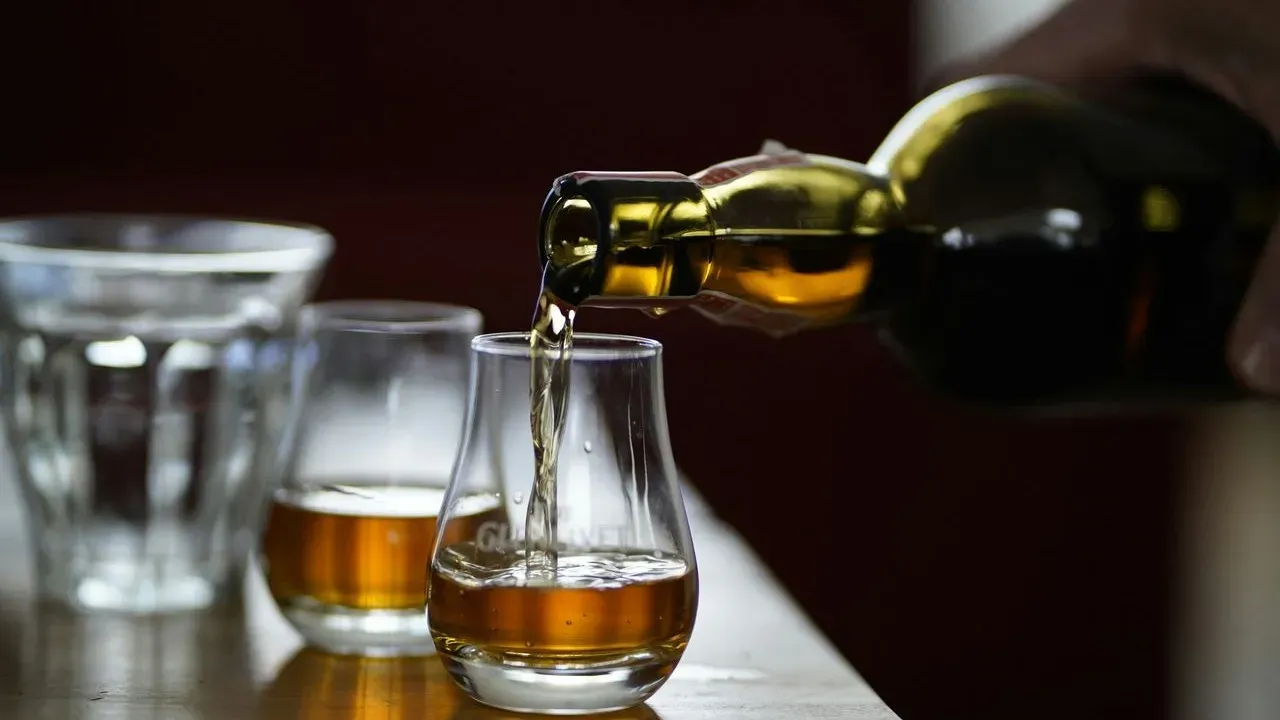

The United Kingdom has granted protected status to English whisky, a move that formally recognizes the growing number of distilleries south of the border. This decision highlights how place and production methods now carry legal weight in the spirits sector. Scotch producers have expressed concern that the change could dilute the prestige long associated with their own protected designation. ([1])
Why Protected Status Matters for English Distillers
Protected status under U.K. rules ties a product to specific geographic and production standards. For English whisky makers, the designation confirms that their spirit meets defined criteria for ingredients, distillation, and aging. This recognition arrives as more farms and distilleries in England experiment with local barley and traditional methods.
The change gives producers a clearer way to market their output as distinctly English. It also opens doors for regional branding that emphasizes soil, climate, and farming practices unique to parts of England. Distillers see the step as validation after years of building capacity and reputation.
Scottish Concerns Over Prestige and Market Position
Scotch whisky has long held protected geographic indication status, which restricts the name to whisky made in Scotland under strict rules. Producers there worry that a parallel English designation could confuse consumers and erode the singular cachet Scotch has enjoyed worldwide.
The fear centers less on immediate sales loss and more on long-term perception. If English whisky gains equal legal footing, some Scotch advocates argue, the broader category of British whisky might lose the sharp regional distinctions that have driven premium pricing. Industry voices have noted the development without calling for reversal, focusing instead on maintaining Scotland’s established standards.
Practical Effects on Production and Trade
English distilleries now operate under a framework that requires adherence to the protected criteria. This includes sourcing and processing steps that tie the final product more closely to English agriculture. Compliance brings marketing advantages but also ongoing verification obligations.
For importers and retailers, the new status may simplify labeling and origin claims in certain markets. Trade groups expect gradual shifts in how both English and Scotch products are positioned on shelves and in promotional materials. The overall U.K. whisky sector continues to grow, with both regions contributing to exports and domestic interest.
Looking Ahead for Grain, Terroir, and Regional Identity
The development underscores how agricultural roots influence modern spirits. English producers increasingly highlight local barley varieties and farm-to-still connections, elements that protected status can help formalize. Scotland’s established model already demonstrates the commercial value of such ties.
Observers expect continued dialogue between the two regions as English output expands. The focus remains on quality standards and clear consumer information rather than direct competition. Over time, the protected designations may encourage further innovation in both places while preserving the distinct identities each region values.
AI Disclaimer: This article was created with the assistance of AI tools and reviewed by a human editor.