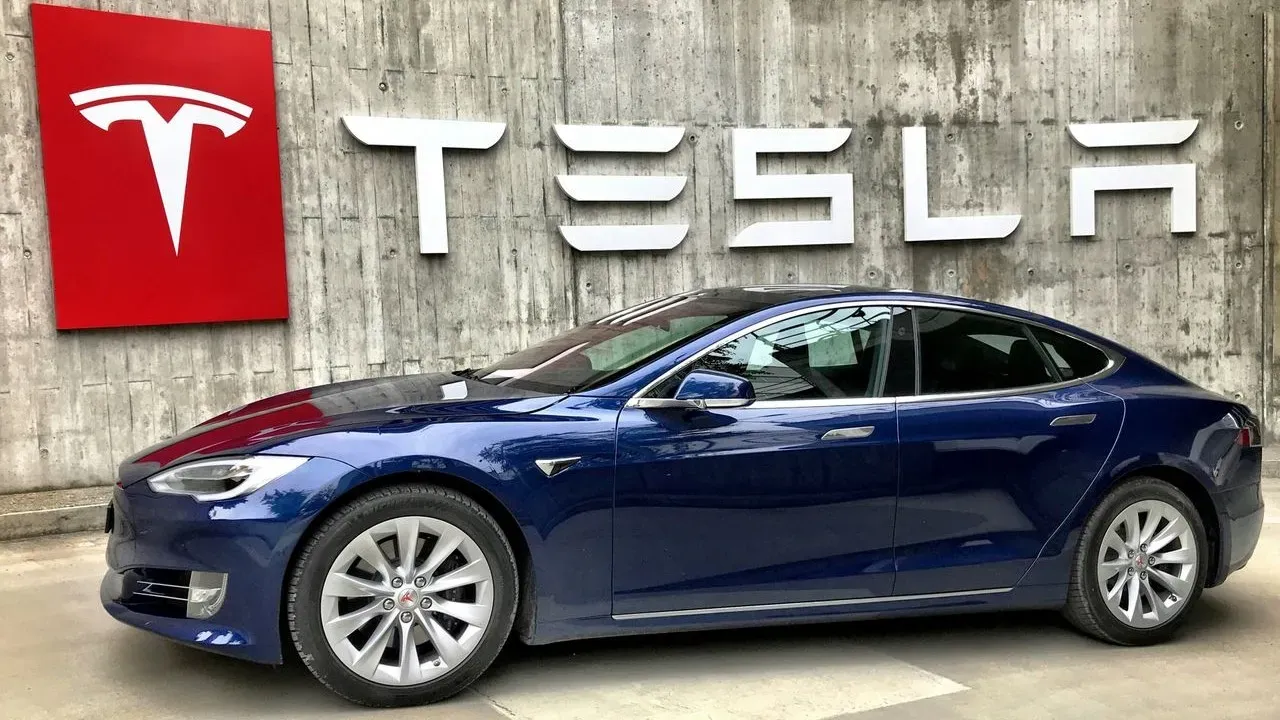

Elon Musk recently presented an updated version of the Tesla Roadster that he described as a “flying car” fitted with ultra high-pressure air tanks. The announcement came during a demonstration in Texas and highlighted a collaboration between Tesla and SpaceX. The vehicle remains years from any potential production, and its ability to operate beyond standard roads raises immediate questions about regulatory responsibility.
A Long-Delayed Concept Gains Attention
The Roadster Rocket, as Musk named it, builds on earlier promises for a high-performance electric vehicle. Production is now slated for 2028, roughly a decade later than originally projected. A standard version of the car can be reserved with a deposit, yet the model equipped with the full flight system is described as invitation-only and not cleared for public roads. The demonstration featured the car launching from a specially designed ramp that allowed it to appear to defy gravity briefly before landing on its wheels. Such visuals underscore the marketing appeal, though they also highlight the gap between staged displays and everyday operation.
Regulatory Lines Remain Unclear
The Department of Transportation has not identified a single agency with clear authority over a vehicle that might leave the ground. The National Highway Traffic Safety Administration normally handles motor vehicle safety standards and has stated that any manufacturer must still meet federal requirements regardless of unusual capabilities. Officials there indicated they will continue monitoring developments. The Federal Aviation Administration, by contrast, reviewed the concept and concluded that the Tesla vehicle does not qualify as an aircraft under its definitions. This leaves open the possibility that neither traditional automotive nor aviation rules fully apply, at least in their current form.
Practical Challenges for Stakeholders
Automakers and regulators alike face the task of determining how safety certification would work if the vehicle ever moved beyond controlled demonstrations. Local traffic laws would still apply to any ground operations, yet questions about vertical movement or airspace use introduce new variables. Tesla has not publicly detailed which agencies it is consulting on these matters. Buyers interested in the non-flying version face a more conventional path, while the rocket-equipped model stays limited in scope. The timeline to 2028 provides room for further technical and policy work, though skepticism from some transportation officials suggests significant hurdles remain before any broader rollout.
What Matters Now
The episode illustrates how innovative vehicle concepts can outpace existing regulatory frameworks. Clearer guidance from federal agencies could help shape development timelines and public expectations. For now, the Roadster Rocket serves mainly as a showcase of engineering ambition rather than an imminent addition to public roadways.
AI Disclaimer: This article was created with the assistance of AI tools and reviewed by a human editor.