

Winter can be a challenging time for gardeners, especially when the cold weather confines your green friends indoors. But don’t let the frost dampen your gardening spirit! Growing edible plants indoors during the winter months is not only possible but also incredibly rewarding. Imagine having fresh herbs, crisp greens, and even juicy fruits right at your fingertips, all while adding a touch of greenery to your home. As a passionate gardener, I’m thrilled to share some of my favorite edible indoor plants that thrive in the cozy winter environment.
Indoor gardening during winter offers a unique opportunity to maintain a year-round supply of fresh produce, regardless of the weather outside. Whether you’re a seasoned gardener or just starting out, these edible plants are perfect for brightening up your indoor space and providing delicious, homegrown ingredients for your kitchen. From hardy herbs to vibrant vegetables, let’s explore a variety of edible indoor plants that will keep your winter garden flourishing and your pantry stocked with fresh, nutritious goodies!
Cherry Tomatoes
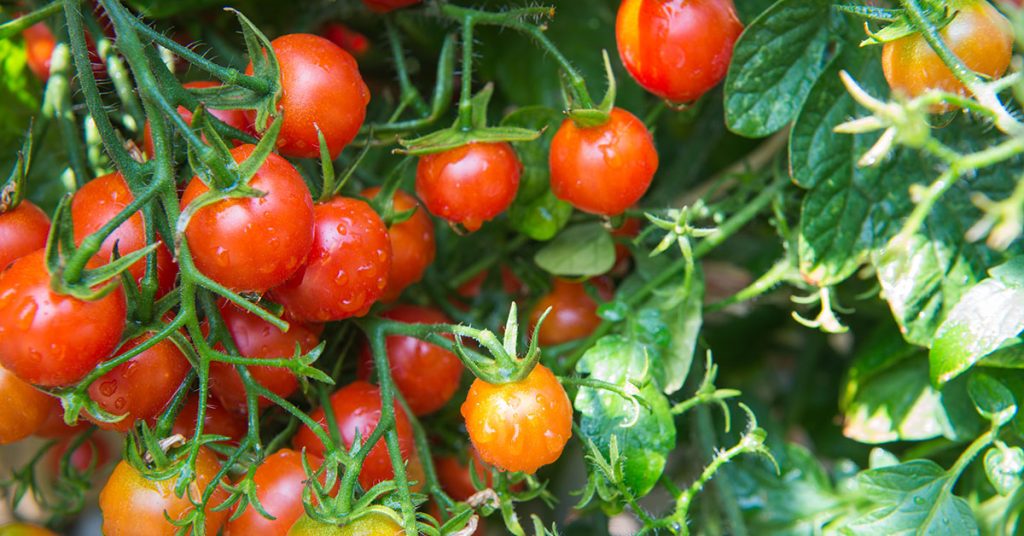
One of the standout edible plants for indoor winter gardening is the cherry tomato! These vibrant, juicy fruits are not only delicious but also add a burst of color to your indoor garden. Cherry tomatoes thrive in containers with ample sunlight, making them perfect for sunny windowsills. Native to South America, cherry tomatoes are a variety of the larger tomato species and are generally not considered invasive, making them an excellent choice for indoor cultivation. Their compact size and prolific fruit production make them ideal for indoor settings where space might be limited.
Growing cherry tomatoes indoors requires a bit of attention to their needs, but the rewards are well worth the effort! Ensure they receive at least six hours of direct sunlight daily, or consider using grow lights to supplement their light requirements. These plants also benefit from regular watering and well-draining soil to prevent root rot. One of the joys of cultivating cherry tomatoes is watching them bloom and set fruit, transforming your indoor space into a mini greenhouse. Plus, having fresh tomatoes at your fingertips is incredibly satisfying, especially when you can harvest them for salads, snacks, or homemade sauces during the winter months!
Basil
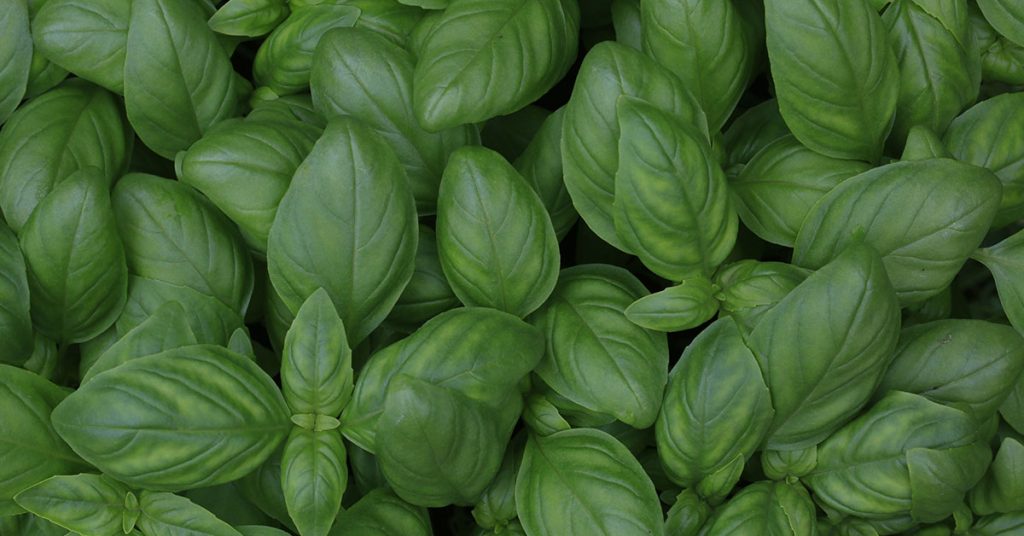
Basil is a must-have herb for any indoor winter garden, beloved for its aromatic leaves and versatility in the kitchen. Originating from tropical regions of Asia and Africa, basil thrives in warm, sunny environments, making it perfect for indoor cultivation where you can control the temperature and light exposure. Basil is not considered invasive, so you can enjoy its lush foliage without worrying about it taking over your indoor space. Its rapid growth and prolific leaf production make it an excellent choice for gardeners looking to add fresh herbs to their culinary repertoire.
Caring for basil indoors is relatively straightforward, but there are a few key points to ensure it flourishes during the winter. Provide your basil plant with at least six hours of direct sunlight each day, or use a grow light to supplement its light needs. Regular watering is essential, but be careful to avoid overwatering, as basil prefers well-draining soil. Pruning your basil regularly encourages bushier growth and prevents it from becoming leggy. The sweet, peppery flavor of basil leaves is perfect for enhancing a variety of dishes, from pesto and pasta to sandwiches and salads, making it a delightful addition to your winter indoor garden!
Spinach
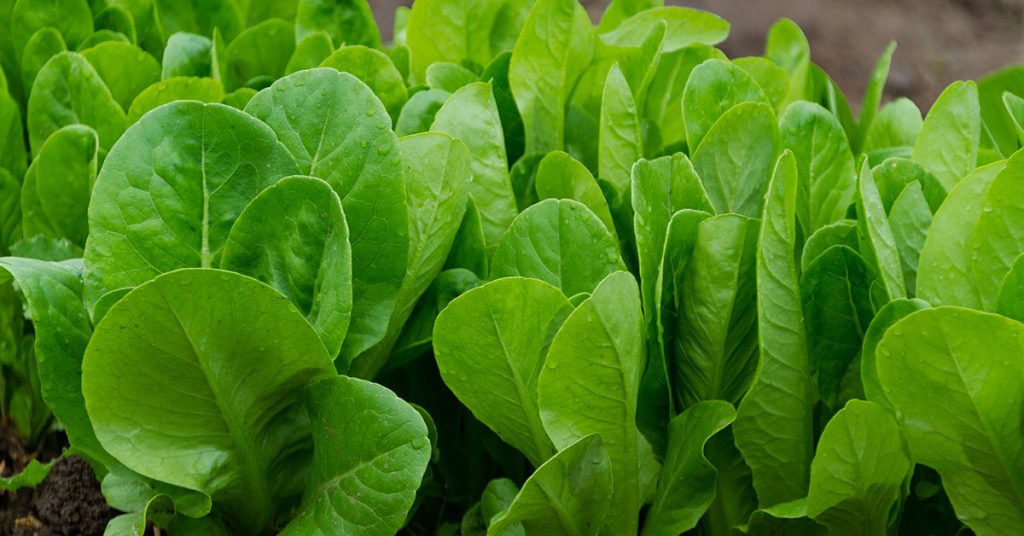
Spinach is another fantastic edible plant to grow indoors during the winter, offering a steady supply of nutrient-rich greens even when outdoor gardening is off the table. Native to Persia (modern-day Iran and surrounding regions), spinach is a hardy leafy green that adapts well to indoor environments. It’s not considered invasive, allowing you to enjoy its lush leaves without concerns of it spreading uncontrollably. Spinach thrives in cooler temperatures, making it perfectly suited for the indoor winter climate where you can maintain a consistent, moderate environment.
Growing spinach indoors requires a few simple steps to ensure a bountiful harvest. Place your spinach containers in a location that receives bright, indirect light, or use grow lights to provide the necessary illumination. Spinach prefers well-draining, fertile soil, so using a high-quality potting mix is essential. Regular watering is important to keep the soil consistently moist but not waterlogged. Harvesting is easy—simply snip off the outer leaves as needed, allowing the plant to continue producing new growth. Fresh spinach is a versatile ingredient, perfect for salads, smoothies, and a variety of cooked dishes, making it a valuable addition to your winter indoor garden!
Green Onions

Green onions, also known as scallions, are an excellent choice for indoor winter gardening, offering both aesthetic appeal and culinary usefulness. Native to Central Asia, green onions are non-invasive and well-suited for container gardening, making them perfect for indoor environments. These versatile plants are easy to grow and maintain, requiring minimal space and resources while providing a continuous supply of fresh, flavorful greens. Their slender stems and vibrant green leaves add a touch of elegance to your indoor garden, while their mild onion flavor enhances a wide range of dishes.
Cultivating green onions indoors is a breeze, even for beginner gardeners. They thrive in bright, indirect light, so placing them near a sunny window or under grow lights is ideal. Green onions prefer well-draining soil and consistent moisture, so regular watering is essential to keep the soil evenly moist without becoming soggy. One of the best aspects of growing green onions is their ability to regrow after harvesting. Simply snip the green tops and allow the bulbs to continue producing new shoots, providing you with a never-ending supply of fresh onions throughout the winter. Whether you’re adding a subtle kick to soups and salads or garnishing your favorite dishes, green onions are a practical and delightful addition to your indoor garden!
Microgreens
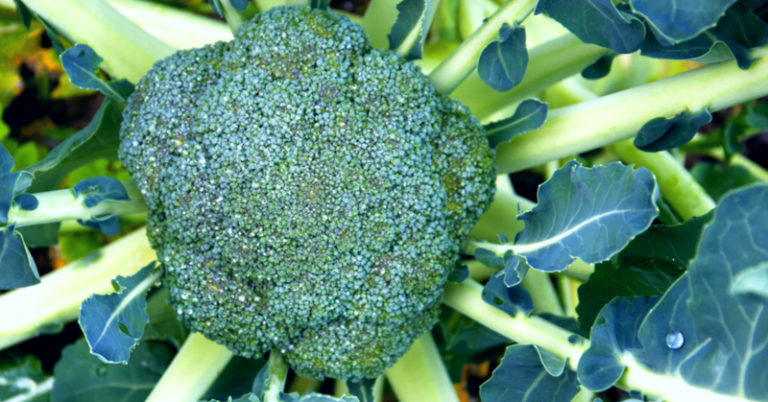
Microgreens are a trendy and highly nutritious option for indoor winter gardening, perfect for adding vibrant flavors and colors to your meals. These young seedlings are harvested just after the first true leaves develop, making them quick and easy to grow indoors. Originating from various regions around the world, microgreens encompass a wide range of plant varieties, including radish, broccoli, and sunflower, none of which are considered invasive. Their compact growth and rapid harvesting cycle make them ideal for indoor cultivation, providing a continuous supply of fresh greens with minimal space and resources.
Growing microgreens indoors is both fun and rewarding, especially during the winter months when outdoor gardening is limited. Start by choosing a shallow container with good drainage and fill it with a high-quality, sterile potting mix to prevent mold and pests. Sow your seeds evenly and cover them lightly with soil, then keep the tray in a bright area with plenty of indirect sunlight or use a grow light to ensure they receive adequate light. Keep the soil consistently moist but not waterlogged, and watch as your microgreens sprout within days. Harvesting is simple—use scissors to snip the greens just above the soil line when they reach about 2-3 inches in height. Fresh microgreens are packed with vitamins, minerals, and antioxidants, making them a nutritious and delicious addition to salads, sandwiches, and garnishes during the winter season!
Ginger
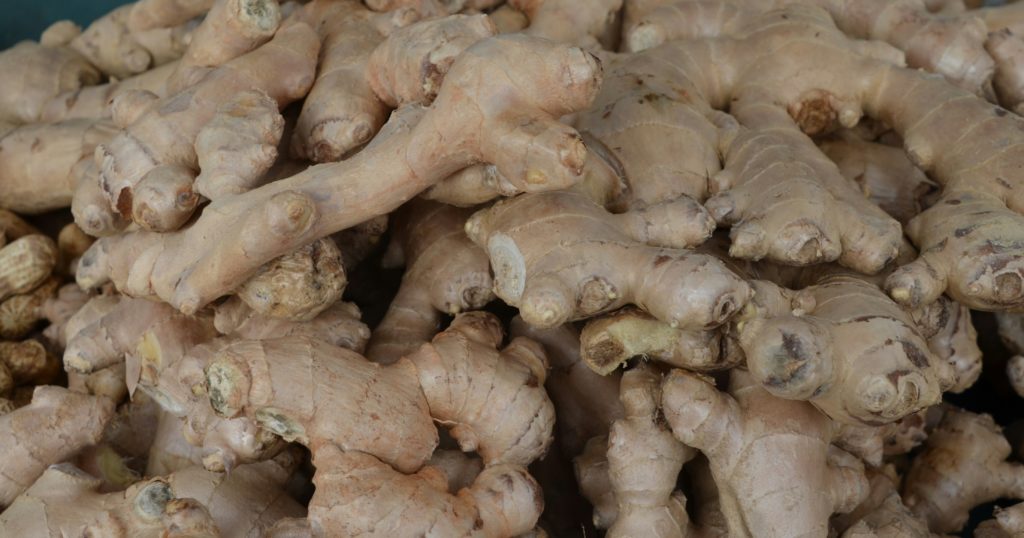
Ginger is a unique and rewarding edible plant to grow indoors during the winter, prized for its flavorful roots and numerous health benefits. Native to Southeast Asia, ginger thrives in warm, humid environments, making indoor cultivation ideal during the colder months. It is not considered invasive, allowing you to enjoy its aromatic and spicy roots without concerns of it spreading beyond your indoor garden. Ginger plants add a tropical touch to your home with their lush, green foliage and can be a fascinating project for gardeners interested in growing their own spices.
Cultivating ginger indoors requires a bit more attention to its specific needs, but the results are well worth the effort! Start by planting a fresh ginger root in a wide, shallow pot with rich, well-draining soil. Ginger prefers indirect sunlight, so place it in a bright spot that doesn’t receive direct afternoon sun. Maintaining high humidity is crucial, so consider using a humidity tray or a room humidifier to create a favorable environment. Water your ginger regularly to keep the soil consistently moist, but avoid waterlogging, which can lead to root rot. Patience is key, as ginger takes several months to mature, but the reward of harvesting your own fresh ginger root for teas, cooking, and medicinal uses is incredibly satisfying. Adding ginger to your winter indoor garden not only enhances your culinary creations but also brings a touch of warmth and exotic flair to your home!
Swiss Chard
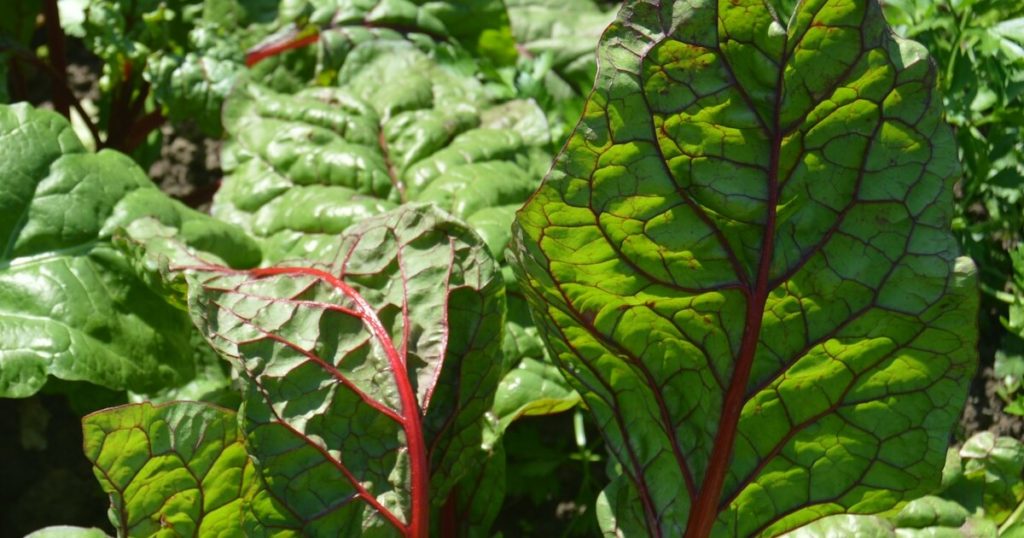
Swiss chard is a fantastic edible plant to grow indoors during the winter, known for its vibrant stems and nutrient-packed leaves. Native to the Mediterranean region, Swiss chard is a hardy leafy green that adapts well to indoor environments, making it a reliable choice for winter gardening. It is not considered invasive, allowing you to enjoy its colorful appearance and delicious flavor without worrying about it spreading uncontrollably. Swiss chard is highly versatile, adding both aesthetic appeal and culinary value to your indoor garden with its stunning array of colors and robust growth.
Growing Swiss chard indoors is relatively straightforward, provided you meet its basic needs for light, water, and soil. Place your Swiss chard containers in a location that receives plenty of bright, indirect sunlight, or use grow lights to ensure adequate light exposure. Swiss chard thrives in well-draining, fertile soil, so using a high-quality potting mix is essential for healthy growth. Regular watering is important to keep the soil consistently moist, especially during the dry winter months. Harvesting is easy—simply snip the outer leaves as needed, allowing the plant to continue producing new growth from the center. The tender, slightly sweet leaves of Swiss chard are perfect for salads, sautés, and smoothies, making it a delightful and practical addition to your winter indoor garden!
Conclusion
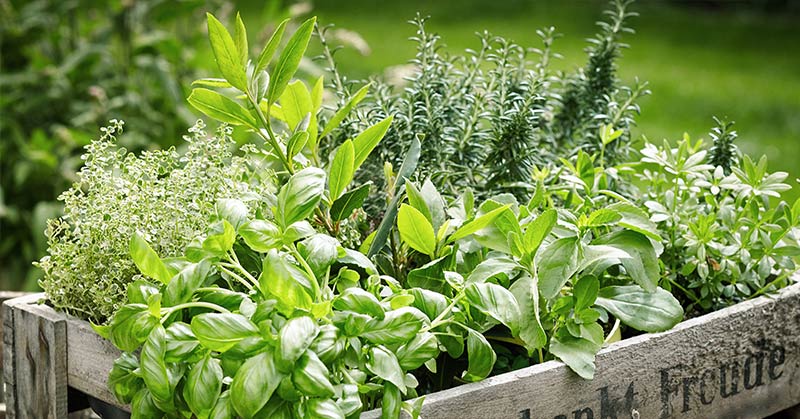
Growing edible indoor plants during the winter is a fantastic way to keep your gardening passion alive and enjoy fresh, homegrown produce all year round. From the sweet, juicy cherry tomatoes to the versatile and nutritious microgreens, there’s a wide variety of plants that can thrive in your indoor space, even when the temperatures drop outside. By selecting the right plants and providing them with the appropriate care, you can create a vibrant and productive indoor garden that not only enhances your home’s ambiance but also enriches your culinary endeavors.