
Edible landscaping is a fantastic way to combine the beauty of ornamental plants with the practicality of growing your own food. By choosing shrubs that are both attractive and produce delicious fruits or leaves, you can create a garden that is not only visually appealing but also highly functional. As a gardener, incorporating edible shrubs into your landscape can provide you with fresh, homegrown produce while enhancing the aesthetic of your outdoor space.
In this article, we’ll explore several shrubs that are perfect for edible landscaping. These plants offer beautiful foliage, flowers, and fruits, making them ideal for adding both beauty and utility to your garden. Let’s dive into these wonderful shrubs and see how they can transform your landscape!
Blueberry Bush
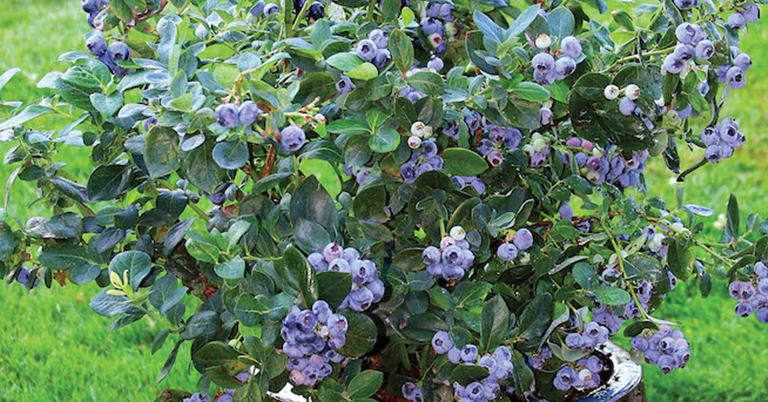
Blueberry Bush (Vaccinium corymbosum) is a versatile shrub that provides delicious berries and stunning fall color. Native to North America, this plant typically grows 6-12 feet tall and wide. The glossy green leaves turn brilliant shades of red and orange in the fall, adding a burst of color to the garden. Blueberries are packed with antioxidants and vitamins, making them a healthy addition to your diet.
Blueberry bushes thrive in full sun and well-drained, acidic soil. They require regular watering and benefit from a mulch layer to retain soil moisture. These shrubs are perfect for edible landscapes, mixed borders, or as specimen plants. The combination of tasty fruit and vibrant fall foliage makes the blueberry bush a favorite among gardeners looking to add both beauty and productivity to their gardens.
Serviceberry

Serviceberry (Amelanchier alnifolia), also known as Juneberry, is a beautiful and productive shrub native to North America. This plant typically grows 6-20 feet tall, making it suitable for various garden sizes. Serviceberry produces clusters of white flowers in the spring, followed by small, sweet berries that ripen in early summer. The berries can be eaten fresh or used in jams, jellies, and baked goods.
Serviceberry thrives in full sun to partial shade and prefers well-drained soil. It is relatively low-maintenance and can be used as a specimen plant, in mixed borders, or as part of a wildlife garden. The attractive flowers, edible berries, and vibrant fall foliage make serviceberry a valuable addition to any edible landscape.
Elderberry
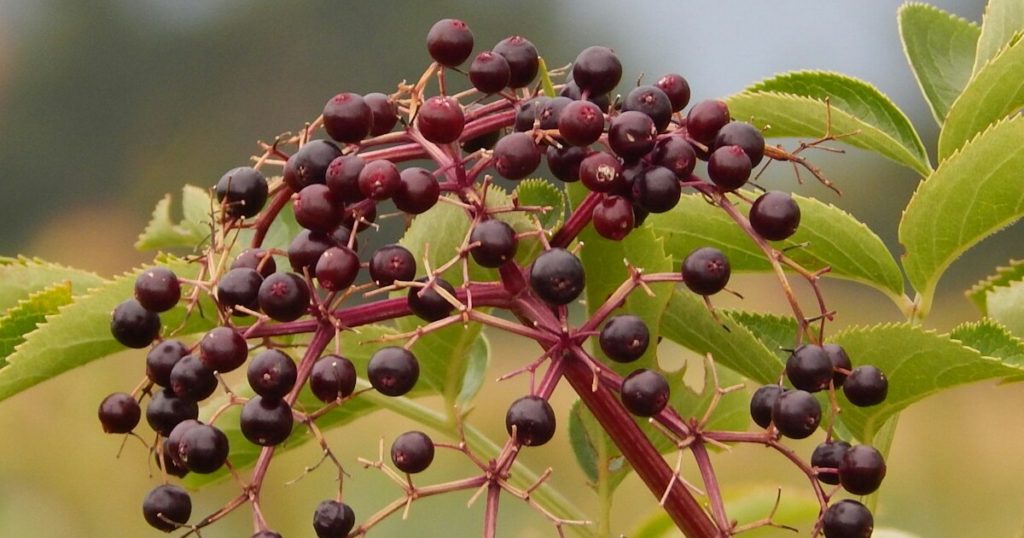
Elderberry (Sambucus nigra) is a hardy shrub that produces clusters of small, dark purple berries known for their medicinal properties. Native to Europe, elderberries are rich in antioxidants and vitamins, making them popular for making syrups, teas, and wines. The shrub typically grows 6-12 feet tall and wide, with white, fragrant flowers that bloom in late spring to early summer.
Elderberry thrives in full sun to partial shade and well-drained, moist soil. It is relatively low-maintenance and can tolerate a range of soil conditions. This shrub is perfect for edible landscapes, hedges, or wildlife gardens. The combination of medicinal berries, attractive flowers, and easy care makes elderberry a fantastic choice for gardeners looking to incorporate functional beauty into their landscape.
Gooseberry
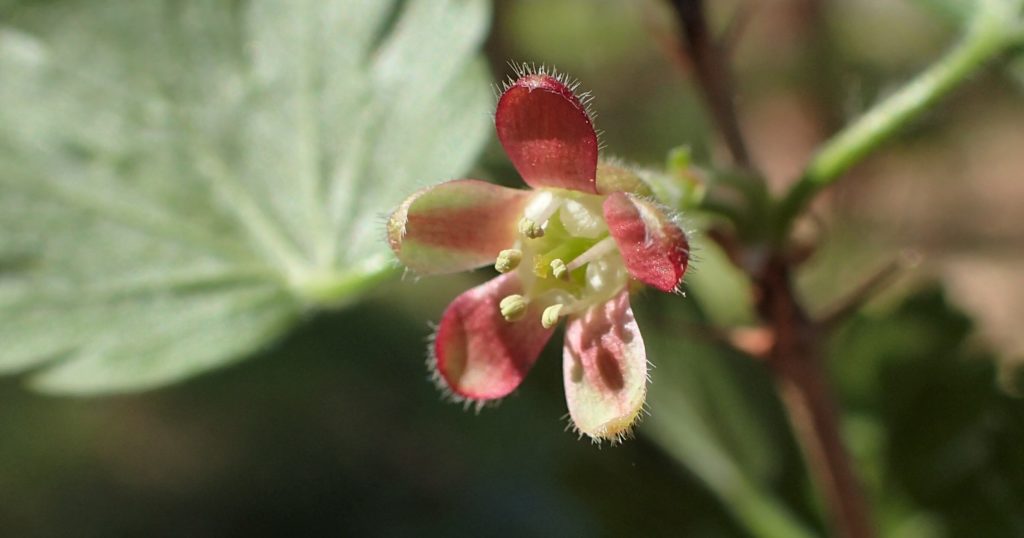
Gooseberry (Ribes uva-crispa) is a compact shrub that produces tart, flavorful berries perfect for making jams, jellies, and desserts. Native to Europe, gooseberries typically grow 3-5 feet tall and wide, making them suitable for small gardens and containers. The shrub has attractive green leaves and produces clusters of small, white or pink flowers in the spring.
Gooseberry plants thrive in full sun to partial shade and prefer well-drained soil. They are relatively easy to care for and can tolerate a range of soil types. This shrub is perfect for edible landscapes, mixed borders, or as a container plant. The combination of delicious berries and manageable size makes gooseberry an excellent choice for gardeners looking to add edible beauty to their gardens.
Currant
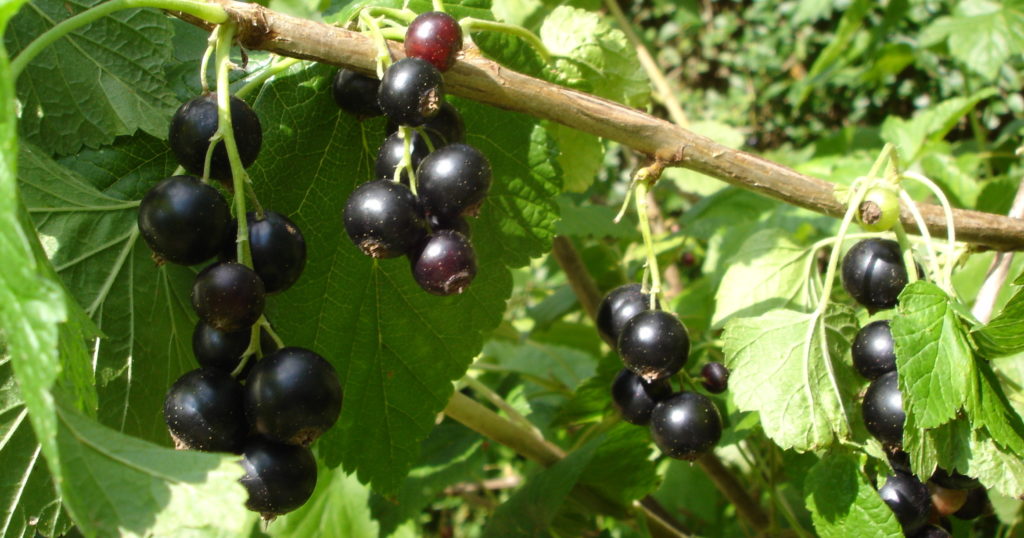
Currant (Ribes spp.) is a versatile shrub that produces clusters of small, flavorful berries in red, black, or white varieties. Native to Europe and Asia, currants are rich in vitamins and antioxidants, making them perfect for fresh eating, jams, jellies, and baking. The shrubs typically grow 3-5 feet tall and wide, with attractive green leaves and clusters of small, fragrant flowers in the spring.
Currants thrive in full sun to partial shade and prefer well-drained, rich soil. They are relatively low-maintenance and can tolerate a variety of soil conditions. This shrub is perfect for edible landscapes, mixed borders, or as a container plant. The combination of tasty berries and ornamental appeal makes currant an excellent choice for gardeners looking to blend beauty and functionality.
Hazelnut

Hazelnut (Corylus avellana) is a robust shrub that produces delicious nuts known for their rich flavor and nutritional value. Native to Europe and western Asia, hazelnuts typically grow 10-20 feet tall and wide, with attractive, rounded leaves that turn yellow in the fall. The nuts ripen in late summer to early fall and can be used in baking, cooking, or eaten fresh.
Hazelnut shrubs thrive in full sun to partial shade and well-drained soil. They are relatively low-maintenance and can tolerate a range of soil conditions. This shrub is perfect for edible landscapes, mixed borders, or as a hedgerow plant. The combination of tasty nuts and ornamental value makes hazelnut a fantastic addition to any garden looking to incorporate edible elements.
Nanking Cherry
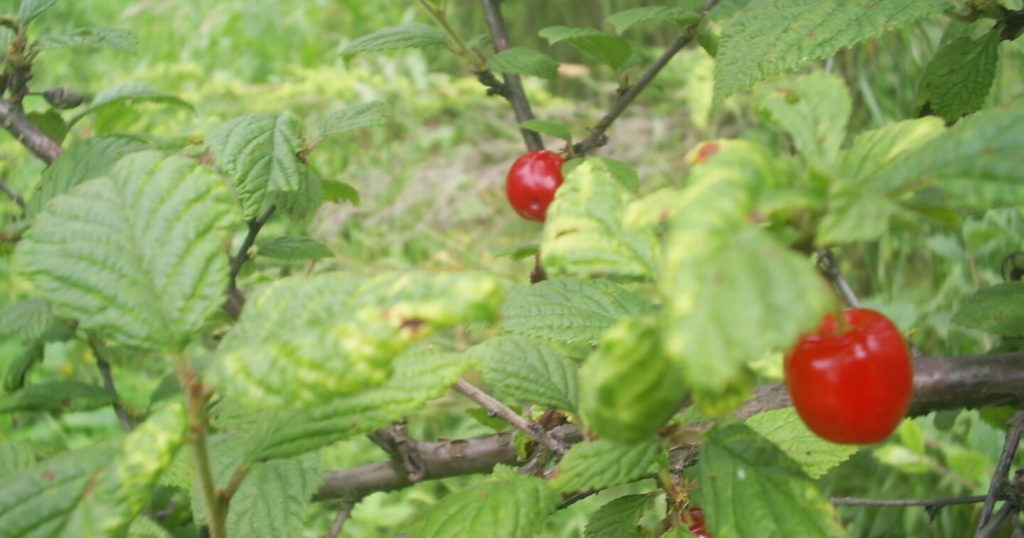
Nanking Cherry (Prunus tomentosa) is a hardy shrub that produces small, sweet-tart cherries perfect for fresh eating, preserves, and baking. Native to Asia, this shrub typically grows 6-10 feet tall and wide, with attractive pink or white flowers that bloom in early spring. The cherries ripen in early summer and are loved by both humans and wildlife.
Nanking Cherry thrives in full sun and well-drained soil. It is relatively drought-tolerant and low-maintenance once established. This shrub is perfect for edible landscapes, mixed borders, or as a specimen plant. The combination of beautiful flowers and delicious fruit makes Nanking Cherry an excellent choice for gardeners looking to enhance their landscapes with edible beauty.
Highbush Cranberry

Highbush Cranberry (Viburnum trilobum) is a versatile shrub that produces clusters of bright red berries in the fall, which can be used for making jams, jellies, and sauces. Native to North America, this shrub typically grows 8-12 feet tall and wide, with attractive, lobed leaves that turn shades of red and orange in the fall. The white, lacecap flowers bloom in late spring, adding ornamental value.
Highbush Cranberry thrives in full sun to partial shade and well-drained, moist soil. It is relatively low-maintenance and can tolerate a range of soil conditions. This shrub is perfect for edible landscapes, mixed borders, or as a hedgerow plant. The combination of edible berries and seasonal interest makes Highbush Cranberry a valuable addition to any garden.
Autumn Olive

Autumn Olive (Elaeagnus umbellata) is a hardy shrub that produces small, sweet-tart berries high in lycopene and antioxidants. Native to Asia, this shrub typically grows 10-15 feet tall and wide, with silvery green leaves and clusters of small, fragrant flowers in the spring. The berries ripen in late summer to fall and can be eaten fresh or used in preserves.
Autumn Olive thrives in full sun and well-drained soil. It is drought-tolerant and relatively low-maintenance, making it an easy addition to many gardens. However, it’s important to note that in some areas, Autumn Olive is considered invasive due to its vigorous growth and ability to spread. Always check local regulations before planting. This shrub is perfect for edible landscapes and wildlife gardens, providing both food and ecological benefits.
Aronia Berry

Aronia Berry (Aronia melanocarpa), also known as Black Chokeberry, is a hardy shrub that produces clusters of small, dark berries rich in antioxidants. Native to North America, this shrub typically grows 3-8 feet tall and wide, with glossy green leaves that turn vibrant shades of red and purple in the fall. The white flowers bloom in late spring, adding ornamental value.
Aronia Berry thrives in full sun to partial shade and well-drained soil. It is relatively low-maintenance and can tolerate a variety of soil conditions. This shrub is perfect for edible landscapes, mixed borders, or as a specimen plant. The combination of nutritious berries and seasonal interest makes Aronia Berry a fantastic choice for gardeners looking to add edible beauty to their landscapes.