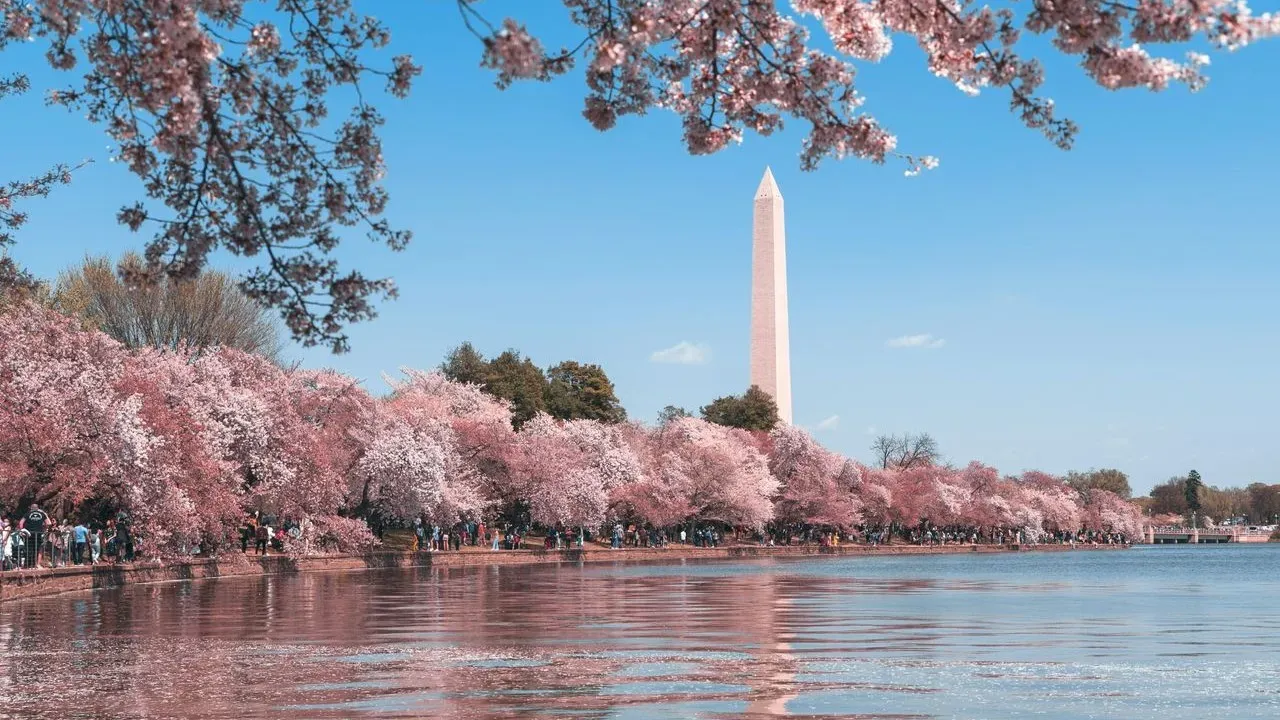

Washington – East Potomac Park has long served as an accessible green space in the nation’s capital, where cyclists, golfers and families share paths with views of the Washington Monument. The park’s golf links, in particular, have drawn a wide mix of residents for more than a century because of their location and modest fees. President Donald Trump’s interest in elevating the facility to host major tournaments has now placed that longstanding character under scrutiny.
A Park Built for Everyday Use
Congress established East Potomac Park through legislation in 1897, explicitly setting it aside for the recreation and pleasure of the people. The golf course itself opened in 1919 and has operated continuously as a public amenity. Over the decades it has remained one of the more affordable options in the region, attracting retirees, working professionals and newcomers alike. The setting combines convenience with history. A road circling the park allows safe cycling within city limits, while the three golf courses sit steps from downtown. On recent weekdays the parking lot held both luxury vehicles and older economy cars, underscoring the site’s broad appeal. Residents describe the park as a rare place where cost and location keep golf approachable for people from many backgrounds.
Administration Plans for a Championship Venue
Trump has discussed upgrades to the city’s public courses since late 2025. In June he posted that the completed course would be capable of hosting the U.S. Open, Ryder Cup, PGA Championship and other top events. An image released in May by Interior Secretary Doug Burgum depicted an 18-hole layout described as championship quality yet offered at discounted rates. Work was originally slated to begin September 1, though no construction activity was visible in recent days. The administration has already removed dozens of trees, which officials characterize as routine maintenance. Debris from the demolished East Wing of the White House was placed at the park earlier, forming a mound that the National Park Service confirmed contained lead, chromium and other metals.
Residents Voice Concerns Over Access
Many longtime users worry that higher fees and a more exclusive atmosphere would follow the redesign. Joe Foley, a retired lobbyist in his seventies, recently paid $36 for nine holes with a cart and said the changes would deprive people of an inexpensive, centrally located option. He noted that the region already offers numerous championship courses and questioned whether popular bike paths might also be affected. Cyclist Jason Levitt, who has ridden at the park for twenty years, said the perimeter road provides a safe alternative to city traffic. He expressed hope that any alterations would benefit a broad range of users rather than cater to one type of golfer. Other visitors on a recent weekday included workers on lunch breaks and a mix of men and women of varying ages and backgrounds who cited the park’s history and convenience as reasons for returning.
Legal Pushback and Political Context
A lawsuit filed against the redevelopment argues that the project would violate the 1897 congressional act that created the park for public use. The government has questioned the plaintiffs’ standing to sue. At a recent court hearing, U.S. District Judge Ana Reyes acknowledged plaintiffs’ concerns about changes occurring before full approval, though she noted no evidence of such action in this specific case. Washington’s local affairs remain subject to significant congressional oversight under the Home Rule Act of 1973. Outgoing Mayor Muriel Bowser has said the city could benefit from world-class golf while still preserving public access. Ryan Bates, a weekly golfer at the course for three and a half years, emphasized that the most important aspect of the facility is its role in keeping the game open to people from all walks of life.
What matters now: The outcome will determine whether East Potomac Park retains its identity as an affordable public space or shifts toward a more exclusive venue, with potential effects on fees, tree cover and surrounding recreational paths. ([1])
The tension at East Potomac Park reflects wider questions about how federal priorities shape local green spaces in the capital. As planning continues, residents and officials alike are watching to see whether the redesign can balance championship ambitions with the park’s original public purpose.
AI Disclaimer: This article was created with the assistance of AI tools and reviewed by a human editor.