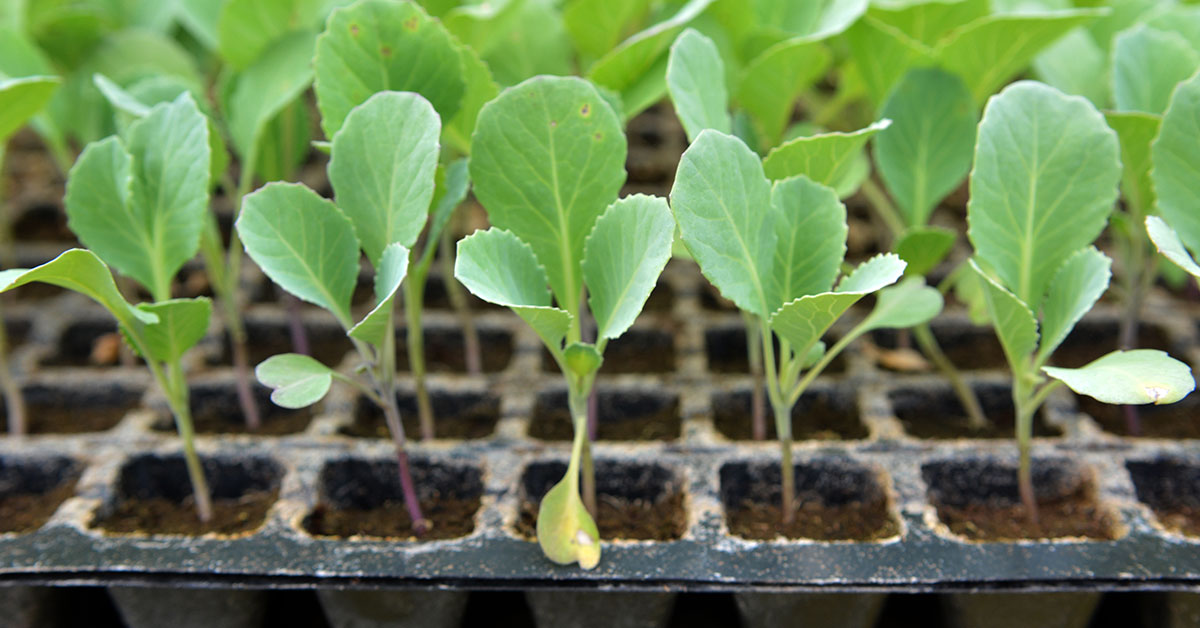

Early Jersey Wakefield cabbage is an old-fashioned heirloom variety. It is a favorite among many gardeners for its compact size, early maturity, and delicious taste.
Whether you’re looking to grow it for personal consumption or to add a touch of nostalgia to your garden, we will explore everything you need to know about this wonderful vegetable. From its history and characteristics to planting and caring tips, by the end of this article, you’ll be well-equipped to successfully grow your own Early Jersey Wakefield cabbage and enjoy the satisfaction of harvesting your own homegrown produce. So, let’s get started and embark on this gardening journey together!
What is an Early Jersey Wakefield Cabbage?
The Early Jersey Wakefield cabbage is a popular heirloom variety of cabbage that is known for its early maturity and unique pointed shape. It has been cultivated for over a century and continues to be a favorite among gardeners and cabbage enthusiasts. The cabbage head of the Early Jersey Wakefield is medium-sized, typically weighing around 2 to 3 pounds (0.9 to 1.4 kg).
Its distinct conical shape starts narrow at the base and tapers to a point at the top. The leaves are thick, crisp, and have a deep green color. One of the key characteristics of this cabbage is its early maturity. It is ready for harvest in approximately 60 to 75 days from transplanting, making it an excellent choice for gardeners who want to enjoy fresh cabbage early in the growing season.
This variety is known for its ability to withstand cooler temperatures, allowing it to be planted as soon as the soil can be worked in early spring. The Early Jersey Wakefield cabbage is highly versatile and can be used in various culinary applications. Its sweet, tender leaves make it ideal for coleslaw, stir-fries, soups, or even as a side dish when steamed or sautéed. The flavor is mild and slightly sweet, making it a great addition to salads or recipes that require a milder cabbage taste.
When growing Early Jersey Wakefield cabbage, it is important to provide it with fertile, well-draining soil. It thrives in full sun but can tolerate partial shade. Adequate moisture is crucial for optimal growth, so regular watering is necessary, especially during dry periods. It is also advisable to provide some form of protection from pests, such as netting or row covers, as cabbage plants are susceptible to damage from insects. Overall, the Early Jersey Wakefield cabbage is a delightful variety to grow in your garden. Its early maturity, unique shape, and versatile culinary uses make it a rewarding choice for both beginner and experienced gardeners alike.
What does Early Jersey Wakefield Cabbage taste like?
The Early Jersey Wakefield Cabbage is known for its excellent flavor. It has a crisp and sweet taste, with a slight hint of peppery undertones. When cooked, it retains its crunchiness and develops a buttery and mildly sweet flavor. The leaves are tender and have a delicate texture, making it a versatile cabbage that can be enjoyed in various culinary preparations. Whether you sauté it, stir-fry it, or use it in salads, the Early Jersey Wakefield cabbage adds a refreshing and satisfying taste to your dishes.
How to start from seed
Here’s a step-by-step guide on starting Early Jersey Wakefield Cabbage:
- Choose the right time: Early Jersey Wakefield Cabbage is a cool-season crop, so it’s best to start the seeds indoors about 6-8 weeks before the last frost date in your area. This will give the plants enough time to grow before transplanting them outside.
- Gather your supplies: You’ll need seeds, seed starting mix, seed trays or pots, a spray bottle, and a grow light or a sunny windowsill.
- Prepare the seed trays: Fill the trays or pots with a good quality seed starting mix. Moisten the mix with water until it’s evenly damp but not soaking wet.
- Sow the seeds: Make small holes in the seed starting mix, about ¼ inch deep, using your finger or a pencil. Place one or two seeds in each hole and cover them lightly with the mix. Space the holes about 2-3 inches apart.
- Water the seeds: Use a spray bottle to mist the soil gently, ensuring that the seeds are evenly moist. Avoid overwatering, as it can lead to rotting.
- Provide the right conditions: Cabbage seeds require consistent moisture and warmth to germinate. Place a plastic dome or cover over the seed trays to create a mini greenhouse effect. Keep the trays in a warm location, ideally around 70-75°F (21-24°C).
- Monitor and care for the seedlings: Check the seed trays daily for moisture. Mist the soil if it feels dry to the touch. Once the seeds germinate and the seedlings emerge, remove the cover and place them under a grow light or in a sunny windowsill.
- Thin the seedlings: Once the seedlings develop their first true leaves, thin them by removing the weaker ones, leaving only the strongest seedling in each hole. This will give the remaining plants enough space to grow.
- Harden off the seedlings: About a week before transplanting the seedlings outdoors, gradually expose them to outdoor conditions. Start by placing them outside for a few hours in a sheltered spot, gradually increasing the time and exposure to sun and wind over the week.
- Transplanting: When the soil has warmed up and there’s no risk of frost, transplant the seedlings into well-prepared garden beds or containers. Space them about 12-18 inches apart, giving them enough room to grow.
- Water and care: Keep the soil consistently moist, watering the plants regularly. Cabbage plants prefer full sun but can tolerate some shade. Mulching around the plants will help retain moisture and suppress weed growth.
- Harvest: Early Jersey Wakefield Cabbage typically matures in about 60-70 days. Harvest the heads when they reach a solid, compact form, cutting them at the base with a sharp knife.
That’s it! Following these steps should help you successfully start and grow Early Jersey Wakefield Cabbage in your garden. Happy gardening!
Planting and growing Early Jersey Wakefield Cabbage
Planting and growing an Early Jersey Wakefield cabbage can be quite a rewarding experience. Here are the steps to successfully grow this variety:
- Choose the right time: Early Jersey Wakefield cabbage is a cool-season crop, so it’s best to plant it in early spring or late summer to avoid extreme temperatures.
- Prepare the soil: Cabbage thrives in well-drained, fertile soil. Before planting, work the soil by removing any weeds, rocks, or debris. Incorporate organic matter, such as compost, to improve soil fertility and drainage.
- Start seeds indoors (optional): If you want an early start, you can start the seeds indoors about 6-8 weeks before the last frost date in your area. Sow the seeds in seed trays or containers filled with seed starting mix. Keep the soil moist and provide adequate light until the seedlings are ready for transplanting.
- Transplanting seedlings: Once the seedlings are about 4-6 weeks old and have developed a few true leaves, they can be transplanted into the garden. Space the plants about 12-18 inches apart to allow enough room for growth.
- Planting directly in the garden: If you prefer, you can also directly sow the seeds in the garden. Plant the seeds about ¼ to ½ inch deep, spacing them according to the recommendations on the seed packet. Thin the seedlings to the desired spacing once they emerge.
- Watering: Cabbage plants need consistent moisture to grow well. Water them regularly, providing about 1 inch of water per week. Avoid overwatering, as it can lead to disease issues.
- Fertilizing: Cabbage plants are heavy feeders. Before planting, incorporate a balanced organic fertilizer into the soil. Additionally, you can side-dress the plants with compost or a nitrogen-rich fertilizer a few weeks after planting.
- Mulching: Apply a layer of organic mulch, such as straw or shredded leaves, around the plants to conserve moisture, suppress weeds, and maintain more consistent soil temperatures.
- Pest and disease management: Cabbage can be susceptible to certain pests and diseases, such as cabbage worms, aphids, and clubroot. Monitor your plants regularly and take appropriate measures. Such as handpicking pests or using organic pest control methods, to manage any issues that arise.
- Harvesting: Early Jersey Wakefield cabbage matures in approximately 60-75 days. Harvest the heads when they reach their desired size and are firm. Cut the heads off at the base and remove any outer leaves. If you notice any signs of bolting (premature flowering), harvest the cabbage immediately.
Following these steps should help you successfully plant and grow Early Jersey Wakefield cabbage in your garden. Happy gardening!
When to harvest
The best time to harvest an Early Jersey Wakefield cabbage is typically when the heads feel firm and solid to the touch. This variety is known for its early maturity, so it’s important to monitor its growth closely. Generally, you can start checking for harvest readiness around 60-70 days after transplanting. However, it’s always recommended to refer to the specific seed packet or variety information for more accurate timing. Additionally, keep in mind that cabbage heads can crack if left in the ground for too long. It’s better to harvest a bit earlier rather than later, especially if you notice the heads becoming very firm.