
The Earliglow Strawberry, known for its juicy and sweet flavor, is a beloved fruit among gardeners and strawberry enthusiasts. With its early ripening time and excellent productivity, it comes as no surprise that this strawberry variety is highly sought after for home gardens.
Whether you are a seasoned gardener or just starting out, this article will guide you through the process of growing Earliglow Strawberries, from selecting the right location to nurturing the plants for a bountiful harvest.
What is an Earliglow Strawberry?
Earliglow strawberry, also known as Fragaria x ananassa ‘Earliglow’, is a popular and highly sought-after variety of strawberries. It is known for its exceptional taste, early ripening, and disease resistance. This strawberry cultivar is often considered the gold standard for early-season strawberries and is a favorite among gardeners and strawberry enthusiasts alike.
The Earliglow strawberry plant belongs to the Rosaceae family and is a hybrid of two different strawberry species. Its berries are medium-sized, typically measuring around one to one and a half inches in diameter. They have a vibrant red color, a glossy texture, and a sweet, juicy flavor that is often described as being exceptionally delicious.
One of the most remarkable qualities of the Earliglow strawberry is its early ripening period. It is one of the first strawberry varieties to produce fruit, typically starting in late spring or early summer, depending on the climate. This early harvest allows strawberry lovers to enjoy the fruits of their labor sooner and extends the strawberry season.
Another advantage of growing Earliglow strawberries is their resistance to various diseases, including common strawberry ailments such as leaf spot and powdery mildew. This disease resistance makes them a relatively low-maintenance option for gardeners, as they require less effort and intervention to keep them healthy.
Earliglow strawberries are versatile and can be enjoyed in various ways. Whether eaten fresh, used in desserts, or added to salads and smoothies, their delightful taste and aroma are sure to please. They can also be frozen or preserved to enjoy their goodness throughout the year.
When it comes to cultivating Earliglow strawberries, they prefer well-draining soil with a slightly acidic pH level. They thrive in full sun but can tolerate partial shade. Regular watering and mulching are essential to keep the plants hydrated and prevent weed growth. These strawberries can be grown in containers or in the ground, making them suitable for both small gardens and larger-scale cultivation.
What does an Earliglow Strawberry taste like?
Earliglow Strawberry is known for its exceptional taste and flavor. It is highly regarded for its sweetness and juiciness, making it a favorite among strawberry enthusiasts. The flavor of Earliglow strawberries can be described as intensely sweet with a hint of tartness, providing a perfect balance that is simply irresistible.
The berries are known for their vibrant red color and glossy appearance, which is a clear indication of their ripeness and deliciousness. When you take a bite of an Earliglow strawberry, you will experience a burst of sweetness that fills your mouth, followed by a subtle tang that adds depth and complexity to the flavor.
One of the remarkable characteristics of Earliglow strawberries is their juiciness. As you bite into the fruit, you will be greeted with a burst of juices that are not only refreshing but also enhance the overall taste experience. The succulent texture of Earliglow strawberries combined with their sweet and tangy flavor makes them a delight to eat.
Whether you enjoy them fresh, incorporate them into desserts, or use them in various culinary creations, Earliglow strawberries will undoubtedly elevate your taste buds to new heights. Their exceptional flavor profile sets them apart from other strawberry varieties, making them a popular choice among fruit lovers.
How to start from seed
Starting Earliglow strawberries from seeds can be a rewarding and cost-effective way to grow this delicious fruit in your own garden. While it may take a little more time and patience compared to buying young plants, the process of starting strawberries from seed allows you to have full control over the growth and development of your plants.
- Choosing the Right Seeds:
To start growing Earliglow strawberries from seed, it is important to select high-quality seeds from a reputable source. Look for seeds that are specifically labeled as Earliglow strawberries to ensure you are getting the right variety. It is also a good idea to choose organic seeds whenever possible to avoid potential exposure to harmful chemicals. - Preparing the Soil:
Before sowing the strawberry seeds, make sure to prepare the soil properly. Earliglow strawberries prefer well-drained soil with a slightly acidic pH level of around 5.5 to 6.5. Remove any weeds and rocks from the area and loosen the soil to create a fine texture that allows for good water drainage. Adding organic matter, such as compost or well-rotted manure, can also help improve the soil’s fertility. - Sowing the Seeds:
Once the soil is prepared, it’s time to sow the strawberry seeds. Start by creating shallow furrows in the soil, about 1/8 inch deep. Space the furrows about 12 to 18 inches apart to provide enough room for the strawberry plants to grow. Gently sprinkle the seeds along the furrows, making sure to space them evenly. Cover the seeds with a thin layer of soil, gently firming it down. - Watering and Germination:
After sowing the seeds, water the area gently to ensure the soil is evenly moist. Be careful not to overwater, as excessive moisture can lead to rotting of the seeds. Place a clear plastic cover or a seed tray with a plastic dome over the seeded area to create a humid environment that promotes germination. Keep the soil consistently moist but not waterlogged, and provide good airflow to prevent the growth of mold or fungus. - Transplanting Seedlings:
As the seeds germinate, tiny strawberry seedlings will emerge. Once they have grown two to three sets of true leaves, they are ready to be transplanted into individual containers or into the garden. Carefully lift the seedlings from the soil, taking care not to damage the delicate roots. Plant them in a well-prepared bed or containers filled with rich, well-drained soil. Space the seedlings about 12 inches apart to allow for proper air circulation and growth.
How to grow this fruit in your garden
If you’re interested in growing your own Earliglow strawberries, this will guide you through the process. From selecting the right location to caring for your plants, we’ll cover everything you need to know about growing Earliglow strawberries successfully.
Choosing the Right Location:
Before you start growing Earliglow strawberries, it’s important to choose the right location for your plants. Here are a few factors to consider:
- Sunlight: Earliglow strawberries require at least 6 hours of direct sunlight daily. Choose a location in your garden that receives ample sunlight throughout the day.
- Soil Conditions: These strawberries prefer well-draining soil with a pH level between 5.5 and 6.8. If your soil is heavy or clay-like, consider amending it with organic matter such as compost or aged manure to improve drainage.
Planting Earliglow Strawberries:
Now that you have chosen the perfect location for your Earliglow strawberries, it’s time to plant them. Here’s how:
- Prepare the soil: Remove any weeds and loosen the soil in the planting area using a garden fork or tiller. Ensure that the soil is moist but not waterlogged.
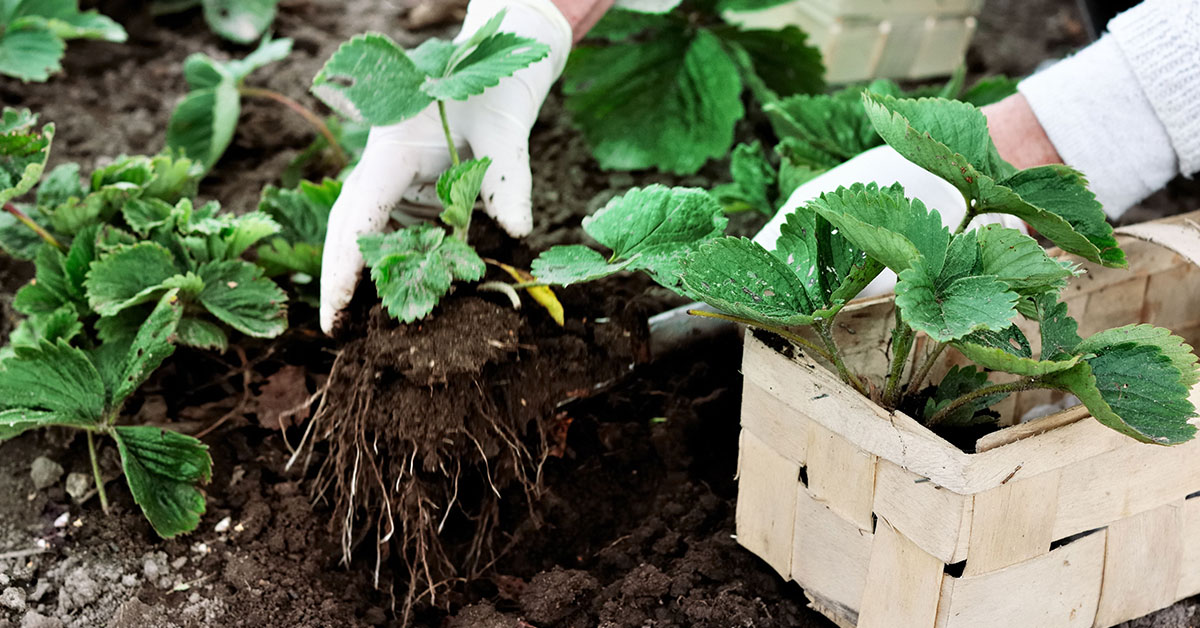
- Planting technique: Dig a hole wide and deep enough to accommodate the roots of the strawberry plant. Place the plant in the hole, making sure that the crown (where the leaves meet the roots) is level with the soil surface. Space the plants about 12-18 inches apart to allow for proper air circulation.
- Watering: After planting, water the strawberries thoroughly to settle the soil around the roots. Keep the soil consistently moist, but avoid overwatering, as it can lead to root rot.
Care and Maintenance:
To ensure healthy growth and a bountiful harvest, it’s important to provide proper care and maintenance for your Earliglow strawberries. Here are some essential tips:
- Watering: Regularly water your strawberries, especially during dry spells. Aim to keep the soil evenly moist, but be careful not to overwater, as it can lead to fungal diseases.
- Mulching: Apply a layer of organic mulch, such as straw or shredded leaves, around the plants to help retain moisture, suppress weeds, and prevent soil splashing onto the foliage.
- Fertilization: Feed your Earliglow strawberries with a balanced organic fertilizer once a month during the growing season. Follow the manufacturer’s instructions for application rates.
- Pest and Disease Control: Monitor your plants regularly for pests like slugs, snails, and aphids. Use organic pest control methods if necessary, and promptly remove any diseased or damaged leaves or fruits to prevent the spread of diseases.
Harvesting and Enjoying Your Earliglow Strawberries:
After patiently caring for your Earliglow strawberry plants, it’s time to enjoy the fruits of your labor. Here’s how to harvest and savor your delicious strawberries:
- Harvesting: When the strawberries have fully ripened, usually when they turn bright red, gently pluck them from the plants. Be careful not to damage the delicate fruits or the plants.
- Storage and Consumption: Enjoy your freshly picked strawberries immediately, or store them in the refrigerator for a few days. Rinse them just before eating to preserve their flavor and freshness.
Growing your own Earliglow strawberries can be a rewarding experience. With the right conditions and proper care, you’ll be able to enjoy a bountiful harvest of sweet and juicy strawberries right from your own garden.