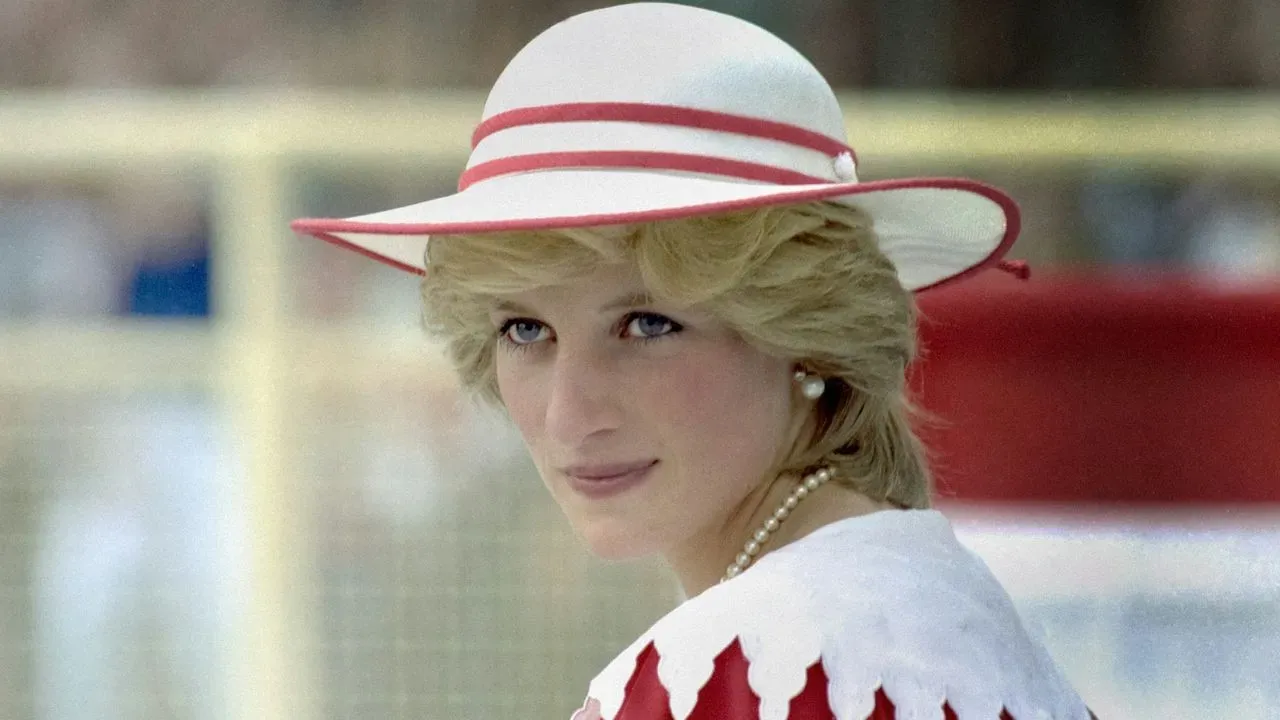

Princess Diana’s brother has described a phone call with then-Prince Charles in the hours after her death, saying the future king sounded “giddily elated.” The account appears in a new book by Earl Spencer and centers on the immediate aftermath of the 1997 Paris car crash that killed the princess. The revelation has drawn fresh attention to long-standing questions about the royal family’s private response to the tragedy.
A Striking Description Emerges
Earl Spencer writes that Charles conveyed an unexpected tone during their conversation shortly after Diana’s death. The earl, who was Diana’s younger brother, portrays the moment as one marked by an unusual sense of relief or excitement rather than grief. This detail stands out because it comes from a family member with direct access to the events and has not been widely reported in earlier accounts. The claim is presented as a firsthand recollection rather than speculation. Spencer’s book places the exchange in the context of the immediate hours following the crash, when news of Diana’s passing was still unfolding. Readers are left to weigh the description against the public image of a measured and reserved Prince of Wales at the time.
Context of the 1997 Tragedy
Diana died in the early hours of August 31, 1997, after the car in which she was traveling crashed in a Paris tunnel. The accident also claimed the lives of her companion, Dodi Fayed, and their driver. News of her death triggered an unprecedented outpouring of public grief across Britain and beyond. Charles, who had divorced Diana the previous year, faced intense scrutiny over how the royal family would respond. The period included debates about whether the Queen and other senior royals should return from Balmoral to London and how the funeral arrangements should reflect Diana’s status as a global figure. Spencer’s account adds a personal layer to those tense days.
Why the Account Matters Now
Books by close relatives often surface years later and reshape public understanding of private royal moments. Spencer’s version highlights a contrast between the somber national mood and the reaction he attributes to Charles. Such contrasts can influence ongoing discussions about the family’s emotional dynamics during crises. The timing of the book’s release keeps the story in the news cycle and invites comparison with earlier memoirs and biographies. Observers note that firsthand family perspectives carry particular weight even when they remain contested or unverified by other participants.
Looking Ahead
Claims like this one remind audiences that historical events continue to be reexamined through new lenses. The description of Charles sounding “elated” will likely prompt further commentary from royal watchers and historians. Whether the account alters broader perceptions of that period remains to be seen, yet it underscores how personal recollections can reopen chapters long considered closed.
AI Disclaimer: This article was created with the assistance of AI tools and reviewed by a human editor.