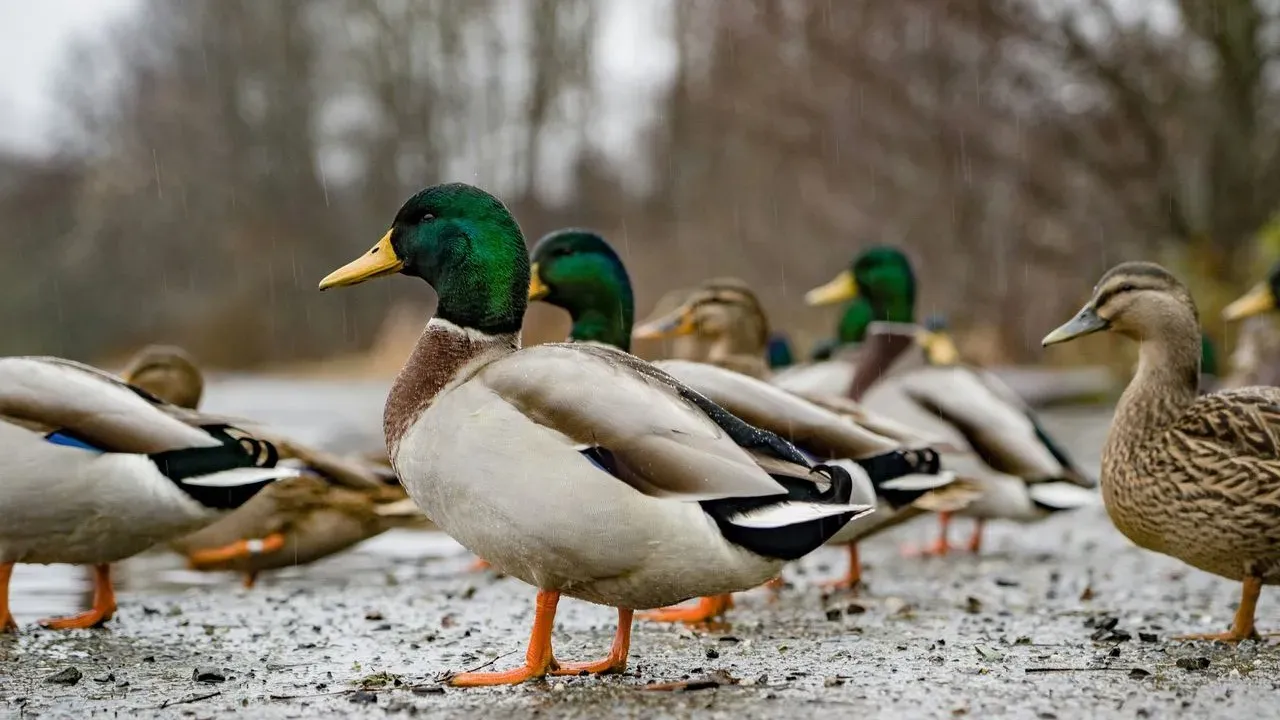

Raising ducks through the colder months presents real challenges for homestead and backyard keepers, particularly when water sources freeze overnight and mornings bring layers of ice. Many assume their flocks require extensive insulation or heated housing once temperatures drop, yet the birds themselves prove more resilient than that common worry suggests. The key lies in identifying the precise points where human intervention becomes necessary rather than assuming constant protection is required.
The Hardiness That Surprises New Keepers
Ducks have evolved with natural insulation through dense feathers and a layer of down that traps air close to the body. This adaptation allows them to remain active and healthy in conditions that would stress other poultry. Backyard owners frequently prepare for the worst as winter approaches, only to find their birds continue foraging and moving normally even as frost appears on the ground. The real adjustment comes from recognizing that ducks tolerate lower temperatures better than many expect. Still, their needs shift around access to liquid water and protection from prolonged wind or dampness that can compromise that natural insulation. Owners who focus on those specific factors rather than broad temperature fears tend to see healthier flocks through the season.
Water Management as the Primary Winter Concern
Frozen water bowls quickly become the most immediate obstacle once cold weather settles in. Ducks rely on regular access to water not only for drinking but also for maintaining feather condition through preening. When surfaces ice over repeatedly, birds can dehydrate or develop issues with their plumage that reduce their ability to stay warm. Practical solutions center on breaking ice several times a day or using low-wattage heaters designed for livestock. These steps address the actual limitation without requiring full enclosure of the flock. Many keepers report that consistent water access alone resolves most visible signs of stress during the first cold snaps.
Shelter and Wind Protection Without Overbuilding
A simple, draft-free structure often suffices where elaborate heated coops might seem tempting. The goal is to block prevailing winds while still allowing ventilation that prevents moisture buildup inside the shelter. Overly sealed spaces can create damp conditions that work against the ducks’ natural defenses. Straw bedding or similar dry material on the floor helps absorb moisture and provides a place for birds to rest off frozen ground. Owners who add these modest features early in the season usually find their flocks use the space selectively rather than staying confined around the clock.
Observing Flock Behavior for Timely Adjustments
Watching how the ducks respond to changing conditions offers the clearest guidance on when extra measures are warranted. Birds that continue to eat, move, and interact normally are generally managing well. Reduced activity or huddled groups signal that water access or wind protection needs review first. This observational approach keeps interventions targeted and avoids unnecessary expense or labor. As winter progresses, keepers who maintain this routine often discover their flocks require fewer changes than initial concerns suggested. The experience of guiding ducks through their first cold season tends to build confidence for future years. Focus on the practical bottlenecks of water and shelter rather than blanket assumptions about temperature leaves both birds and owners better prepared when the next winter arrives.
AI Disclaimer: This article was created with the assistance of AI tools and reviewed by a human editor.