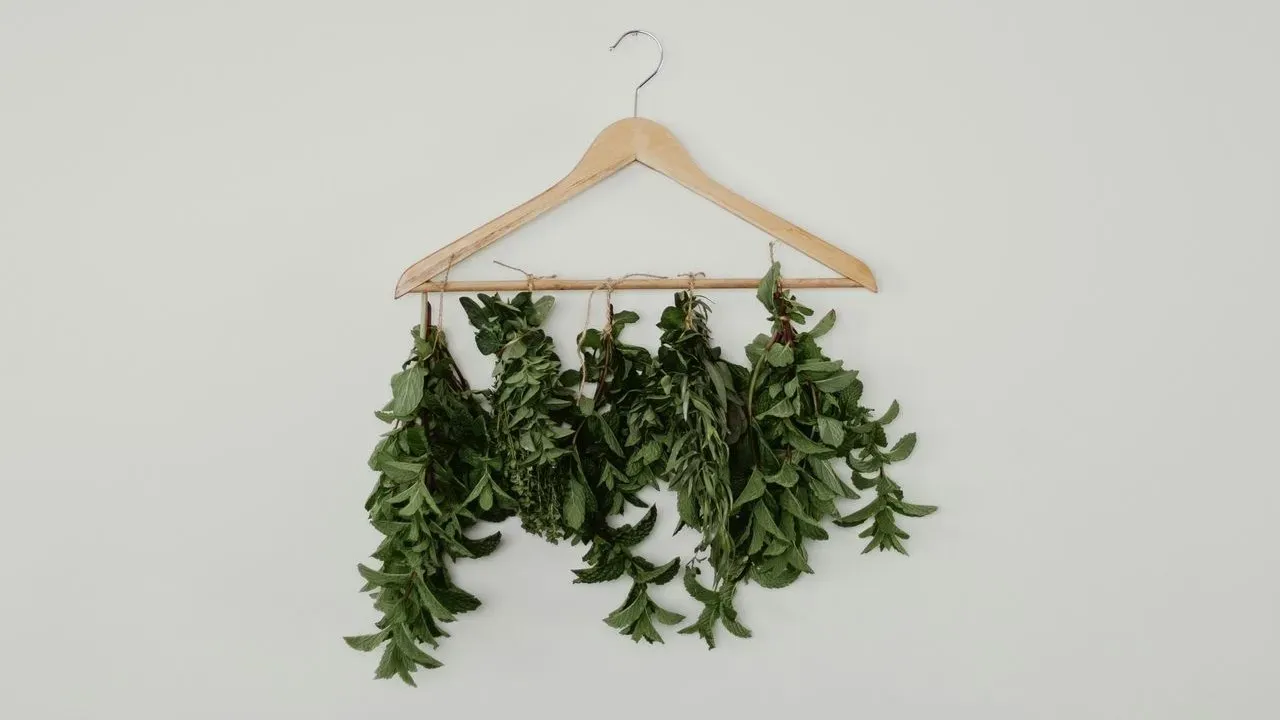

As the growing season ends, many gardeners are left with a final flush of oregano and a kitchen that will soon need it. A Homestead Gardener [1] article treats preservation as a natural part of the garden cycle, not an afterthought. The method itself is simple. What separates a jar of bright, fragrant leaves from a dusty, faded one is mostly a matter of timing, airflow and patience. ([1])
Picking the Right Moment
Timing starts in the garden. The best flavor is achieved when the herb is harvested just as flower buds form. Gardeners are generally advised to wait until the morning dew has evaporated before cutting, since wet foliage is harder to dry cleanly.
When cutting, cut back to just above a growth node or set of leaves. This will allow the plant to branch from the cut area and produce more flavorful leaves. That approach lets the plant keep producing while you preserve the harvest.
Clean stems matter as much as the cut. Rinse the stems lightly if there is dust or mulch on them. Shake off the excess moisture before drying oregano. Any water left on the leaves can slow drying and invite mold later.
Hanging Bundles the Traditional Way
Air drying remains the most popular choice for a small garden harvest, and it requires almost no equipment. Certified garden coach Sara Rubens describes it as “air drying is the most effective and low-effort method” for oregano, according to a Dengarden guide [2].
The basic steps are straightforward. Cut stems, bundle them loosely, and hang them upside down in a warm, dry, well-ventilated space out of direct sunlight. Several practical details help the process along:
- Keep bundles small. Gather your stems into bundles that are no thicker than your thumb, generally four to six stems maximum.
- Avoid damp rooms. Oregano should not be dried in a humid environment. If your kitchen tends to be hot and steamy, dry your oregano in a different room, out of direct sunlight.
- Protect the leaves from dust. When drying leafy herbs, place the bag over the herbs as a dust shield.
Patience is required with this method. These woody-stemmed herbs dry well within 1–2 weeks and retain excellent flavor.
Faster Options, and Where Sources Disagree
For gardeners who need results sooner, a dehydrator is the most common alternative. Set the temperature to the lowest setting, around 95°F. Once the oregano is washed and the stems have dried completely, arrange them in a single layer on the dehydrator tray. The oregano will usually be completely dry in one day, though some larger leaves may require a little more time.
The oven is less settled. One guide suggests placing oregano on a baking sheet at low heat (under 120°F if possible), while another advises that using an oven or direct sunlight to dry oregano leaves is never a good idea, as this results in uneven drying and can also bleach color out of the leaves. Cooks who try the oven should check the leaves often and be ready to stop early.
| Method | Typical time | Best suited for |
|---|---|---|
| Hanging bundles | One to two weeks | Low effort and no equipment |
| Food dehydrator | Often about one day | Faster results with consistent warmth |
| Oven on lowest setting | Roughly two to four hours | Quick drying, but needs close attention |
Knowing It Is Ready and Storing It Well
The test for dryness is simple. The leaves are dry when they crumble easily between your fingers. Once that happens, strip the leaves from the stem to store. Stems can be discarded, as they add little flavor to a jar.
Storage determines how long the herbs stay fragrant. Store dried herbs in a cool, dry, dark place away from sunlight, heat and moisture. Most dried herbs retain good quality for about a year when stored in airtight containers in a cool, dry, dark location. Labeling each jar with the herb and the date makes it easier to rotate the supply before the next season.
A small harvest, handled carefully, can carry a household well into the cold months. Dried oregano stored correctly will season soups, sauces and roasted vegetables long after the bed in the garden has gone quiet.
AI Disclaimer: This article was created with the assistance of AI tools and reviewed by a human editor.