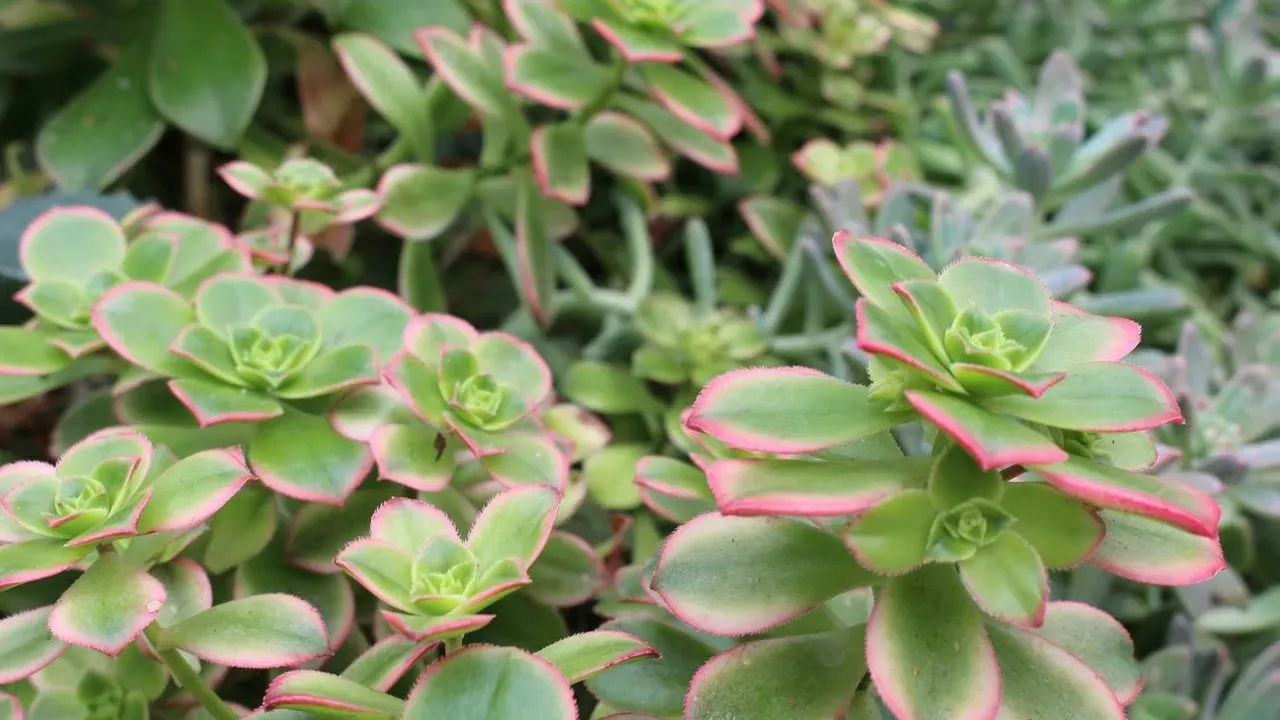

Erratic weather patterns such as El Niño are placing new stresses on gardens through cycles of prolonged summer heat and heavy winter rainfall. These swings test even established plantings and push many traditional choices beyond their limits. Gardeners seeking a resilient, low-maintenance garden now turn to drought-tolerant plants that handle both extremes without constant intervention.
Weather Patterns Shift Garden Realities
Extended dry spells followed by intense rain events create conditions that favor plants with built-in adaptations. Roots that store water efficiently and foliage that reduces moisture loss become practical advantages rather than optional traits. The result is fewer losses during heat waves and less damage when sudden downpours arrive. ([1])
These patterns do not require dramatic predictions to matter. Even modest increases in temperature and rainfall variability can shorten the useful life of less adaptable species. Selecting plants suited to the new range of conditions reduces the need for emergency watering or drainage fixes later.
Traits That Build Resilience
Drought-tolerant plants typically feature deep or fleshy root systems that capture and hold moisture during dry periods. Thick or waxy leaves further limit evaporation, while some species enter brief dormancy to conserve resources. These same features often help the plants manage excess water once cooler, wetter months return.
Hardiness to both heat and saturation sets these selections apart from many common ornamentals. Gardeners gain a buffer against the back-to-back stresses that have become more frequent. The plants maintain structure and color with minimal supplemental care once established.
Practical Steps for Integration
Begin by assessing current soil drainage and sun exposure to match plant needs. Group new additions with similar water requirements to simplify irrigation schedules. Amend planting areas with organic matter that improves both moisture retention in dry spells and runoff during heavy rain.
Space selections to allow air circulation, which reduces disease pressure after wet periods. Mulch surfaces to moderate soil temperature and slow evaporation. Monitor the first season closely, then taper care as roots develop and the plants demonstrate their tolerance.
Long-Term Gains in the Garden
A resilient, low-maintenance garden emerges when drought-tolerant plants replace higher-maintenance options. Water use drops, and the need for seasonal replacements declines. The overall design holds up better across the full year rather than requiring repeated interventions.
Over time, these choices support steadier growth and fewer gaps in the landscape. The garden maintains visual interest through shifting conditions without constant adjustment. Gardeners spend less time reacting to weather and more time enjoying the results.
AI Disclaimer: This article was created with the assistance of AI tools and reviewed by a human editor.