
Many visitors arrive in Florence for a few days, sip Chianti on a terrace, and leave convinced they must buy an old stone ruin in the countryside. A short stay, however, reveals almost nothing about daily life once the tour buses depart and the weather turns. Spending a full season among the hill towns provides the only reliable way to test whether that impulse holds up. The original account of this approach appears at ([1]).
The Limits of a Quick Escape
A long weekend in Florence rarely includes the damp that creeps into unheated basements by November or the mud that clings to unpaved roads after autumn rain. Those who return home with a purchase plan often overlook how quickly the landscape empties once summer ends. The quiet that follows can feel either restorative or isolating, depending on the person.
Local routines also shift with the seasons. Harvests demand early mornings and late evenings in September and October, while winter brings shorter days and limited services in smaller villages. Without experiencing these changes firsthand, buyers risk discovering too late that the postcard view does not match the year-round reality.
Three Distinct Landscapes, Three Different Rhythms
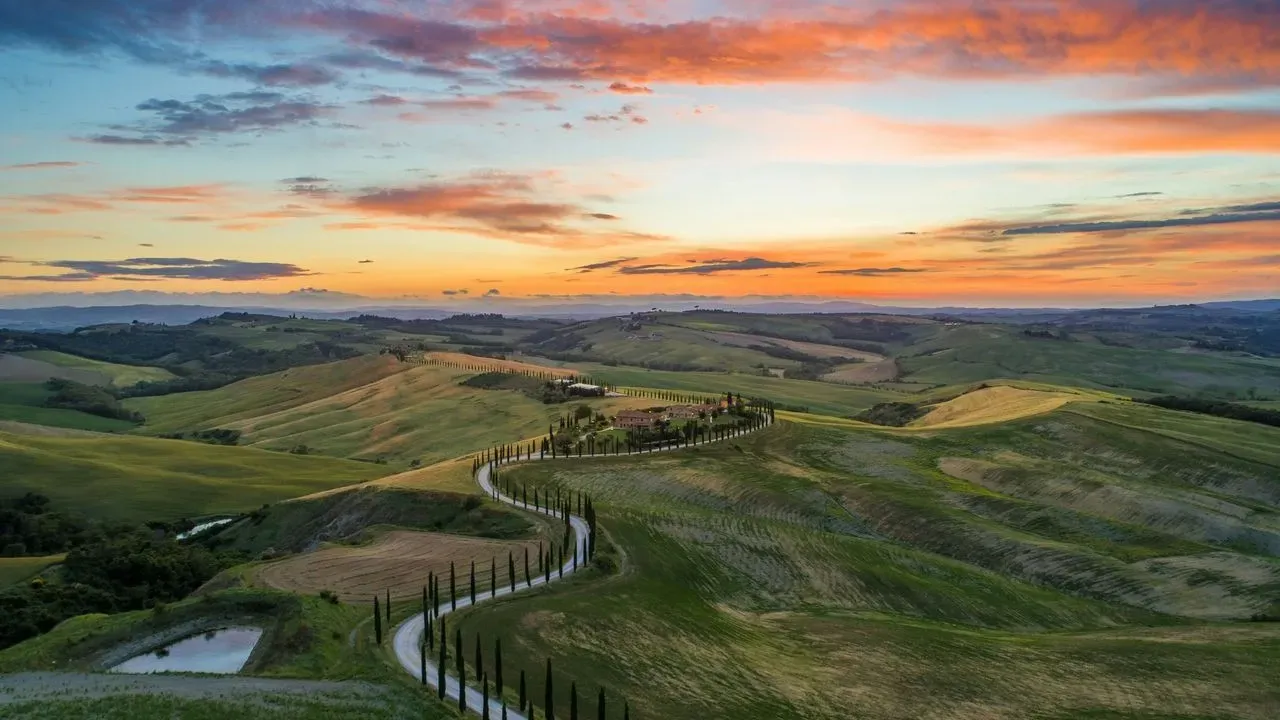
The Val d’Orcia south of Siena offers wide clay ridges and dramatic skies that attract photographers in every season. By late autumn the tour groups disappear, leaving the squares to residents and the occasional traveler. The same isolation that draws some people can feel stark when weeks pass without new faces or reliable public transport.
Chianti villages north of Siena operate on a tighter farm schedule. Vineyards and olive groves keep residents busy through the cooler months, yet Florence remains within an hour’s drive. Better roads and year-round clinics make this area more practical for those who want countryside views without complete separation from services.
The countryside around Lucca sits between the coast and the Apuan Alps. Weekly markets and tree-lined paths give daily life a steady rhythm, while the historic walls keep the center largely car-free. Proximity to Pisa Airport and beaches adds convenience that the more remote southern valleys lack.
What a Longer Rental Actually Reveals
Treating an extended stay as research means tracking details that brochures never mention. Heating performance in the first cold snap, the angle of winter sunlight on a terrace, and the condition of access roads after storms all matter more than initial impressions. Phone reception during heavy rain or the distance to the nearest pharmacy can determine whether a property remains livable once the novelty fades.
Neighbors who stay through January provide the clearest picture of community life. Conversations at the local bar often uncover practical information about plumbers, electricians, and seasonal road maintenance that no listing supplies. These small observations accumulate into a clearer sense of whether a house will suit its future owners.
Practical Questions That Only Surface After Time on the Ground
Once an area feels familiar, buyers can ask targeted questions with real context. The condition of the roof, heating system, and damp-proofing becomes easier to evaluate after living through the wettest months. Water sources, wastewater systems, and annual utility costs also come into sharper focus when the house has been occupied through changing weather.
Additional considerations include renovation restrictions on historic buildings, whether the access road is public or private, and the full range of purchase costs beyond the listed price. Working with a local real estate agent, independent lawyer, surveyor, and notary helps clarify rules that differ for non-residents. Experience from a full season turns these inquiries from abstract concerns into informed decisions.
The Reward of Measured Patience
Tuscany does not reward haste. The same hill town that feels magical in June can appear subdued under November fog, yet both versions belong to the same place. A season spent moving between the Val d’Orcia, Chianti, and the Lucca area allows prospective buyers to meet the landscape in its quieter months and decide whether the slower pace matches their expectations. Those who take the time return with clearer priorities and fewer surprises once keys change hands.
AI Disclaimer: This article was created with the assistance of AI tools and reviewed by a human editor.