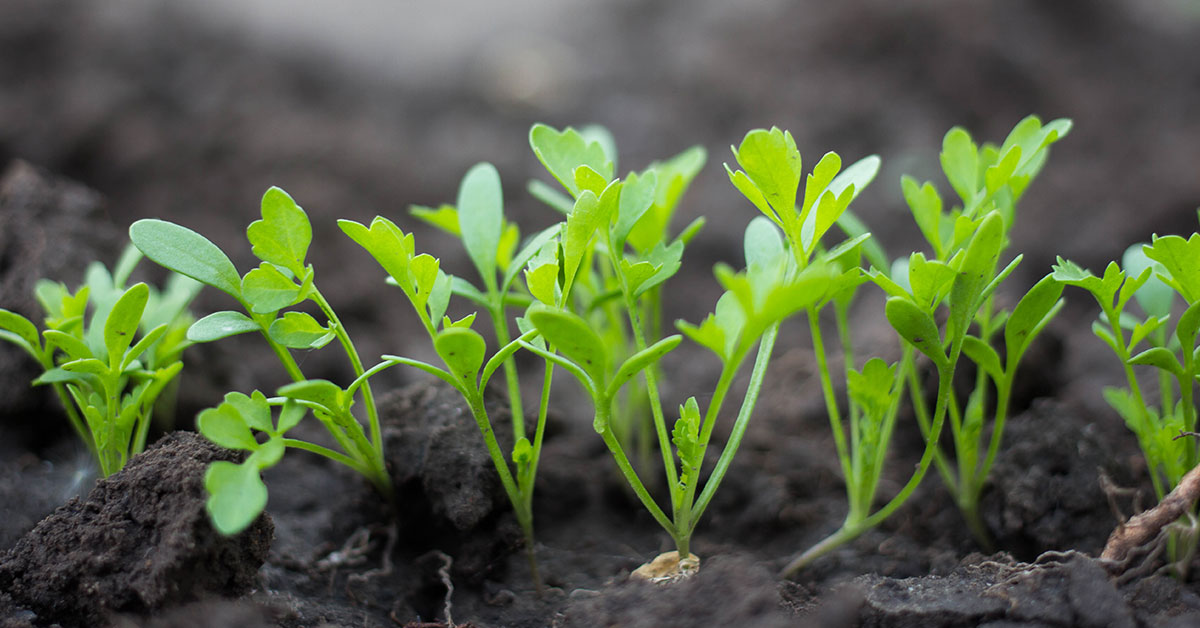

Dragon’s Tongue Arugula is a unique and exotic green. This vibrant and alluring leafy vegetable is sure to capture your attention. Dragon’s Tongue Arugula, also known as red-veined arugula, is a delightful addition to any garden or culinary repertoire. With its striking reddish-purple veins contrasting against the bright green leaves, this arugula variety not only adds visual appeal but also delivers a peppery and slightly spicy flavor.
In this article, we will explore the history, cultivation, and culinary uses of Dragon’s Tongue Arugula, as well as provide helpful tips for growing and incorporating this captivating green into your everyday meals. Whether you are a seasoned gardener or a beginner, get ready to embark on an exciting journey with this enchanting arugula variety.
What is a Dragon’s Tongue Arugula?
Dragon’s Tongue Arugula is a unique and visually striking variety of arugula. It is known for its vibrant, deep red and green leaves, which resemble the shape of a dragon’s tongue, hence the name. This variety is a member of the Brassicaceae family, which also includes broccoli, cabbage, and mustard. The leaves of Dragon’s Tongue Arugula are tender and have a slightly peppery flavor, similar to traditional arugula. However, this variety tends to be milder and less pungent, making it suitable for those who prefer a milder taste. Dragon’s Tongue Arugula is easy to grow and adaptable to various growing conditions.
It thrives in cool weather and can be grown both in containers and in garden beds. It is a fast-growing plant, usually reaching maturity within 25 to 30 days from sowing the seeds. This arugula variety is highly versatile in the kitchen. Its unique color and shape make it an excellent addition to salads, where it adds a pop of color and texture. The leaves can also be used as a garnish for various dishes or added to sandwiches and wraps for an extra layer of flavor. As a gardener, I would recommend planting Dragon’s Tongue Arugula in well-drained soil, ensuring it receives at least 4-6 hours of sunlight daily.
Regular watering and occasional fertilizing will help promote healthy growth. Harvesting can be done by picking the outer leaves once they reach a desirable size, allowing the inner leaves to continue growing. Overall, Dragon’s Tongue Arugula is a delightful and visually appealing addition to any garden or culinary experience, offering a milder flavor compared to traditional arugula while still maintaining its distinct peppery taste.
What does Dragon’s Tongue Arugula taste like?
Dragon’s Tongue Arugula has a unique and distinct taste that sets it apart from regular arugula varieties. Its flavor is a pleasant blend of peppery and nutty notes, with a slight hint of bitterness. The peppery taste is not overpowering but adds a zesty kick to the overall flavor profile. The nuttiness brings a subtle earthy undertone that enhances the arugula’s taste.
What makes Dragon’s Tongue Arugula truly special is its vibrant color. The leaves are a mix of dark green and deep maroon, adding visual appeal to any dish. The color also indicates the presence of anthocyanins, which are beneficial antioxidants.
When consumed, Dragon’s Tongue Arugula leaves provide a refreshing and crisp texture, making them perfect for salads or as a garnish on various culinary creations. The unique flavor combination and attractive appearance make Dragon’s Tongue Arugula a delightful addition to any meal, adding both taste and visual appeal to dishes.
How to start from seed
Starting Dragon’s Tongue arugula (Diplotaxis tenuifolia) is relatively easy and can be done by following these steps:
- Seed Selection: Choose high-quality Dragon’s Tongue arugula seeds from a reputable supplier. Fresh seeds will have a higher germination rate, so it’s a good idea to check the seed packet for the “packed for” or “use by” date.
- Timing: Determine the appropriate time to sow the seeds based on your local climate and the growing requirements of Dragon’s Tongue arugula. It is a cool-season crop that prefers temperatures between 50-70°F (10-21°C). In most regions, you can sow the seeds in early spring or late summer for a fall crop.
- Soil Preparation: Arugula grows best in well-draining, fertile soil. Prepare the planting area by removing any weeds, rocks, or debris. Amend the soil with organic matter like compost to improve its fertility and structure.
- Sowing the Seeds: Sow the seeds directly into the prepared soil. Make shallow rows or furrows about ¼ inch deep. Space the rows about 12-18 inches apart to allow for proper air circulation. Alternatively, you can also sprinkle the seeds evenly over the soil and gently press them down.
- Watering: After sowing the seeds, water the area thoroughly but gently to ensure the soil is evenly moist. Avoid overwatering, as it can lead to rotting or poor germination. Maintain consistent moisture in the soil until the seeds germinate.
- Germination: Seeds usually germinate within 7-14 days, depending on the temperature. During this period, ensure the soil remains consistently moist. Once the seedlings emerge, you can reduce the frequency of watering but make sure the plants receive about 1 inch of water per week.
- Thinning: As the seedlings grow, they will start to compete for space and nutrients. When they have developed their first true leaves, thin them out to provide enough room for each plant to grow properly. Space the arugula plants about 6-8 inches apart.
- Care and Maintenance: Arugula is a relatively low-maintenance crop. Keep the soil moist but not waterlogged, and weed the area regularly to prevent competition for nutrients. Applying a layer of organic mulch around the plants can help conserve moisture and suppress weed growth.
- Harvesting: Dragon’s Tongue arugula leaves can be harvested when they reach the desired size, usually around 4-6 weeks after sowing. Harvest the outer leaves by cutting them off near the base of the plant, leaving the inner leaves to continue growing. Regular harvests will encourage the plants to produce new leaves.
By following these steps, you should be able to successfully start and grow Dragon’s Tongue arugula in your garden. Enjoy the fresh and flavorful leaves in your salads, sandwiches, or as a garnish!
Planting and growing Dragon’s Tongue Arugula
Here are the steps for planting and growing Dragon’s Tongue Arugula:
- Choose the right time: Dragon’s Tongue Arugula is a cool-season crop, so it’s best to plant it in early spring or fall when temperatures are cooler.
- Find a suitable location: Select a spot in your garden that receives partial shade to full sun. The soil should be well-draining and rich in organic matter.
- Prepare the soil: Before planting, loosen the soil and remove any weeds or debris. Add compost or well-rotted manure to improve soil fertility.
- Sow the seeds: Sprinkle the seeds evenly across the prepared soil. The seeds are small, so you don’t need to bury them too deep. Lightly press them into the soil and cover with a thin layer of soil or compost.
- Watering: Keep the soil consistently moist throughout the germination period. Use a gentle spray or mist to avoid displacing the seeds.
- Thinning: Once the seedlings emerge and develop their first true leaves, thin them out to provide enough space for growth. Space the plants about 4-6 inches apart to allow proper air circulation.
- Fertilizing: Arugula doesn’t require heavy feeding. However, a balanced, organic fertilizer can be applied once or twice during the growing season to promote healthy growth.
- Mulching: Apply a layer of organic mulch, such as straw or shredded leaves, around the plants to conserve moisture, suppress weeds, and maintain even soil temperature.
- Harvesting: The leaves can be harvested when they reach the desired size, usually around 4-6 weeks after sowing. You can either harvest the outer leaves or cut the whole plant near the base. Regular harvesting promotes continuous growth.
- Pests and diseases: Keep an eye out for common pests like aphids, flea beetles, and caterpillars. Use organic pest control methods such as handpicking or applying neem oil if necessary. Proper spacing and good air circulation can help prevent diseases like downy mildew.
Remember to read the specific instructions on the seed packet or consult with a local gardening expert for any specific requirements or recommendations for your region. Enjoy growing your Dragon’s Tongue Arugula and adding its unique flavor to your dishes!
When to harvest
The best time to harvest Dragon’s Tongue Arugula is when the leaves are young and tender, typically around 30-40 days after sowing the seeds. You can start harvesting the outer leaves when they reach a length of about 4-6 inches. It’s important to harvest the leaves before they become too mature, as they can become bitter and tough. Regular harvesting, where you pick the outer leaves and allow the inner ones to continue growing, will ensure a continuous supply of fresh arugula throughout the growing season.