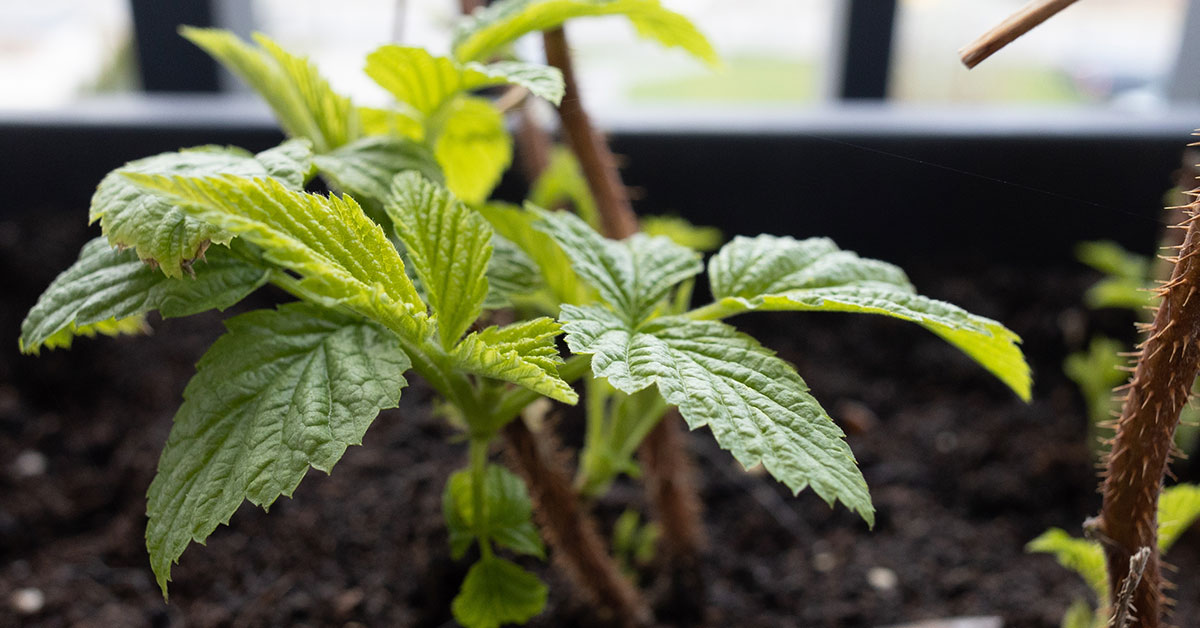

The Double Gold Raspberry, a delightful and unique berry variety, has been gaining popularity among gardening enthusiasts and fruit lovers alike. Known for its striking golden color and exceptional taste, this raspberry variety offers a delightful twist to traditional red raspberries.
This article will provide you with all the essential information, tips, and tricks to successfully cultivate and enjoy the luscious Double Gold Raspberry in your own backyard.
What is a Double Gold Raspberry?
The Double Gold Raspberry is a hybrid variety that was developed by breeders at the University of Maryland. It is a cross between the Heritage Raspberry and the Fall Gold Raspberry, resulting in a fruit that combines the best qualities of both parents.
One of the standout features of the Double Gold Raspberry is its color. Unlike traditional red or black raspberries, the Double Gold Raspberry showcases a beautiful golden hue. The berries have a slightly translucent appearance, making them visually striking and appealing.
What truly sets the Double Gold Raspberry apart is its exceptional taste. The berries are known for their sweet and tangy flavor, with a balanced acidity that adds depth to the overall taste. The flavor profile of the Double Gold Raspberry is often described as a blend of citrusy and floral notes, making it a delightful treat for the taste buds.
The Double Gold Raspberry is relatively easy to grow and can thrive in a variety of climates. It is a vigorous and productive plant that requires well-drained soil and ample sunlight. The berries typically ripen in late summer or early fall, depending on the specific growing conditions.
When harvesting Double Gold Raspberries, it is important to wait until the berries are fully ripe. The golden color should be evenly distributed, and the berries should be slightly soft to the touch. Gently pluck the ripe berries from the plant, being careful not to crush or bruise them.
The versatility of the Double Gold Raspberry makes it a popular choice for various culinary applications. These golden berries can be enjoyed fresh, eaten as a healthy snack, or used as a flavorful ingredient in a wide range of dishes.
Double Gold Raspberries are ideal for making jams, jellies, and preserves due to their natural sweetness and vibrant color. They can also be used to enhance the flavor of desserts such as pies, tarts, and cakes. Furthermore, they make a fantastic addition to fruit salads, smoothies, and cocktails, adding a burst of flavor and visual appeal.
What does Double Gold Raspberry taste like?
When it comes to unique and delicious fruits, the Double Gold Raspberry stands out as a true gem. This delectable berry is a hybrid variety that combines the sweetness of golden raspberries with the tartness of red raspberries, resulting in a flavor profile that is truly exceptional.
The taste of Double Gold Raspberries can be described as a perfect balance between sweet and tangy. With its golden hue and delicate appearance, this raspberry variety offers a slightly milder sweetness compared to traditional red raspberries. The natural sugars present in the fruit provide a pleasant burst of sweetness that is not overpowering, making it a perfect choice for those who prefer a more subtle taste.
What sets the Double Gold Raspberry apart is its unique tartness. The vibrant acidity of this berry creates a tangy and refreshing sensation on the palate. This delightful combination of sweet and tart flavors creates a harmonious taste experience that is both satisfying and addictive.
When you bite into a Double Gold Raspberry, you will be greeted with a burst of juicy goodness. The texture is soft and velvety, with each bite releasing a delightful explosion of flavor. The berry’s natural juiciness adds to its overall appeal, making it a perfect ingredient for various culinary creations.
Whether enjoyed on its own, added to fruit salads, used in baking, or incorporated into sauces and jams, the Double Gold Raspberry is a versatile fruit that can elevate any dish. Its unique flavor adds a touch of sophistication and elegance to desserts, while its vibrant color makes it visually appealing as a garnish or topping.
How to start from seed
The Double Gold Raspberry is a unique and delightful fruit that combines the sweetness of golden raspberries with the tangy flavor of red raspberries. Its vibrant color and distinct taste make it a popular choice among gardeners and fruit enthusiasts. If you’re interested in growing Double Gold Raspberries in your garden, starting from seed is an economical and rewarding option. In this blog section, we will guide you through the process of starting Double Gold Raspberries from seed, helping you kickstart your own raspberry patch.
Choosing the Right Seeds:
When it comes to starting Double Gold Raspberries from seed, it’s important to choose high-quality seeds from reputable sources. Look for seeds that are specifically labeled as Double Gold Raspberry seeds, as this ensures that you are getting the true variety. You can find these seeds at local nurseries, online seed suppliers, or even through gardening clubs and forums. Make sure to check the seed’s expiration date and consider purchasing fresh seeds for better germination rates.
Preparing the Soil:
Double Gold Raspberries thrive in well-drained soil with a slightly acidic pH level between 5.5 and 6.5. Before planting the seeds, prepare the soil by removing any weeds, rocks, or debris. Loosen the soil with a garden fork or tiller to a depth of at least 8-10 inches. This will ensure that the roots have enough room to grow and access essential nutrients. If your soil is heavy clay or sandy, consider amending it with organic matter such as compost or well-rotted manure to improve its texture and fertility.
Planting the Seeds:
To start Double Gold Raspberries from seed, sow the seeds directly into the prepared soil in early spring, after the danger of frost has passed. Create furrows or shallow trenches, approximately 1/4 inch deep, and space them about 12-18 inches apart. Place the seeds in the furrows, spacing them about 2 inches apart. Lightly cover the seeds with soil and gently firm the soil surface to ensure good seed-to-soil contact. Water the area thoroughly but avoid overwatering, as excessive moisture can lead to rotting.
Germination and Care:
Double Gold Raspberry seeds typically germinate within 2-4 weeks, depending on the temperature and soil conditions. During this period, it’s important to keep the soil consistently moist but not waterlogged. Once the seedlings emerge, thin them out to maintain a spacing of about 12-18 inches between plants. This will allow for adequate air circulation and prevent overcrowding. As the seedlings grow, provide them with full sun exposure for at least 6-8 hours a day and provide regular waterings, especially during dry spells.
Transplanting and Maintenance:
After the last frost date in your area, when the seedlings have reached a height of 6-8 inches and have developed a few sets of true leaves, they can be transplanted to their final growing location. Choose a well-drained area with full sun exposure and sufficient space for the raspberry plants to spread out. Dig holes that are wide and deep enough to accommodate the root system of each plant, spacing them about 2-3 feet apart. Gently remove the seedlings from their original planting site, taking care not to damage the fragile roots, and transplant them into the prepared holes. Water the newly transplanted seedlings thoroughly and continue to provide them with regular care, including watering, mulching, and fertilizing as needed.
How to grow this fruit in your garden
Double Gold Raspberry is a delicious and unique fruit variety that combines the flavors of red and yellow raspberries. These instructions will guide you through the step-by-step process of growing Double Gold Raspberry plants successfully.
- Choosing the Right Location:
Before you start planting Double Gold Raspberry, it’s crucial to select the right location for optimal growth. Look for a spot in your garden that receives full sun for at least six hours a day. Ensure that the area has well-draining soil, as raspberries prefer soil that retains moisture but is not waterlogged. - Preparing the Soil:
Double Gold Raspberry plants thrive in slightly acidic soil with a pH level between 5.5 and 6.5. Before planting, test the soil pH and amend it if necessary. Incorporate organic matter such as compost or well-rotted manure into the soil to improve its texture, drainage, and nutrient content. - Planting Double Gold Raspberry:
The best time to plant Double Gold Raspberry is in early spring, after the last frost date in your area. Follow these steps for successful planting: a. Dig a hole that is wide and deep enough to accommodate the plant’s root ball.
b. Place the plant in the hole, ensuring that the crown, where the roots meet the stem, is level with the ground surface.
c. Backfill the hole with soil, gently firming it around the roots to eliminate air pockets.
d. Water the plant thoroughly after planting to settle the soil. - Providing Adequate Support:
Double Gold Raspberry plants grow on biennial canes, meaning they produce fruit on second-year growth. To support the canes and prevent them from bending or breaking under the weight of the fruit, install a trellis or a support system. This will also make harvesting easier and keep the plants organized. - Watering and Mulching:
Raspberries require regular watering, especially during dry spells or hot summer months. Aim to keep the soil consistently moist but not waterlogged. Mulching is crucial to conserve moisture, suppress weeds, and maintain a stable soil temperature. Apply a layer of organic mulch, such as straw or wood chips, around the plants, leaving a gap around the stems to prevent rot. - Pruning and Maintenance:
Double Gold Raspberry plants benefit from annual pruning to remove old, non-productive canes and encourage new growth. Prune in late winter or early spring before new growth appears. Additionally, provide regular fertilizer applications in early spring and mid-summer to supply the plants with essential nutrients.