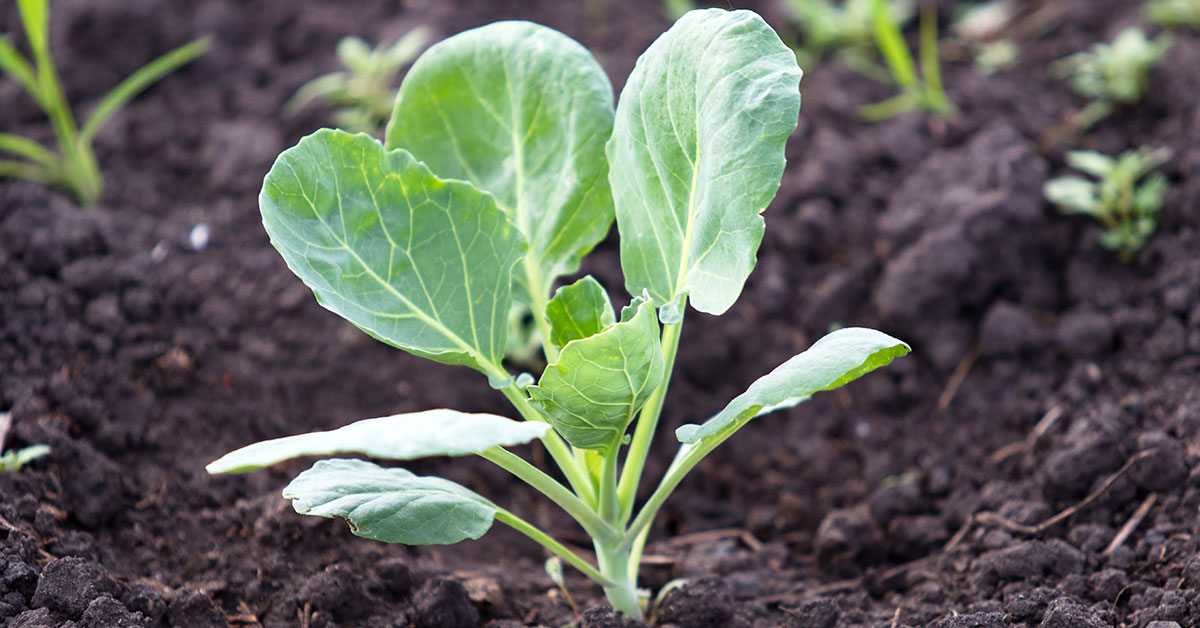

If you are a fan of brassicas and are looking to add a new vegetable to your garden, then the Doric Brussels Sprout is the perfect choice. This unique and flavorful variety is a must-have for any gardener who wants to enhance their culinary experience.
With its distinctive appearance, exceptional taste, and nutritional benefits, the Doric Brussels Sprout is sure to become a favorite in your vegetable patch. In this article, we will delve into the fascinating world of Doric Brussels Sprouts, exploring its history, growth requirements, care tips, and delicious recipes to help you make the most of this fantastic vegetable. So, roll up your sleeves and get ready to discover the wonders of the Doric Brussels Sprout.
What is a Doric Brussels Sprout?
The Doric Brussels Sprout is a variety of Brussels sprouts that is highly esteemed among gardeners and vegetable enthusiasts. It is known for its robust growth, disease resistance, and exceptional flavor. The plants typically reach a height of about 2 to 3 feet, with a compact and upright habit.
The dark green foliage forms a dense canopy that helps protect the sprouts from excessive sunlight and temperature fluctuations. The sprouts themselves are small, cabbage-like vegetables that grow along the stems of the plant. They are typically round in shape and range in size from 1 to 2 inches in diameter. When mature, the sprouts have a vibrant green color and a firm texture.
One of the notable characteristics of the Doric Brussels Sprout is its ability to produce a bountiful harvest. It has a relatively long growing season, taking around 90 to 110 days from transplanting to maturity. The plant requires cool weather for optimal growth, making it suitable for fall and winter cultivation in many regions. In terms of taste, the Doric Brussels Sprout offers a delicious combination of nutty and slightly sweet flavors.
The sprouts can be enjoyed in various culinary preparations, such as roasting, sautéing, steaming, or even eaten raw in salads. As with all Brussels sprouts, the Doric variety benefits from regular watering, well-drained soil, and full sun exposure. Adequate spacing between plants is crucial to ensure good air circulation and prevent disease development. Overall, the Doric Brussels Sprout is a popular choice for gardeners looking to cultivate a flavorful and productive crop of Brussels sprouts.
What does Doric Brussels Sprout taste like?
Doric Brussels Sprouts have a unique and delicious taste that sets them apart from other varieties of Brussels sprouts. These sprouts have a slightly sweet and nutty flavor with a hint of bitterness. The sweetness balances the bitterness, creating a well-rounded taste profile.
When cooked, the Doric Brussels Sprouts develop a tender texture while retaining a slight crunch. This texture adds a pleasant mouthfeel to the overall taste experience. The nutty undertones provide a depth of flavor that is both satisfying and comforting.
The Doric Brussels Sprouts can be enjoyed in various ways, such as roasted, sautéed, or even added to soups and stews. Their distinct taste adds a burst of flavor to any dish they are incorporated into.
Overall, the taste of Doric Brussels Sprouts is a delightful combination of sweetness, nuttiness, and a touch of bitterness, making them a favorite among Brussels sprout enthusiasts.
How to start from seed
To start a Doric Brussels sprout plant, you will need to follow these steps:
- Seed Selection: Choose high-quality Doric Brussels sprout seeds from a reputable source. Look for seeds that are fresh and free from any signs of damage or disease.
- Starting Indoors: Brussels sprouts are typically started indoors about 6-8 weeks before the last expected frost date in your area. Fill seed trays or small pots with a sterile seed-starting mix.
- Sowing Seeds: Sow the Doric Brussels sprout seeds about ¼ inch deep in the seed-starting mix. Space the seeds 2 inches apart in rows or individual pots.
- Watering: Moisten the soil gently after sowing the seeds. Keep the soil consistently moist but not waterlogged throughout the germination process. It is recommended to use a misting spray bottle or a gentle watering can to avoid disturbing the seeds.
- Germination: Place the seed trays or pots in a warm location with temperatures around 70-75°F (21-24°C). The seeds usually take about 7-10 days to germinate. Once the seedlings emerge, move them to a location with bright, indirect light or under grow lights.
- Transplanting: When the seedlings have developed their first true leaves and are about 4-6 inches tall, they are ready to be transplanted outdoors. Harden off the seedlings by gradually exposing them to outdoor conditions over a week.
- Outdoor Planting: Choose a sunny location in your garden with well-draining soil. Brussels sprouts prefer a soil pH of 6.0-7.5. Space the plants about 24-36 inches apart to allow enough room for growth.
- Soil Preparation: Prior to planting, amend the soil with organic matter like compost or well-rotted manure to improve fertility and drainage. Dig a hole slightly larger than the root ball of the seedling.
- Planting: Carefully remove the seedling from its container, taking care not to damage the roots. Place the plant in the hole and backfill with soil, firming it gently around the base of the plant.
- Watering and Care: After planting, water the seedlings thoroughly and keep the soil consistently moist, but not waterlogged. Mulching around the plants can help retain moisture and suppress weeds. Brussels sprouts require regular watering, especially during dry periods.
- Support: As the Doric Brussels sprout plant grows taller, it may need support to prevent it from toppling over in windy conditions. You can provide support by staking or using a plant cage.
- Fertilization: Brussels sprouts are heavy feeders, so it is important to fertilize them regularly. Apply a balanced fertilizer or compost tea every 3-4 weeks during the growing season.
- Pest and Disease Control: Keep an eye out for common pests such as aphids, cabbage worms, and slugs. Use organic pest control methods or insecticidal soap to manage infestations. Monitor for any signs of disease, such as powdery mildew or clubroot, and take appropriate measures to control them.
- Harvesting: Doric Brussels sprouts usually take around 90-120 days to mature. Harvest the sprouts from the bottom of the plant upward as they reach a suitable size, usually around 1-1.5 inches in diameter. Twist or cut off the sprouts from the stem.
By following these steps, you can successfully start and grow Doric Brussels sprouts in your garden. Happy gardening!
Planting and growing Doric Brussels Sprout
To plant and grow Doric Brussels sprouts, follow these steps:
- Choose the right time: Brussels sprouts are cool-season crops and require a long growing season. Start seeds indoors 6-8 weeks before the last frost date in your area or purchase young seedlings from a nursery.
- Prepare the soil: Brussels sprouts prefer well-draining, fertile soil. Amend the soil with compost or well-rotted manure to improve its nutrient content. The soil pH should be slightly acidic, around 6.0-6.8.
- Start seeds indoors (optional): If starting from seeds, sow them in seed trays or small pots filled with seed-starting mix. Plant the seeds ¼ to ½ inch deep and keep them in a warm location (around 70°F/21°C) until they germinate. Once they develop true leaves, thin them out and provide adequate light.
- Transplant seedlings: When the seedlings are 6-8 weeks old and have a couple of sets of true leaves, they are ready to be transplanted. Harden them off gradually by exposing them to outdoor conditions for a few hours each day. Space the seedlings 18-24 inches apart in rows with 2-3 feet between rows.
- Planting in the garden: Dig a hole slightly larger than the root ball of the seedling. Place the seedling in the hole, making sure the soil line matches the level it was growing at in the pot. Gently firm the soil around the plant and water thoroughly.
- Provide proper care: Keep the plants evenly moist, especially during dry spells. Mulching around the plants can help retain moisture and suppress weeds. Fertilize with a balanced organic fertilizer or compost tea every 3-4 weeks to provide essential nutrients.
- Support the plants (optional): As the plants grow, they may benefit from staking or caging to support their weight and prevent them from toppling over.
- Manage pests and diseases: Protect the plants from common pests like aphids, cabbage worms, and slugs by using organic pest control methods or introducing beneficial insects. Keep an eye out for signs of diseases such as clubroot or powdery mildew and take appropriate measures if necessary.
- Harvesting: Doric Brussels sprouts typically take around 90-100 days to mature. The sprouts develop in the leaf axils of the plant’s stem. Begin harvesting when the sprouts are firm and about 1-2 inches in diameter. Start from the bottom and work your way up, removing the lower sprouts first. Leave the top of the plant intact to allow the smaller sprouts to continue maturing.
By following these steps, you can successfully plant and grow Doric Brussels sprouts in your garden. Happy gardening!
When to harvest
The best time to harvest Doric Brussels Sprouts is typically when the sprouts are firm, green, and about 1 to 2 inches in diameter. This usually occurs around 90 to 100 days after transplanting or 120 to 150 days after sowing the seeds, depending on the growing conditions and climate. It’s important to monitor the plants closely and harvest the sprouts from the bottom of the stalk upwards as they mature. Avoid waiting too long, as over-matured sprouts can become bitter and lose their flavor.