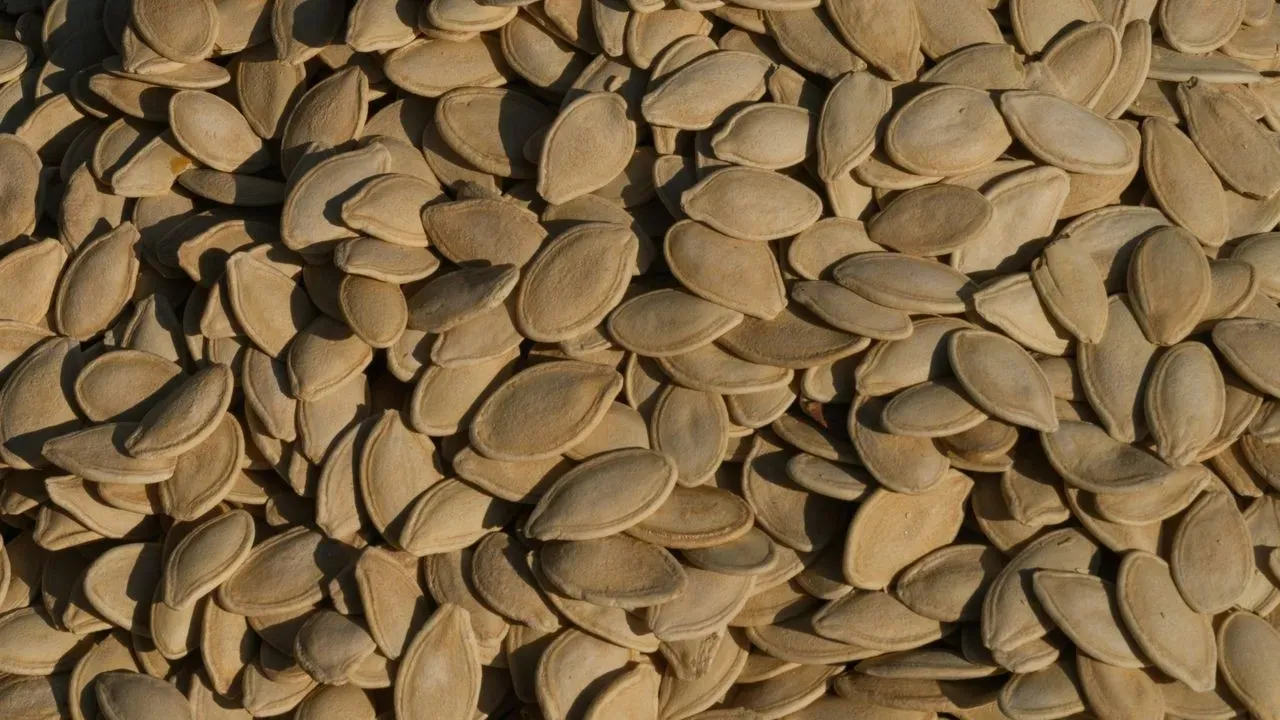

As Halloween arrives and gardeners finish harvesting their pumpkins and other hard-skinned squashes, many households face the familiar question of what to do with the seeds scooped out during carving. Rather than discarding them, a growing number of cooks are turning those seeds into a simple, salty snack that captures the flavors of the season. The approach applies equally to pumpkins grown for jack-o’-lanterns and to the broader range of winter squashes that thrive in home gardens. ([1])
The Practical Payoff for Home Gardeners
Gardeners who raise pumpkins or similar squashes already invest time and space in their plots. Saving the seeds extends that effort into the kitchen without additional cost or effort beyond basic cleaning. The result is a snack that feels connected to the harvest rather than separate from it. This habit also reduces household waste at a time when seasonal produce peaks. Families carving pumpkins for October 31 celebrations can quickly separate the seeds from the pulp and set them aside for roasting later the same day or the next. The process fits naturally into the rhythm of fall cleanup in the garden and the kitchen.
Why the Timing Matters This Time of Year
Pumpkin carving peaks in late October, creating a ready supply of fresh seeds across many regions. Roasting them soon after harvest preserves their texture and prevents spoilage that can occur if seeds sit too long in the refrigerator. The salty, crunchy outcome pairs well with other autumn foods and gatherings. Whether served at a post-trick-or-treating table or packed for weekday lunches, the snack carries the same seasonal spirit as the carved pumpkins themselves. Gardeners who grow multiple varieties of hard-skinned squash find the same method works across their harvest.
Extending the Idea Beyond Pumpkins
The same principle applies to butternut, acorn, and other winter squashes that gardeners commonly plant. Their seeds respond to similar preparation, yielding a comparable crunchy result. This flexibility means a single technique serves an entire category of crops rather than one specific vegetable. Home cooks who experiment across varieties often notice subtle differences in size and flavor that reflect the parent squash. Still, the core appeal remains consistent: a no-waste approach that turns what many view as refuse into something worth eating. The practice aligns with broader efforts among gardeners to make full use of what they grow.
A Simple Seasonal Habit Worth Keeping
Adopting this step requires only a few extra minutes during the usual carving routine. Once established, it becomes part of the annual cycle that links garden work to the table. Families who try it once often repeat it in following years because the outcome is reliable and satisfying. In the end, the seeds represent one more way the garden continues to provide after the main harvest ends. Rather than ending the season with empty shells and discarded pulp, households finish with a small batch of homemade snacks that taste of fall. The habit is modest, yet it turns an overlooked byproduct into something genuinely useful.
AI Disclaimer: This article was created with the assistance of AI tools and reviewed by a human editor.