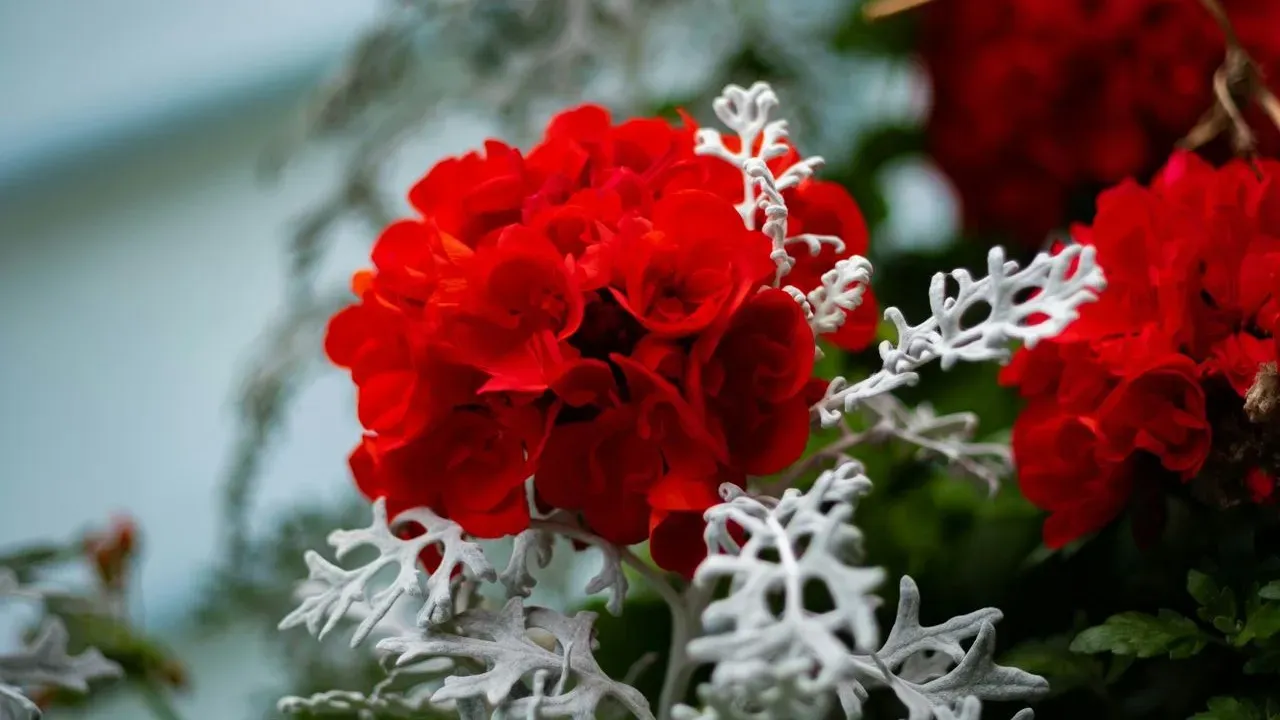

Many gardeners pull up their geraniums in late autumn and discard them without a second thought. Garden, or zonal, geraniums are tender perennials that behave like annuals in colder regions, and a few steps before the first freeze can carry them through winter. A guide from Gardener’s Path ([1]) lays out the basic approach. The timing matters, because the work has to happen before cold weather arrives.
Why these “annuals” are worth saving
Geraniums are less fragile than their reputation suggests. Tender geraniums are mostly native to southern Africa and can live as perennials in frost-free zones, which generally means zones 9 through 12. Gardeners farther north lose them to the first hard frost, but the plants themselves are not finished. Once nighttime temperatures fall below about 45°F, the plants should be moved to shelter, since a freeze will kill the leaves and stems.
The payoff is practical. A plant that would have cost a few dollars at a garden center in May can return the following season, already sized up and ready to bloom. Several extension guides point out that a plant brought in before winter often grows faster in spring than a fresh start from a nursery pot.
Three ways to keep them through winter
Most home gardeners choose from three approaches. The first is to dig up the plant or bring in its container and keep it as a houseplant. Iowa State University describes this route as one that suits a bright, sunny window or artificial lighting. The second is bare-root storage, in which the soil is shaken off and the plant rests in the dark. The third is taking stem cuttings, which need far less room.
| Method | Winter setup | Best suited for |
|---|---|---|
| Potted plant | Sunny window or grow light, about 60 to 65°F | Favorite plants in bright homes |
| Bare-root storage | Dark, dry space at 45 to 55°F | Many plants with little light |
| Stem cuttings | Bright, indirect light while rooting | Small spaces and backup copies |
Key points before the first frost
- Bring plants in before nights drop below about 45°F.
- Check for whiteflies, aphids, and spider mites before moving anything indoors.
- Cut stems back by roughly one-third to one-half so the plant is easier to carry and holds less moisture.
- Avoid direct sun on cuttings, which can scorch young tissue.
Light and temperature make the difference
Light is the factor that determines how a winter houseplant looks in March. University of Illinois Extension advises placing potted geraniums in a bright, sunny window or under supplemental lighting, with daytime temperatures near 65°F and slightly cooler nights. Warm rooms with weak light produce long, pale stems that flop over. Pinching back leggy growth above a leaf node can help, but the lasting fix is more light or a cooler room.
Watering needs drop in winter. Potted plants generally need water only when the soil surface feels dry, and overwatering is a common route to rot. Stored bare-root plants need even less attention. Cuttings are different, since their medium should stay moist but drained until roots form, which usually takes six to eight weeks.
Bringing them back outside in spring
Spring is the reward, but it calls for patience. Plants that rested in storage often look dormant for several weeks after they come out. Gardeners should pot them up, move them into brighter light, and watch for green growth along the stems. The Plant Manual notes that indoor geraniums should stay inside until the threat of frost has passed, and the transition outdoors should be gradual to avoid shock.
Gardeners in the North should wait until the average last frost date has passed before planting outdoors. Those who want an early start can restart plants indoors several weeks before that date. Either way, a plant that survived the winter gives the garden a head start that a bare bed cannot match.
Saving geraniums is not guaranteed. Results depend on the plant’s health, the light in the home, and the care given through the winter. Still, a few minutes in late autumn can decide whether a favorite plant returns in spring or becomes another entry in the compost pile.
AI Disclaimer: This article was created with the assistance of AI tools and reviewed by a human editor.