

As autumn arrives and the leaves begin to blanket your yard in a golden, red, and orange carpet, the temptation to rake them up and haul them to the curb can be strong. But before you reach for those lawn bags, let me share a secret with you: those fallen leaves are absolute gold for your garden! I completely understand the urge to tidy up before winter sets in, but instead of seeing these leaves as a nuisance, view them as a resource—one that can enhance your soil, protect your plants, and even help you save money on garden supplies. It’s such a shame to let all that potential go to waste, especially when your garden can benefit so much from this natural bounty.
In this article, I’ll show you just how valuable your fall leaves can be, and I’ll guide you through several ways to put them to good use in your garden. Whether you’re looking to improve your soil’s fertility, create habitats for beneficial insects, or simply reduce waste, those leaves have something to offer. Let’s dive into the many reasons you should think twice before discarding this gardening treasure and discover how to turn your fall leaves into something your garden will thank you for!
Creating Leaf Mulch

One of the simplest and most effective uses for fall leaves is to turn them into mulch. Leaf mulch is incredibly beneficial for your garden, providing a protective layer that helps retain soil moisture, suppress weeds, and regulate soil temperature. By covering your garden beds with a thick layer of shredded leaves, you’re mimicking the natural process that happens in forests, where fallen leaves decompose and nourish the soil. I’ve found that leaf mulch is particularly helpful for protecting the roots of perennials and shrubs during the winter months, keeping them insulated against the cold.
To create leaf mulch, simply gather the leaves and shred them with a lawnmower or leaf shredder. Shredding is important because whole leaves can mat down and form a barrier that prevents water and air from reaching the soil. Spread the shredded leaves around your garden beds, making sure to keep them a few inches away from the stems of your plants to avoid rot. Over time, the leaves will break down and add organic matter to the soil, improving its structure and fertility. It’s such a rewarding feeling to know that you’re enhancing your garden’s health with something as simple as fallen leaves!
Boosting Your Compost Pile

Another fantastic way to use your fall leaves is by adding them to your compost pile. Leaves are rich in carbon, which is a crucial component of balanced compost. In composting terms, they’re considered “browns,” which need to be mixed with “greens” like vegetable scraps and grass clippings to create a healthy, nutrient-rich compost. If you’ve ever struggled to maintain the right balance in your compost pile, you’ll know how frustrating it can be to end up with a smelly, slimy mess. Adding leaves can help absorb excess moisture and keep your compost pile well-aerated, which is essential for the decomposition process.
To get the most out of your leaves in the compost pile, it’s best to shred them first, as smaller pieces break down more quickly. Layer the shredded leaves with green materials, aiming for a ratio of about 3 parts leaves to 1 part greens. Turn the pile regularly to keep it aerated, and in a few months, you’ll have rich, dark compost that’s perfect for enriching your garden beds. This compost will improve soil fertility, boost plant growth, and enhance the overall health of your garden. Plus, composting your leaves keeps them out of the landfill, making it an eco-friendly choice.
Making Leaf Mold

If you’re looking for a simple, low-maintenance way to use your leaves, consider making leaf mold. Leaf mold is a type of compost that’s created by letting leaves decompose slowly over time, with little to no intervention. Unlike regular compost, which relies on a mix of materials and frequent turning, leaf mold is made from just leaves and is left to break down naturally. The result is a dark, crumbly material that’s excellent for improving soil structure and water retention. I love using leaf mold in my garden because it’s easy to make and provides such a rich, earthy addition to the soil.
To make leaf mold, simply pile up your leaves in a corner of the garden or in a wire bin and let nature take its course. The process can take a year or more, but the end product is worth the wait. You can speed up the process by shredding the leaves before piling them up and keeping the pile moist during dry periods. Once the leaves have broken down into a crumbly texture, you can spread the leaf mold on your garden beds as a soil amendment. It’s particularly beneficial for improving heavy clay soils, as it helps to lighten the soil and improve drainage. Leaf mold is a gardener’s secret weapon for healthier soil and stronger plants.
Providing Habitat for Wildlife

Fallen leaves aren’t just valuable for your garden—they’re also crucial for wildlife. Many beneficial insects, such as ladybugs, spiders, and certain types of beetles, use leaf litter as a place to overwinter. By leaving some leaves undisturbed in certain areas of your yard, you’re creating a habitat that supports these insects, which in turn help control pests in your garden. I know it can be tempting to rake every last leaf, but consider leaving a few piles in less visible areas to provide shelter for these garden allies.
Birds also benefit from leaf litter, as it provides a rich hunting ground for food like insects and seeds. If you’ve ever watched a bird foraging through fallen leaves, you know how much they rely on this natural resource. Leaving some leaves in your yard can help attract a variety of birds to your garden, adding to the biodiversity and overall health of your outdoor space. Plus, it’s a great way to support local wildlife, especially during the colder months when food and shelter can be harder to find.
Creating Natural Paths and Walkways
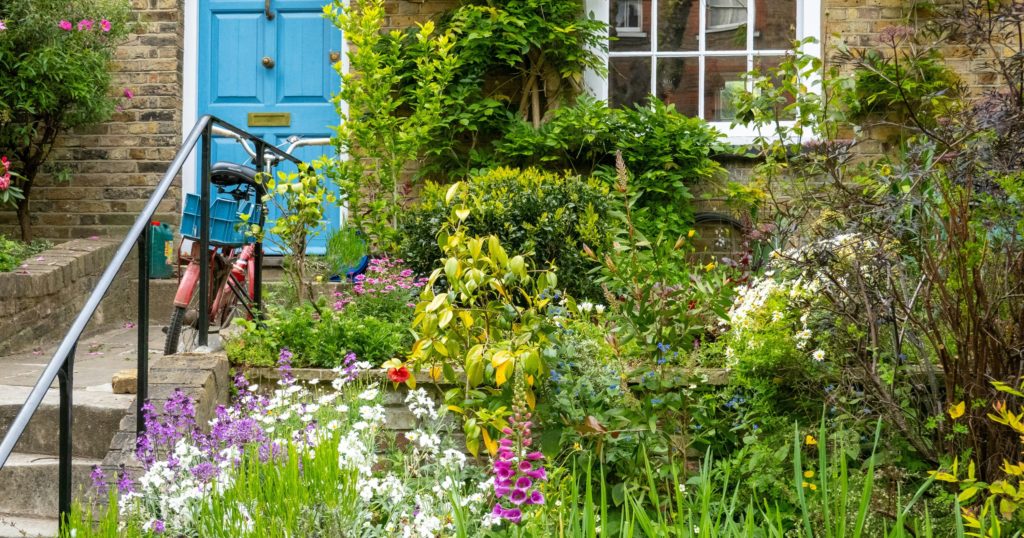
If you have a large amount of leaves and aren’t sure what to do with them, consider using them to create natural paths and walkways through your garden. Layering leaves along your garden paths not only helps to define the walkways but also provides a soft, cushioned surface that’s pleasant to walk on. Over time, the leaves will break down and add organic matter to the soil, which can improve the health of the surrounding plants. I’ve found that using leaves for pathways is a great way to make use of a large volume of leaves while enhancing the aesthetics of your garden.
To create a leaf pathway, simply spread a thick layer of leaves along the desired path, and if you’d like, you can top it with a layer of wood chips or gravel for added stability. The leaves will help suppress weeds along the path and keep the soil beneath moist, reducing the need for watering. As the leaves decompose, they’ll blend into the soil, leaving you with a natural, earthy walkway that integrates beautifully with the rest of your garden. This is a simple, cost-effective way to put your fall leaves to good use while adding a charming touch to your outdoor space.
Insulating Delicate Plants
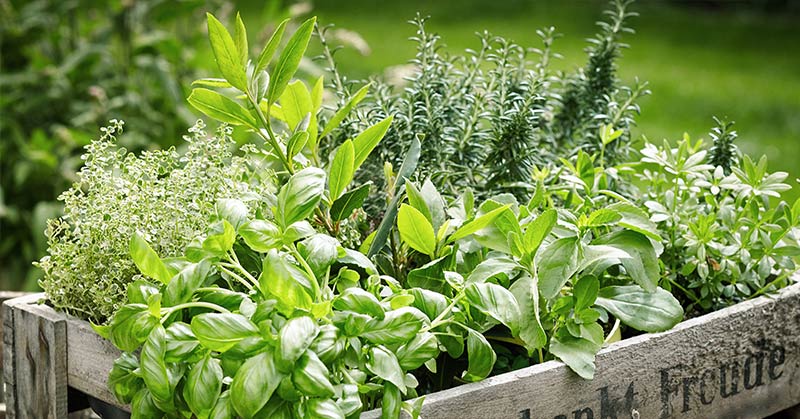
For gardeners with delicate or tender plants, fall leaves can be a lifesaver when it comes to protecting them from the cold. Leaves make excellent insulation, helping to keep the soil warm and prevent frost damage to the roots of your plants. This is especially important for perennials that are on the borderline of their hardiness zones, as well as for newly planted shrubs and young trees. I’ve had great success using leaves to protect my more vulnerable plants through the winter, and it’s a simple, natural way to give them a better chance of surviving the cold months.
To insulate your plants, pile leaves around the base of the plants, covering the root zone and creating a thick layer that will trap heat. You can also use leaves to cover the crowns of herbaceous perennials or to insulate the soil in raised beds. Just be sure to remove the leaves in the spring once the threat of frost has passed, as leaving them in place for too long can smother the plants and promote rot. By using leaves as insulation, you’re giving your plants the extra protection they need to thrive when the weather turns cold.
Using Leaves in Raised Beds
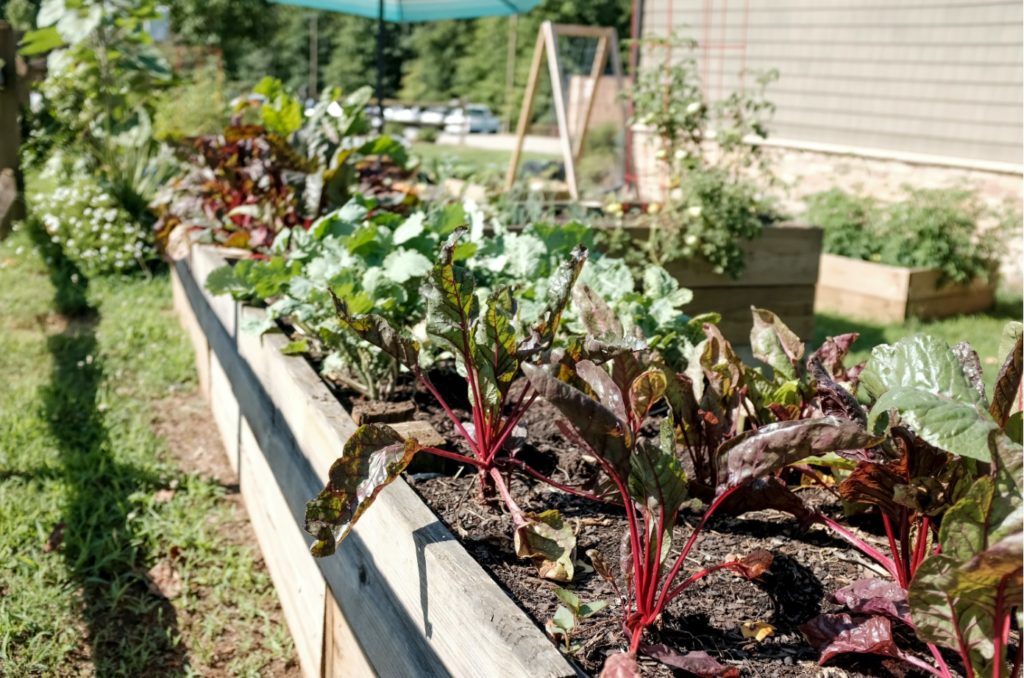
If you garden in raised beds, fall leaves can be a valuable addition to your soil-building efforts. Raised beds tend to dry out more quickly than in-ground gardens, so adding organic matter like leaves can help retain moisture and improve soil structure. I like to incorporate leaves into my raised beds in the fall, allowing them to break down over the winter and enrich the soil for spring planting. This method not only improves the fertility of the soil but also reduces the need for additional soil amendments in the future.
To use leaves in your raised beds, start by spreading a layer of leaves over the soil surface, and then lightly dig them into the top few inches of soil. Over the winter, the leaves will decompose and mix with the existing soil, adding valuable organic matter and nutrients. If you’re preparing a new raised bed, you can layer leaves with other organic materials like compost and grass clippings to create a rich, fertile base for your plants. By spring, your raised beds will be filled with nutrient-rich soil that’s ready for planting, thanks to the addition of those fall leaves.
By now, I hope you’re convinced that your fall leaves are far too valuable to simply throw away. From mulching and composting to providing wildlife habitat and insulating plants, these leaves are a gardener’s best friend. So next time you’re tempted to rake them up and toss them out, remember all the ways they can benefit your garden and put them to good use instead. Your garden—and the environment—will thank you for it!