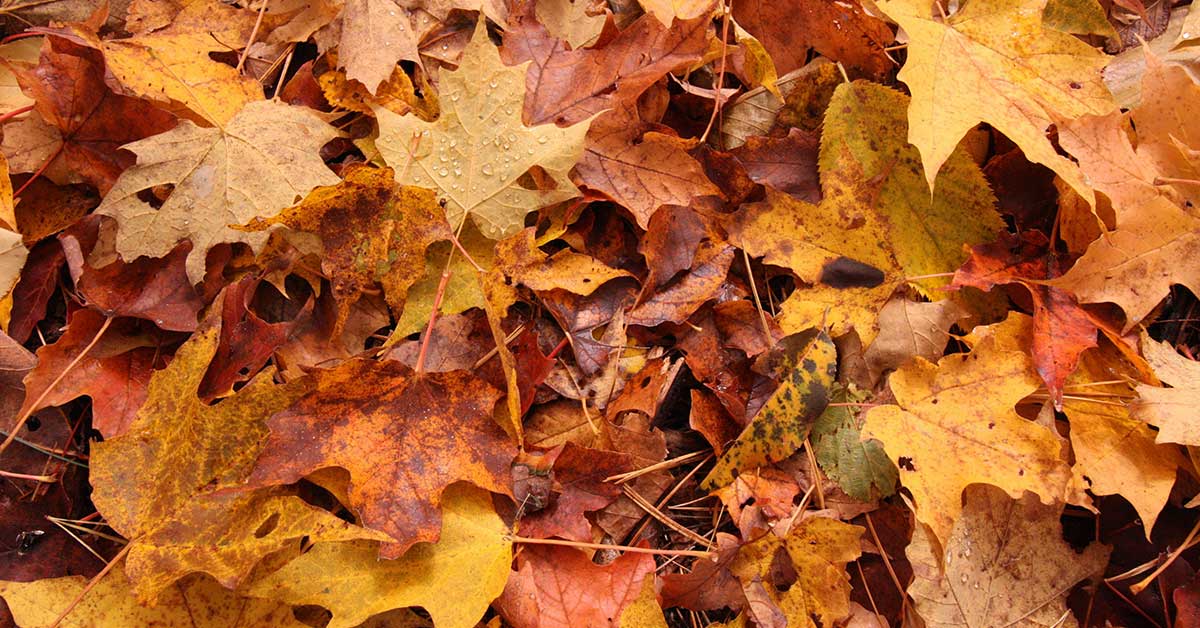

Every autumn, I watch bags of leaves being dragged to the curb, and it always makes me wince a little. Those crunchy, colorful layers that blanket our yards aren’t just debris—they’re nature’s gift, packed with nutrients and life. Raking them up and tossing them away robs your garden of one of the best free resources you’ll ever have. Instead, those leaves can be put to work, creating healthier soil, feeding wildlife, and even providing winter protection for your plants.
I understand why people want a tidy yard, but tidiness doesn’t have to mean waste. Leaves are part of the natural cycle of forests and meadows, breaking down to enrich the ground and give shelter to countless creatures. When we treat them as gold instead of garbage, we bring a little bit of that forest magic into our own gardens. Let me walk you through the many ways fall leaves can become your garden’s secret treasure.
Turn Them Into Leaf Mold

Leaf mold is one of the most incredible soil conditioners you can create, and all it takes is a pile of leaves and a bit of patience. As leaves break down over months, they transform into a crumbly, earthy material that improves soil structure, boosts water retention, and feeds beneficial microbes. I’ve seen struggling beds come back to life simply by mixing in leaf mold.
In the wild, forests depend on this process to keep soil fertile. By recreating it at home, you’re imitating nature’s own composting system. It’s slow but worth it—your plants will reward you with stronger roots and healthier growth. And honestly, there’s something deeply satisfying about turning a pile of “waste” into gardening gold.
Mulch for Winter Protection
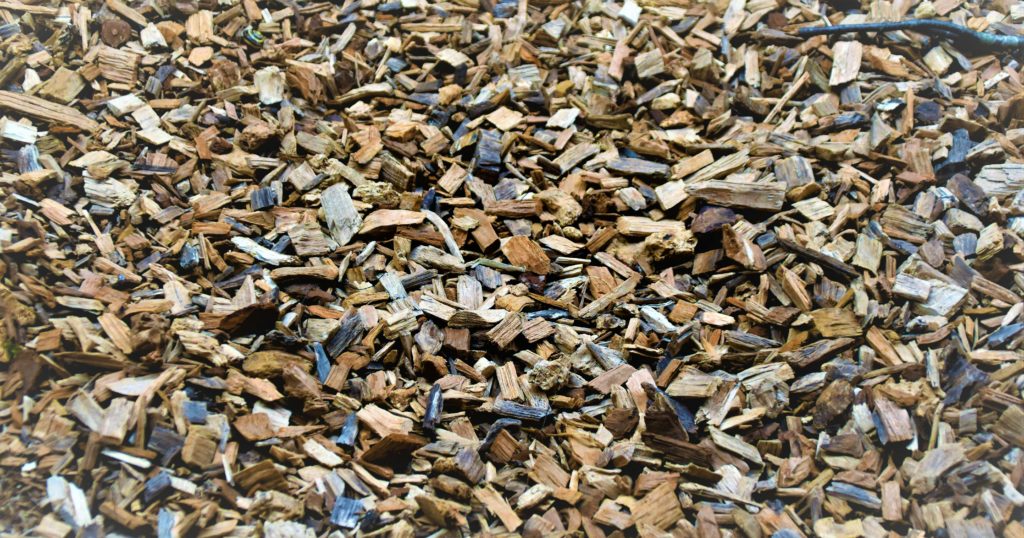
One of my favorite uses for fall leaves is as a natural mulch. Spread a thick layer around the base of perennials, shrubs, and even young trees, and you’ll help insulate their roots from fluctuating winter temperatures. This mulch also suppresses weeds and locks in soil moisture.
Many plants in their native environments naturally receive this kind of leafy blanket each fall. Mimicking that cycle in your yard not only keeps them healthier but also provides a cozy refuge for insects and small critters that tuck themselves under the leaves for shelter. It’s a living mulch that benefits far more than just the soil.
Create Habitat for Wildlife

Leaves left in quiet corners of your yard provide essential shelter for wildlife. Frogs, salamanders, toads, and beneficial insects like ladybugs use leaf piles as winter homes. Even some butterflies lay eggs in these protected spaces, ensuring the next generation has a safe start.
When we bag up every leaf, we unintentionally remove vital habitat from our landscapes. By leaving a few piles untouched, you’re creating a sanctuary that supports biodiversity. It’s such a small act with a huge payoff—you’re not just gardening, you’re helping entire ecosystems thrive right outside your door.
Improve Your Compost Pile

Leaves are a perfect “brown” material for composting, balancing out “green” kitchen scraps like fruit peels and coffee grounds. Shredding them speeds up decomposition, and the carbon they provide helps prevent a slimy, smelly pile. I always keep a stash of dry leaves nearby to toss in whenever I add fresh scraps.
In their native cycles, leaves always mix with decomposing plants and animals, fueling rich soil. Your compost bin becomes a miniature version of that natural process. By keeping leaves in the mix, you’ll produce rich compost faster, with all the nutrients your garden craves.
Use Them as Insulation in Raised Beds
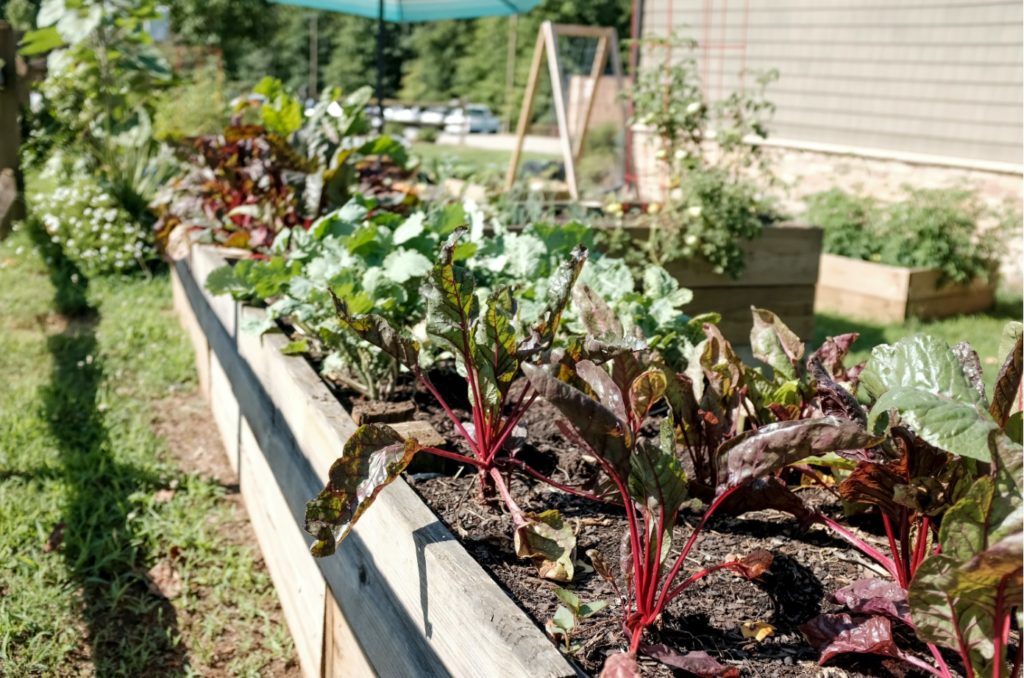
If you garden in raised beds, leaves are a wonderful tool for winter insulation. Piling them over the soil surface creates a layer that keeps the ground warmer longer, protecting root crops like carrots and beets from freezing too quickly. It’s like adding a soft quilt to your beds.
Raised beds can lose heat faster than ground-level soil, so this method is especially helpful. In colder climates, it can mean the difference between harvesting into late fall and losing crops early. Plus, by spring, those leaves will have started to decompose, enriching your soil naturally.
Feed Earthworms and Soil Life

Leaves are irresistible to earthworms. As they break down, worms drag pieces into their burrows, digest them, and return them as castings—some of the richest fertilizer around. I’ve noticed worm populations skyrocket in beds where I’ve layered leaves.
In their natural habitats, worms evolved to thrive under forest litter. Bringing that same process into your yard sets off a chain reaction of life: microbes multiply, worms flourish, and your plants enjoy richer, looser soil. It’s one of the simplest ways to boost soil health without spending a dime.
Make Leaf-Based Potting Mix
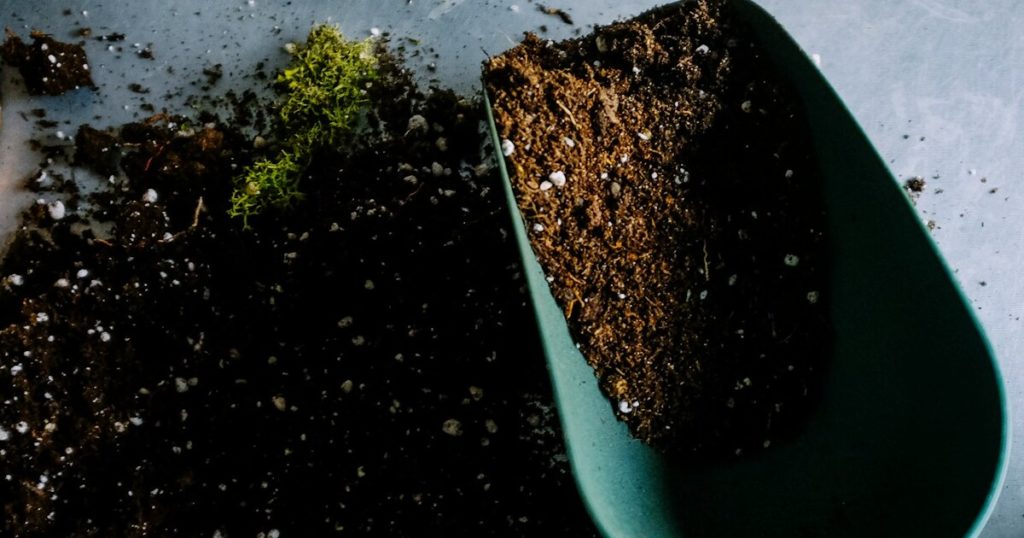
Shredded leaves can be used to create homemade potting mixes, especially when blended with compost and sand. Leaf mold in particular makes an excellent lightweight addition, improving water retention without compacting. I’ve used it in seed-starting trays with wonderful results.
This practice mirrors traditional gardening methods in Europe, where gardeners relied on what was at hand rather than store-bought soil mixes. By reusing your leaves this way, you’re not only cutting down on waste but also saving money while keeping your plants happy.
Suppress Weeds Naturally
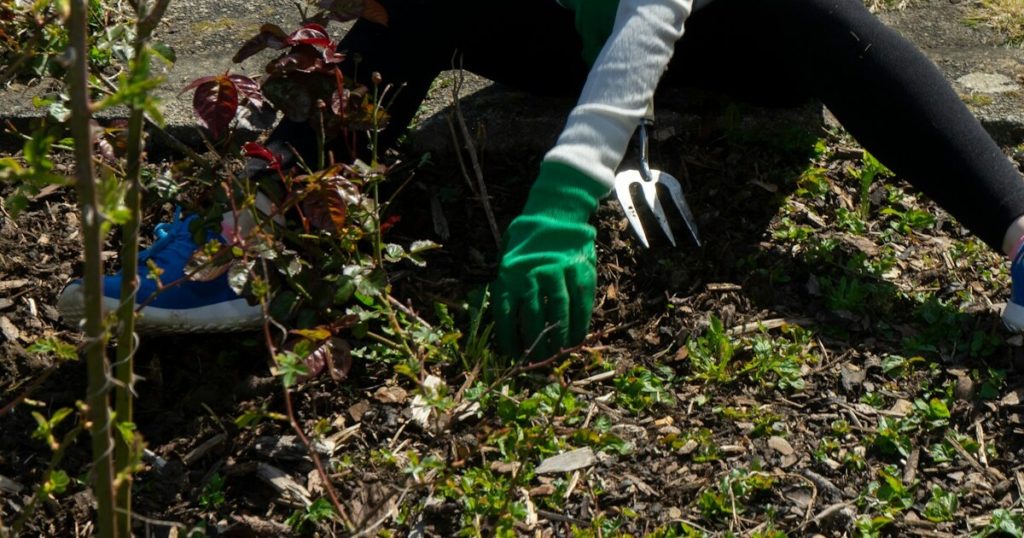
A thick mat of leaves spread over garden paths or between rows acts as a natural weed suppressant. Without sunlight, weeds struggle to germinate, and as the leaves decompose, they enrich the soil. I’ve often used this trick in my vegetable beds to cut down on tedious weeding.
In the forest, leaf litter naturally prevents too many plants from sprouting at once, keeping ecosystems balanced. Using the same principle in your yard gives you healthier soil with far less effort. It’s gardening efficiency at its best!
Use Them as Sheet Mulch for New Beds
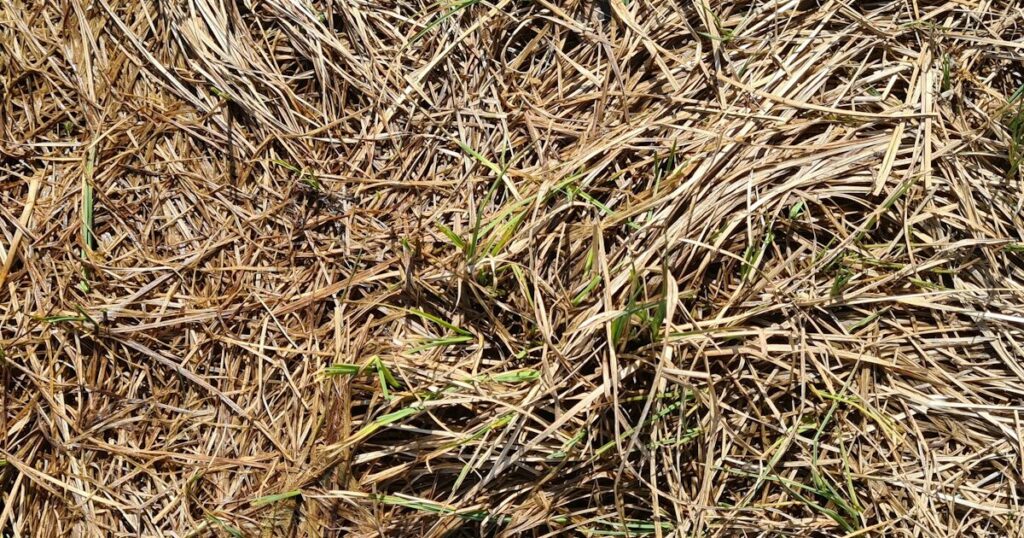
If you’re planning a new garden bed, leaves are perfect for sheet mulching. Layer them thickly over grass or weeds, top with compost, and let them break down over winter. By spring, you’ll have rich soil ready for planting.
This method replicates how meadows and woodlands naturally transition over time. It smothers unwanted growth while feeding the soil below. I find it incredibly satisfying to turn what looks like waste into the foundation of a flourishing new planting space.
Provide Nesting Material for Birds

Birds often use leaves as part of their nest-building materials. By leaving a pile or spreading some in less manicured areas, you’re offering them resources for the coming spring. Wrens and robins especially benefit from having a variety of natural fibers on hand.
In their native ranges, birds always rely on fallen plant matter for nests. In urban or suburban yards, they may struggle to find enough. Your leaf piles could mean healthier nests and better survival rates for fledglings in your area.
Create Paths or Ground Cover

Leaves can be used to cover paths in the garden, creating a soft, natural walkway. As they break down, they feed the soil below while keeping paths mud-free. It’s like having a renewable carpet that constantly improves your yard.
This mimics forest trails, where compacted leaves form natural walking surfaces. It’s an eco-friendly alternative to wood chips or gravel, especially in large gardens where covering paths with purchased material would be expensive.
Store Them for Year-Round Use

Don’t think you have to use every leaf right away. Bag them up in breathable sacks or bins and store them for later. I often stash leaves for use in compost piles or mulching projects months down the road when I need extra browns.
By keeping a reserve, you make sure you always have this resource on hand. It feels empowering to know you’ve stored away a supply of “garden gold” that will keep working for you long after the trees have gone bare.