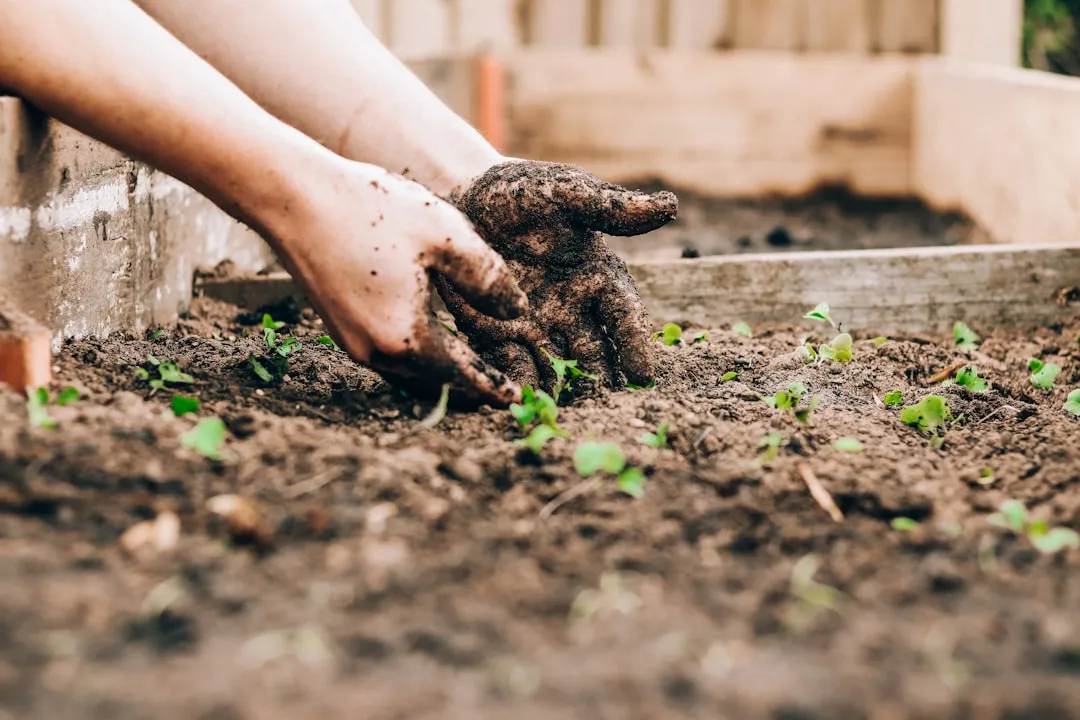

Every morning, millions of households scoop spent grounds out of a coffee maker and drop them straight into the bin. It’s a habit that’s easy to understand, but also a quiet missed opportunity. Those dark, damp granules left behind after brewing are richer in useful material than most people realize.
Research suggests that used coffee grounds contain many bioactive compounds that could help enrich your garden soil. The trick is knowing exactly how, and how much, to use them.
A Natural Nitrogen Boost for Your Soil
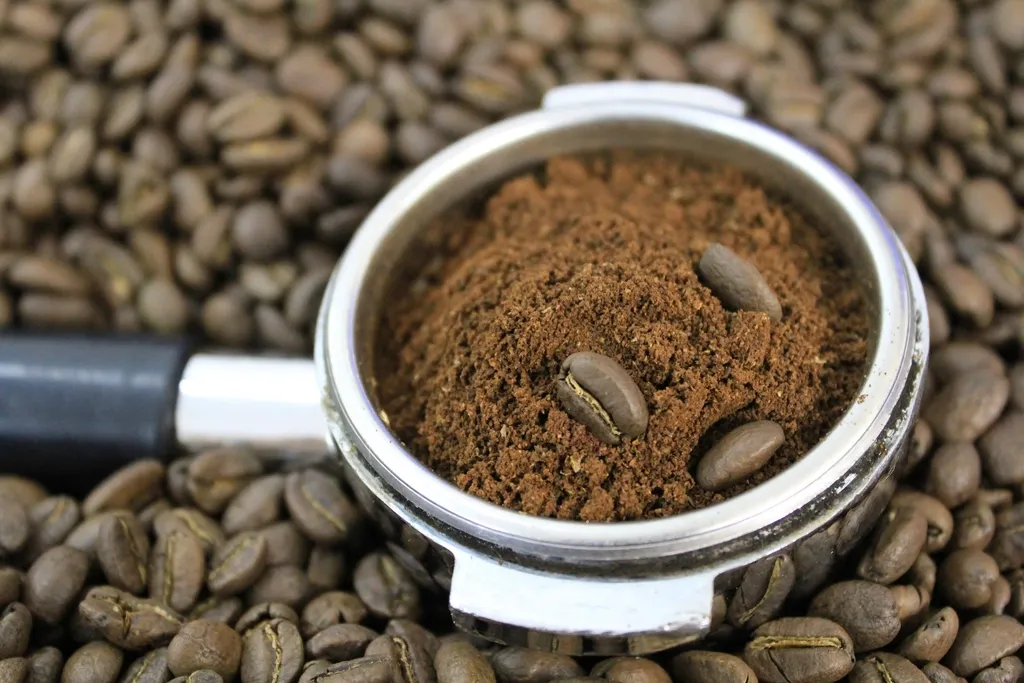
Used coffee grounds contain a small but meaningful amount of nitrogen – around roughly 2 percent by weight – along with traces of potassium, phosphorus, and magnesium. Nitrogen is the nutrient most responsible for leafy, vigorous growth, and adding it organically is better for soil health long-term than reaching for synthetic fertilizers.
When added to soil, coffee grounds release nitrogen slowly, supporting healthy foliage development. That slow release matters: it feeds plants steadily rather than overwhelming them the way some fast-acting fertilizers can.
The nitrogen from composted coffee grounds is less likely to be lost through leaching and runoff, ensuring delivery to your plants. That’s a meaningful advantage in sandy or loose soils where nutrients wash away quickly.
Add Them to Your Compost Pile First
Coffee grounds can be an excellent addition to a compost pile. The grounds are relatively rich in nitrogen, providing bacteria the energy they need to turn organic matter into compost. They fall into the “green” or nitrogen-rich category, which means they pair well with dry, carbon-heavy browns like leaves or cardboard.
A study at Oregon State University showed that when composted, coffee helps sustain high temperatures in compost piles. When grounds made up roughly a quarter of the volume of a compost pile, temperatures stayed between 135 and 155 degrees Fahrenheit for at least two weeks. Those high temperatures are useful because they kill off weed seeds and potentially harmful pathogens.
To prevent the compost pile from becoming dense, odorous, and anaerobic, it is crucial to balance coffee grounds with an equal or greater volume of “brown” materials, such as dried leaves, shredded cardboard, or sawdust. This balance ensures proper aeration and supports a healthy, thriving ecosystem of microorganisms essential for effective composting.
Improve Soil Structure and Drainage
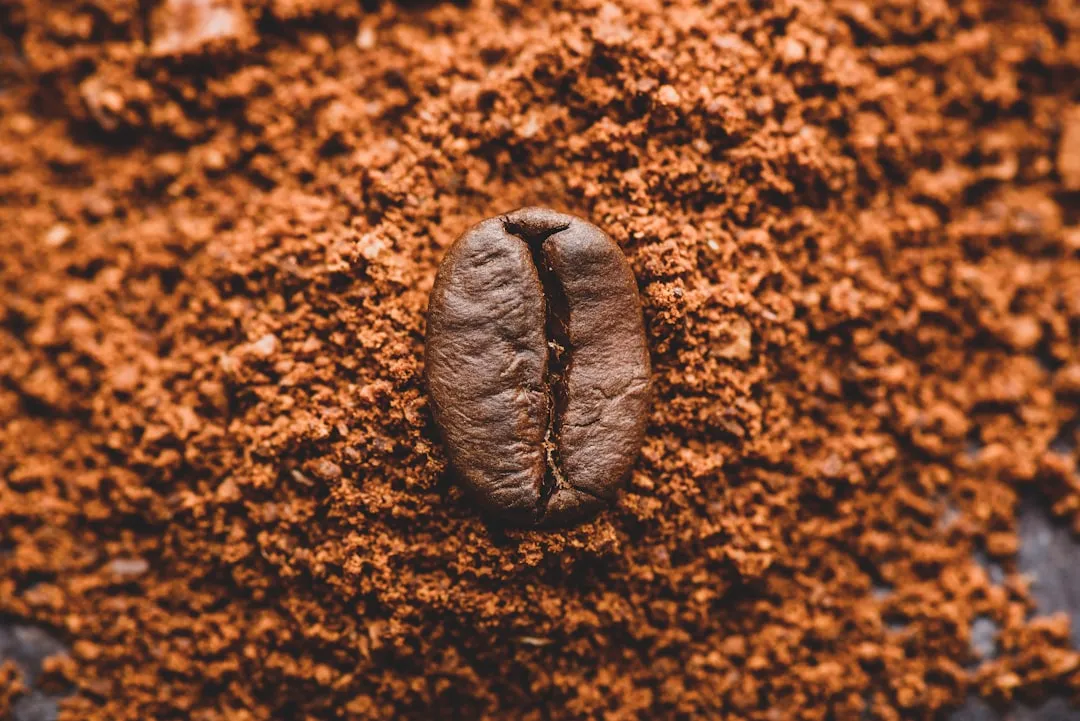
Coffee grounds are best at improving soil. As the coffee grounds feed the soil microbes, microbial glues are released that promote good soil structure and improve drainage. This is one of the most underappreciated benefits: better soil structure means roots can penetrate more easily and water distributes more evenly.
High organic matter also helps soil hold onto nutrients instead of letting them leach away with watering. Over time, as the grounds decompose, they contribute to a spongy, well-aerated soil texture that roots move through easily.
When using coffee grounds as a soil amendment, Oregon State University soil scientist Linda Brewer recommends working in a half inch to a depth of 4 inches. That’s a sensible limit to keep in mind before pouring a whole week’s worth of grounds onto one garden bed.
Attract and Support Earthworms
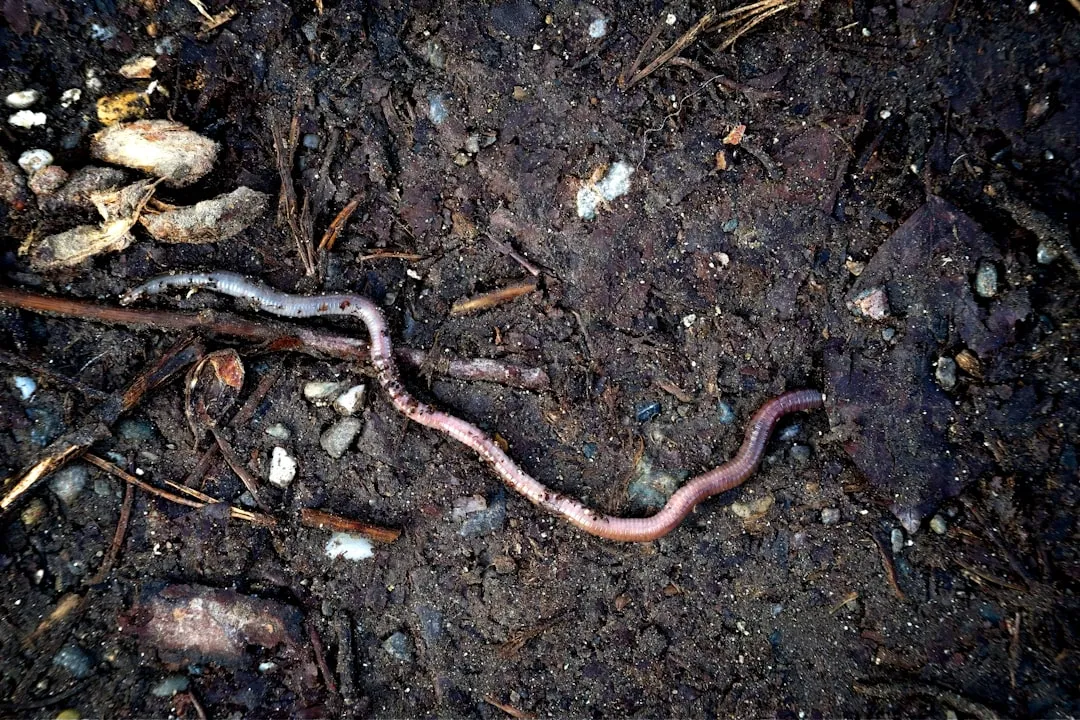
If you want more earthworms in your garden, coffee grounds are an effective lure. Research comparing earthworm activity in standard soil versus spent coffee grounds found that earthworms reproduced at higher rates in unwashed coffee grounds than in standard soil. More worms means more natural tunneling, which directly improves aeration and root access to nutrients.
Earthworms are detritivores, meaning their diet consists of decaying organic matter, and they prefer food that has already begun to decompose. The fine, granular texture of coffee grounds is readily accepted by worms, functioning as grit in their muscular gizzard. This grit aids in the mechanical breakdown of other food materials, facilitating digestion.
More earthworms means more natural soil aeration, better drainage, and faster nutrient cycling. Their castings are one of the best natural fertilizers available, so attracting them with coffee grounds creates a compounding benefit.
Use Them as a Slug and Snail Deterrent

Research shows that a 1 to 2 percent caffeine solution used as a soil drench caused all slugs to leave treated soil and die of caffeine poisoning. A 2 percent solution applied to orchid growing media killed the vast majority of snails – outperforming a common slug bait containing metaldehyde. That’s a striking result for something most people discard without a second thought.
To make a 1 to 2 percent soil drench, mix one part water with two parts strong brewed coffee. For foliar sprays, dilute further – nine parts water to one part brewed coffee – to reduce slug feeding on leaves.
This is one area where coffee grounds clearly outperform their reputation as a simple garden hack. The caffeine content does real, measurable work against common garden pests, without introducing synthetic chemicals into your soil.
Know the pH Reality Before You Apply
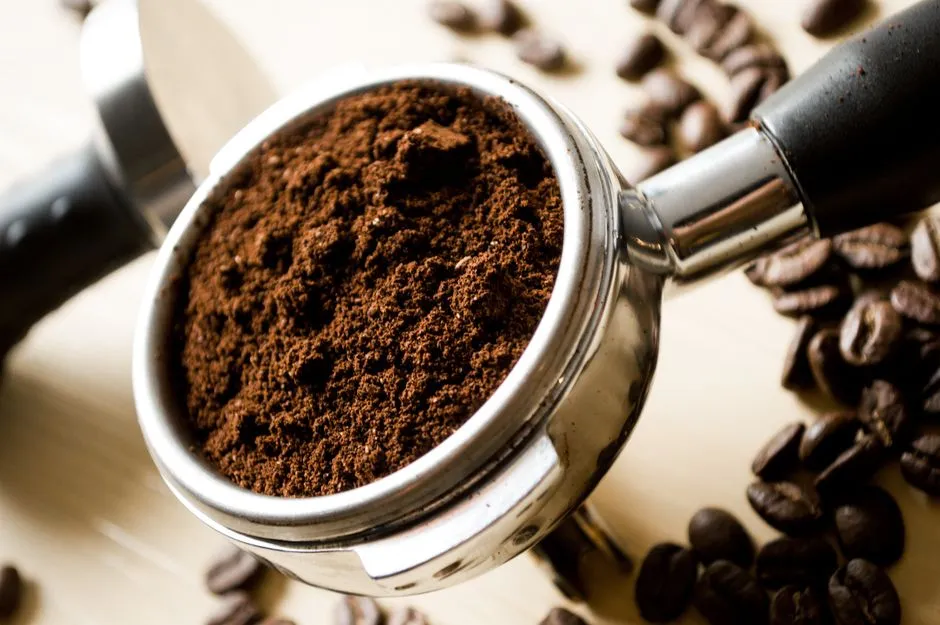
Contrary to popular belief, it’s a myth that coffee grounds are acidic and will lower the pH of the soil. After brewing, the grounds are close to pH neutral, between 6.5 and 6.8. This surprises a lot of gardeners who assume they’re working with something strongly acidic.
Fresh coffee grounds – unused and right out of the packaging – can dramatically lower soil pH and are not recommended for use as a fertilizer. A sudden decrease in pH can inhibit plant growth, harm beneficial micro-organisms in the soil, and keep the plant from taking up nutrients.
The brewing process reduces acidity and removes most of the caffeine. So always use spent, brewed grounds in your garden rather than fresh ones, and test your soil’s pH if you plan to use them regularly around sensitive plants.
Match Coffee Grounds to the Right Plants

Acidic-loving plants such as azaleas, blueberries, hydrangeas, rhododendrons, and roses will benefit from a sprinkling of coffee grounds around the base of plants. These plants already prefer slightly lower pH environments, so the mild acidity in used grounds supports rather than disrupts their ideal growing conditions.
Vegetable crops that may benefit from coffee grounds include carrots, cucumbers, peppers, potatoes, and radishes. These tend to appreciate the nitrogen and the improved soil texture that grounds contribute as they break down.
Since coffee grounds retain moisture, avoid using them on plants that prefer drier soil such as cacti and succulents. Applying them around drought-tolerant species can actually cause more harm than good by trapping too much water around shallow roots.
Don’t Overapply – The Risks Are Real
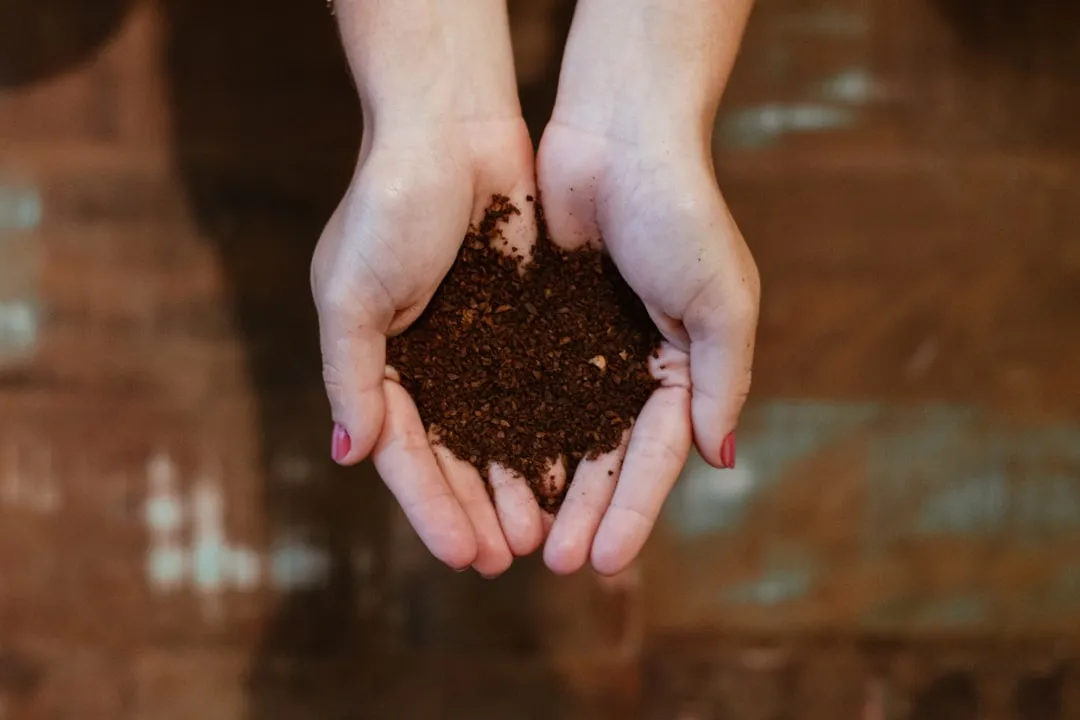
Excess coffee grounds, if applied to the soil before composting, have multiple effects on the soil system. In addition to microorganisms tying up nitrogen temporarily, the caffeine residues in the spent coffee grounds can suppress germination and slow the growth of some plants.
Germination tests showed that uncomposted coffee grounds added to soil at about one-fourth the volume produced poor germination and stunted growth in lettuce seed. They need to be composted before using near plants. That’s a clear caution for anyone planning to use grounds directly in a vegetable bed.
The composition of the compost pile should not exceed 20 percent coffee grounds by volume, or it can be toxic to plants. Moderation is the practical rule with this amendment – a little goes a long way.
Try Brewing a Compost Tea
There are three easy and effective ways to use coffee grounds to get nitrogen to plants: compost the spent grounds, make a compost tea from the spent grounds, or spread the spent grounds directly on the soil surface. Compost tea is the least discussed of these, but it’s worth trying for container plants or garden beds where you want a faster, more evenly distributed application.
To make a basic liquid feed, steep a couple of spoonfuls of grounds in water overnight and strain before applying. The resulting liquid carries dissolved nutrients directly to root zones without any risk of the grounds compacting on the surface or forming a crust.
Coffee grounds fuel beneficial soil microbes that form symbiotic relationships with earthworms. This thriving soil life bolsters plant resilience, disease resistance, and nutrient uptake. A liquid application delivers those microbial benefits more broadly across the root zone than a surface dressing alone.
Store Leftover Grounds Safely
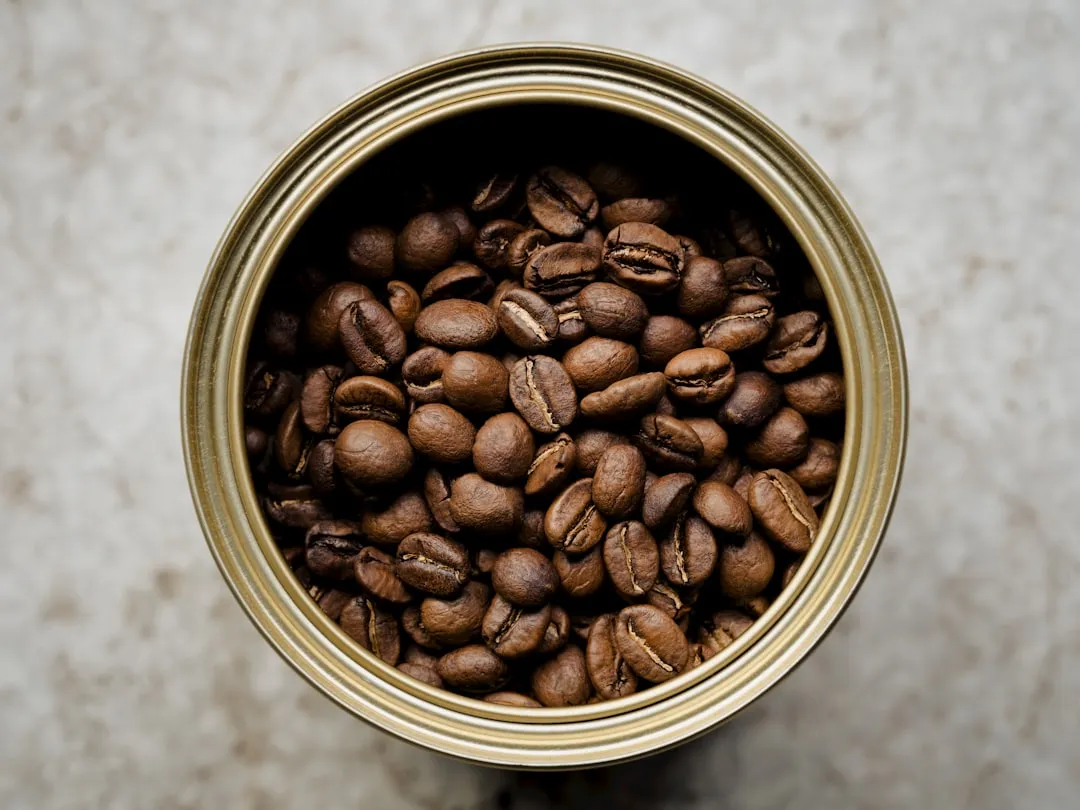
If you get coffee grounds from coffee shops, you can store them tightly covered until ready for use. Mold may grow on the grounds, but these can be composted, where the mold will contribute to decomposition. Mold isn’t necessarily a problem if the grounds are heading to a compost pile – it’s just part of the natural breakdown process starting early.
The only problem with having a container on the counter is that it will get moldy, so you will have to put the grounds out about every week. For home use, a small sealed container works well, as long as you turn it over to the garden or compost bin regularly.
Many local coffee shops are also happy to give away their spent grounds free of charge. It’s worth asking, especially if you have a large garden or want to build up compost quickly without generating all the material yourself.
Conclusion
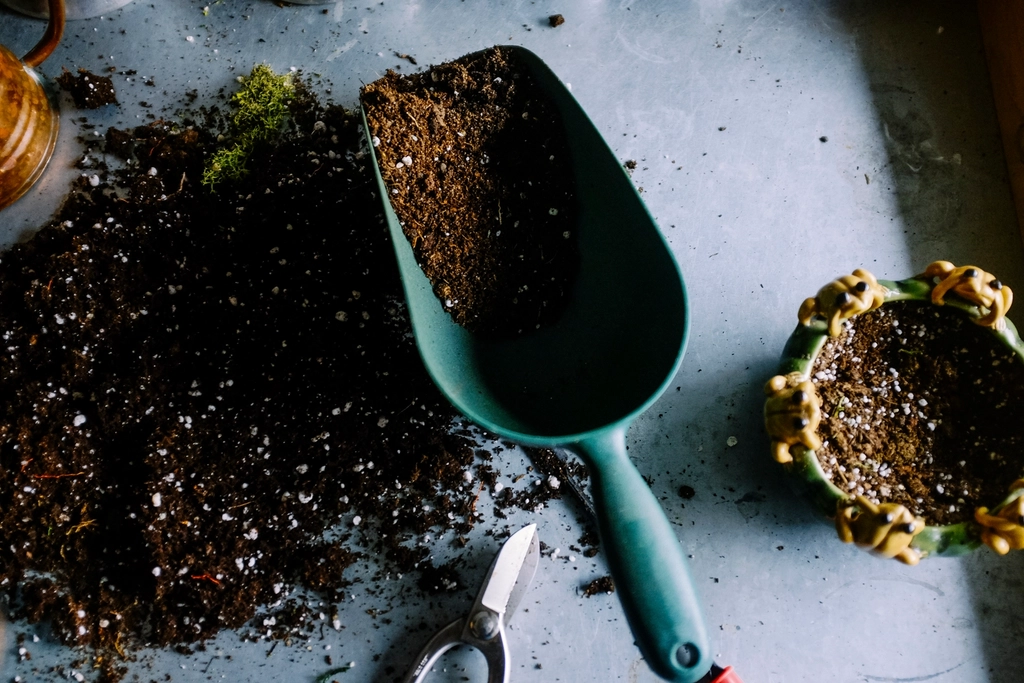
Used coffee grounds occupy an interesting space in the garden: genuinely useful, widely misunderstood, and easy to misuse. The recycling of spent coffee grounds has emerged as a promising sustainable nutrient source that reduces dependence on synthetic fertilizers. Studies demonstrate that their application improves plant growth and soil physicochemical properties, supporting circular resource use within agroecosystems.
The key takeaway from the research is restraint. Grounds work best when composted, mixed into soil at reasonable depths, and matched to plants that actually benefit from them. They won’t perform miracles on their own, but folded into a broader soil care routine, they’re a genuinely useful free amendment that most households throw away without a second thought.
The next time you finish a pot of coffee, pause before reaching for the bin. That small pile of wet grounds represents something your garden can actually use.
AI Disclaimer: This article was created with the assistance of AI tools and reviewed by a human editor.