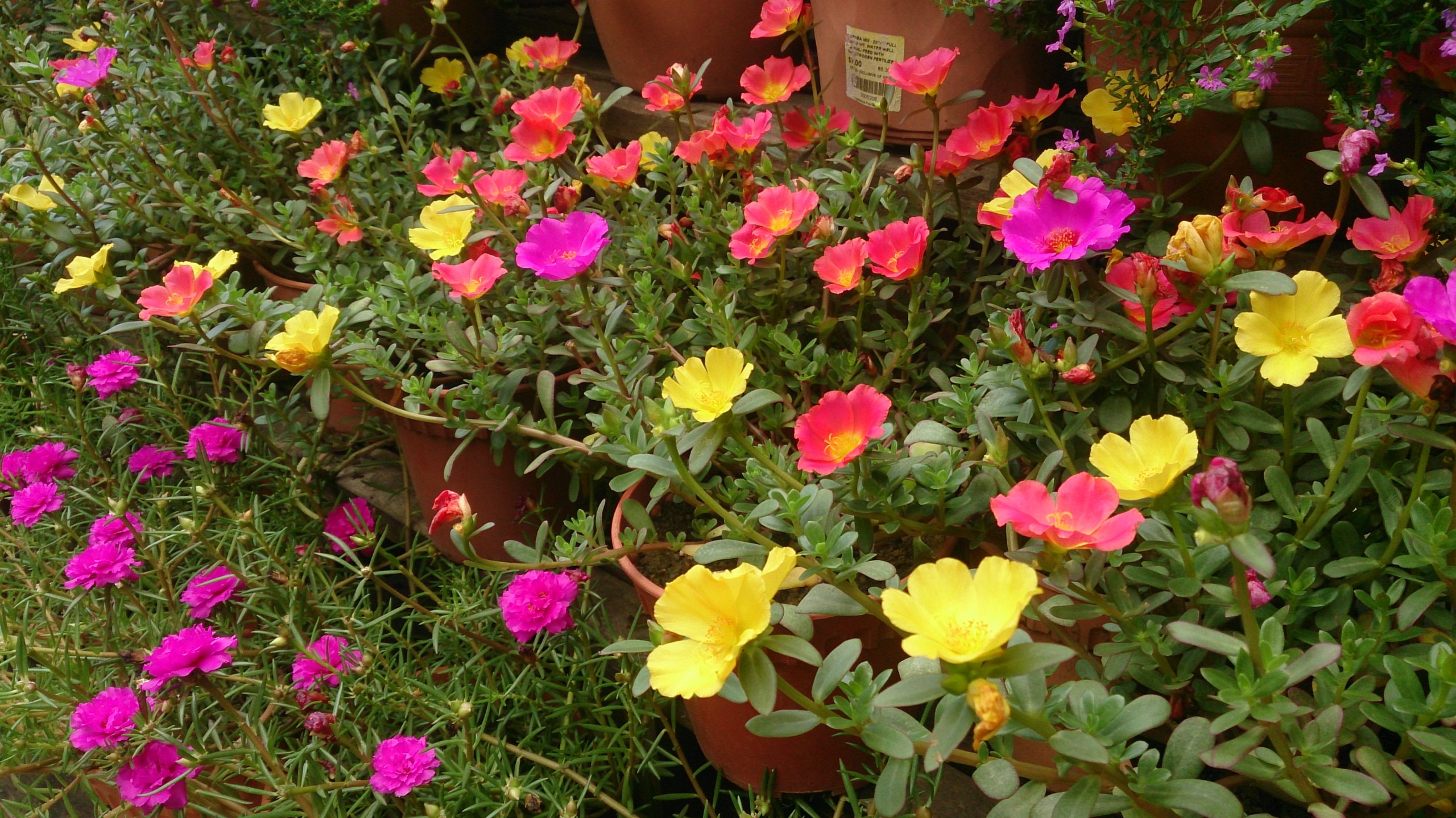

Gardening often involves a constant battle against weeds. Many gardeners instinctively pull out any plant they didn’t intentionally sow, striving to keep their gardens neat and tidy. However, not all weeds are bad. In fact, some can offer surprising benefits to your garden. One such beneficial weed is purslane (Portulaca oleracea). Instead of pulling it out, you might want to consider allowing this resilient plant to thrive.
In this article, we’ll explore the many advantages of keeping purslane in your garden. From its nutritional benefits to its role in soil health and pest control, purslane can be a valuable ally in your gardening efforts. Let’s dive into the reasons why you should think twice before pulling this common weed.
Nutritional Powerhouse

Purslane is a nutritional powerhouse, packed with vitamins and minerals that can boost your health. Native to Asia and Europe, this succulent plant is rich in omega-3 fatty acids, which are rare in plant sources. It also contains high levels of vitamins A, C, and E, as well as magnesium, potassium, and iron. Including purslane in your diet can provide essential nutrients and improve your overall well-being.
In many cultures, purslane is a prized ingredient in salads, soups, and stir-fries. Its slightly tangy and salty flavor adds a unique taste to dishes. By allowing purslane to grow in your garden, you have a readily available source of fresh, nutritious greens. Next time you see purslane sprouting, consider harvesting it for your kitchen instead of tossing it away.
Soil Health Booster
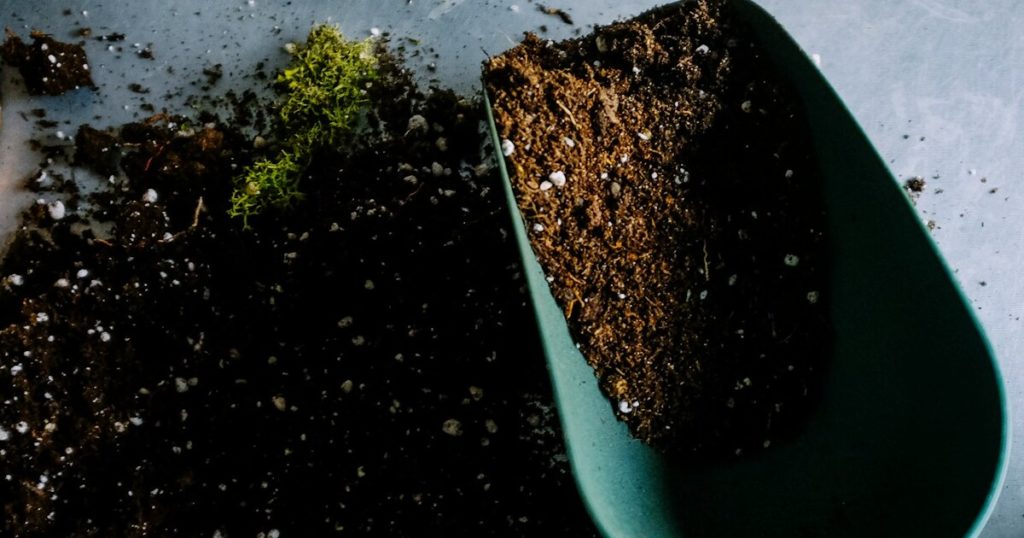
Purslane can also play a significant role in improving soil health. This weed is known for its deep taproots, which can break up compacted soil and improve aeration. The roots help to bring up nutrients from deeper soil layers, making them more available to other plants. This natural soil conditioning can be particularly beneficial in gardens with heavy, compacted soils.
Additionally, purslane is an excellent ground cover that helps retain soil moisture and prevent erosion. Its dense, low-growing habit protects the soil surface from the impact of heavy rains, reducing the risk of soil erosion. By allowing purslane to grow, you can enhance the overall health and structure of your garden soil, creating a more favorable environment for your cultivated plants.
Natural Mulch and Weed Suppressor

One of the practical benefits of purslane is its ability to act as a natural mulch and weed suppressor. Purslane grows quickly and forms a thick mat over the soil, which can help shade out other, more problematic weeds. This reduces the need for synthetic mulch and minimizes the labor involved in weed control.
By suppressing other weeds, purslane allows your desired plants to thrive without competition for resources. The natural mulch effect also helps retain soil moisture, reducing the need for frequent watering. Embracing purslane as a natural ground cover can lead to a healthier, low-maintenance garden.
Pollinator Attractor
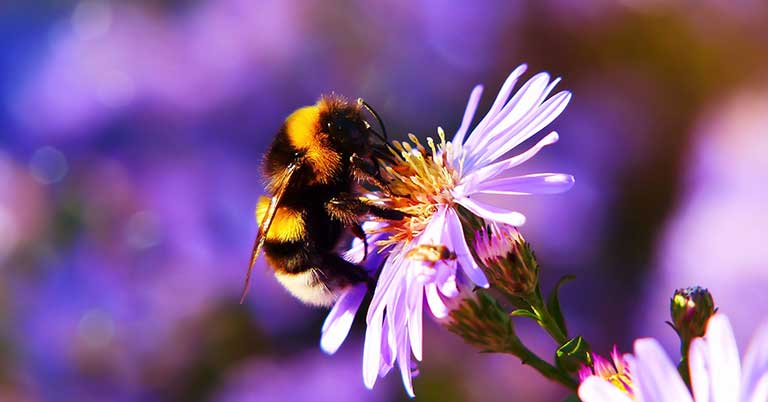
Purslane’s small, yellow flowers are not only pretty but also attract pollinators such as bees and butterflies. These beneficial insects are crucial for the pollination of many garden crops, leading to better fruit and vegetable yields. By allowing purslane to flower, you can support local pollinator populations and enhance the productivity of your garden.
Pollinators are essential for a thriving ecosystem, and having a variety of flowering plants like purslane can create a more biodiverse and resilient garden. The presence of these insects can also help control pest populations naturally, reducing the need for chemical pesticides. By fostering a pollinator-friendly environment, purslane contributes to the overall health of your garden.
Companion Plant Benefits
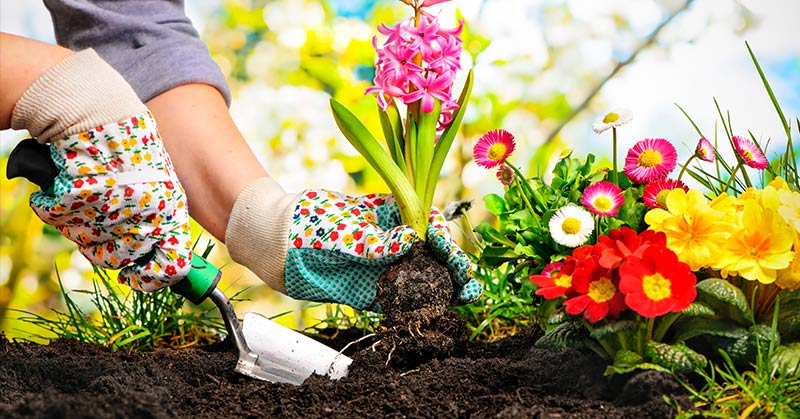
Purslane can serve as an excellent companion plant for many garden vegetables. Its presence can help deter certain pests that might otherwise target your crops. For example, purslane can attract aphids away from more vulnerable plants, acting as a sacrificial plant. Additionally, its dense growth can create a microclimate that benefits neighboring plants by keeping the soil cooler and moister.
The allelopathic properties of purslane, where it releases chemicals that inhibit the growth of certain weed species, can also help reduce competition for your garden plants. By strategically allowing purslane to grow among your vegetables, you can create a more balanced and supportive garden ecosystem.
Easy to Control
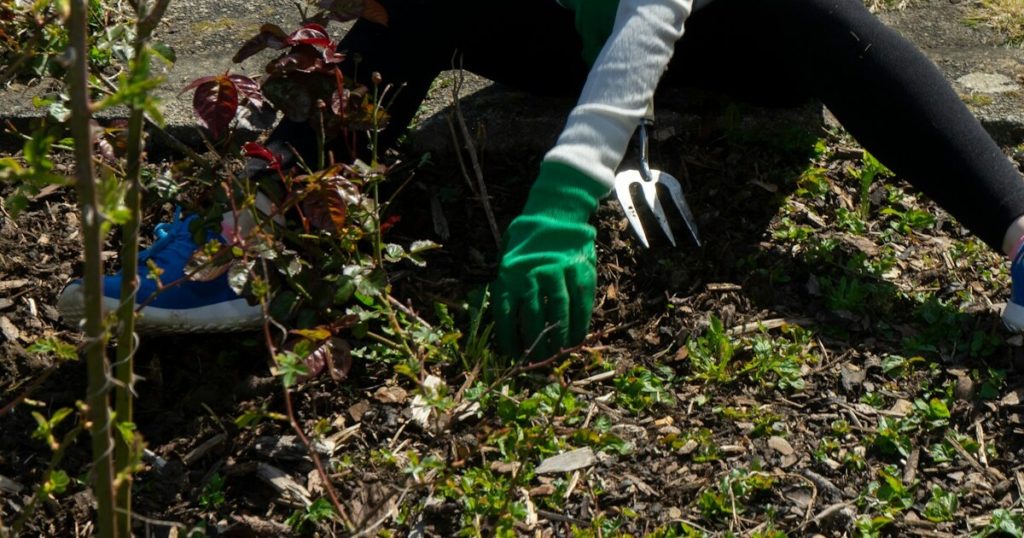
Unlike some invasive weeds, purslane is relatively easy to manage if it begins to grow too abundantly. Its shallow roots make it easy to pull out, and it doesn’t spread aggressively through rhizomes like other problematic weeds. If you ever feel that purslane is taking over more than you’d like, you can easily thin it out without much effort.
By periodically managing its growth, you can enjoy the benefits of purslane without letting it dominate your garden. This flexibility makes purslane a more desirable plant to keep around compared to other, more persistent weeds. Embracing purslane allows you to take advantage of its benefits while maintaining control over your garden space.
Culinary Uses
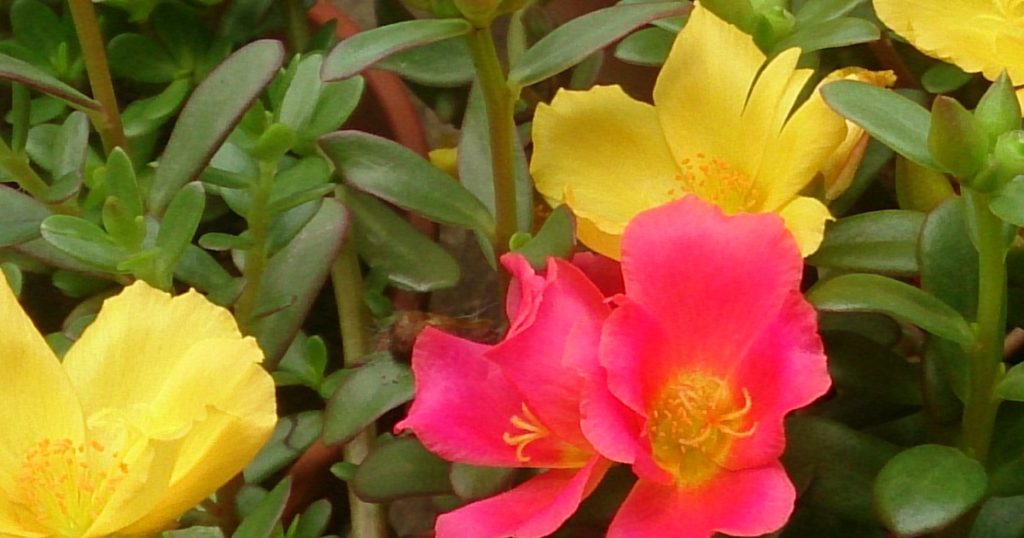
Beyond its nutritional value, purslane is incredibly versatile in the kitchen. Its crisp, succulent leaves can be used fresh in salads, added to soups for a nutritional boost, or even sautéed as a side dish. The stems are also edible and can add a crunchy texture to various dishes. Purslane’s culinary potential makes it a valuable addition to your garden, providing fresh ingredients for a variety of meals.
Exploring different ways to incorporate purslane into your diet can add diversity to your meals and introduce new flavors. With its ease of growth and abundance, purslane offers a readily available and sustainable food source right from your garden.
Promotes Biodiversity
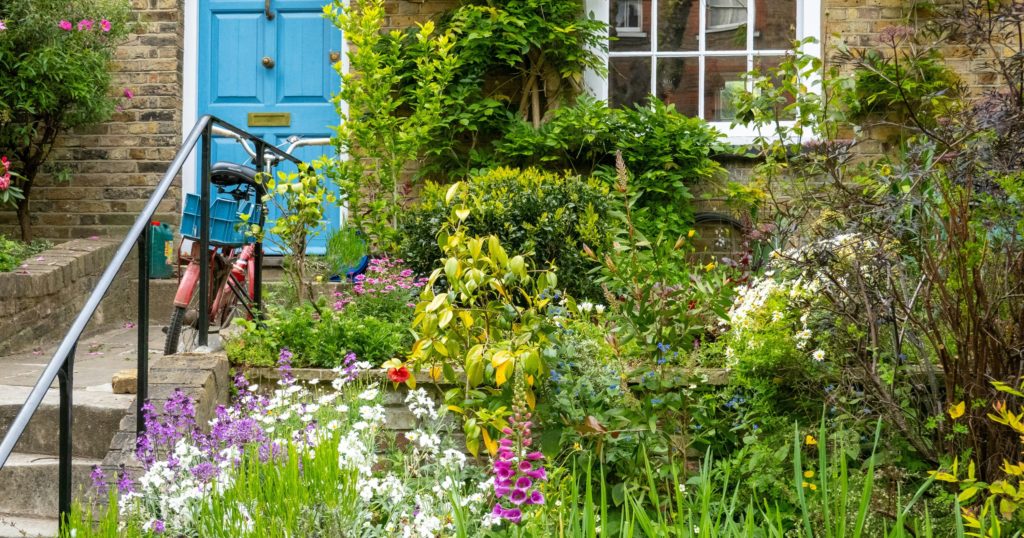
Allowing purslane to grow in your garden can contribute to greater biodiversity. This plant provides habitat and food for various insects and small animals, promoting a healthier and more balanced ecosystem. Biodiversity is essential for maintaining the resilience of your garden, as it helps control pest populations and supports a wide range of beneficial organisms.
A biodiverse garden is more adaptable to changing conditions and less likely to suffer from disease outbreaks or pest infestations. By fostering a diverse plant community that includes beneficial weeds like purslane, you create a more sustainable and robust garden environment.