
One of the quiet joys of gardening is when next year’s plants seem to appear as if by magic, without any extra work on your part. Self-seeding flowers can be a gift that keeps on giving, filling your beds with color while saving you time and money. But to let this happen, you have to resist the urge to cut back every faded bloom in the fall. I know how tempting it is to tidy up, especially when petals are dropping and seed heads look messy, but leaving them in place can set the stage for a beautiful, low-maintenance display next year.
When you give self-seeding plants the chance to drop their seeds naturally, you’re also supporting pollinators, birds, and other beneficial wildlife. Many species feed on or nest in the seed heads through the winter, which means your “untidy” garden is actually a thriving habitat. Some of these plants are prolific without becoming invasive, while others should be monitored in certain climates to prevent unwanted spread. Let’s walk through some favorites worth leaving alone so they can scatter their magic for another season of blooms.
Nigella (Love-in-a-Mist)

Nigella, native to southern Europe, North Africa, and Southwest Asia, is a delicate beauty with feathery foliage and unique seed pods. Those pods are as decorative as the flowers themselves, and if left alone, they’ll split open to drop seeds that germinate readily the following spring.
This plant isn’t considered invasive in most climates, but it will self-sow freely if happy. I’ve found that once Nigella establishes, it pops up in unexpected spots, creating charming drifts of blue, pink, or white blooms without any effort.
California Poppy
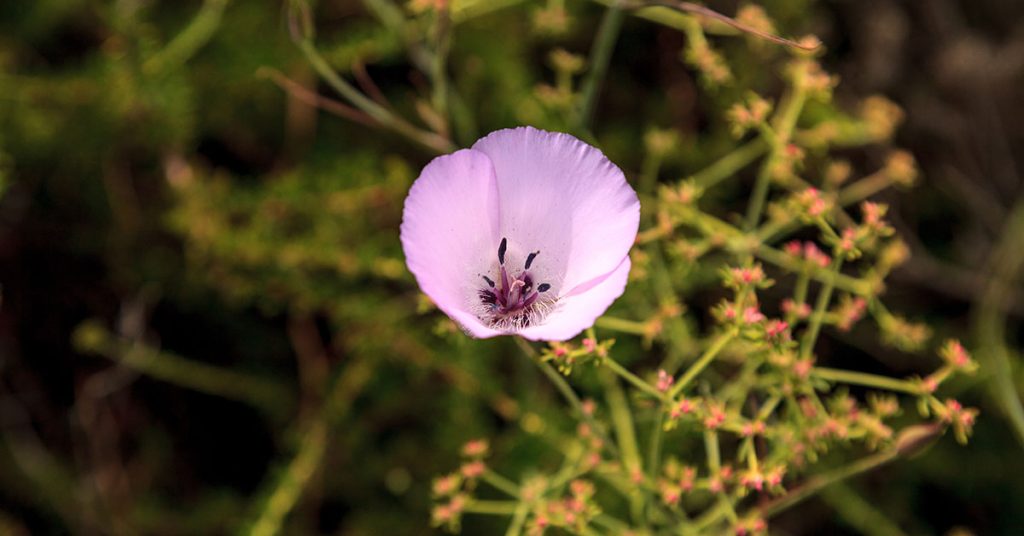
California poppies, native to the western United States, are drought-tolerant and thrive in poor soil. Their silky blooms fade to reveal plump seed pods that burst open when dry, scattering seeds over a wide area.
They’re not invasive in their native range but can naturalize in warm, dry climates. Leaving the pods on the plant ensures a cheerful carpet of orange, yellow, or cream flowers the following year.
Cosmos
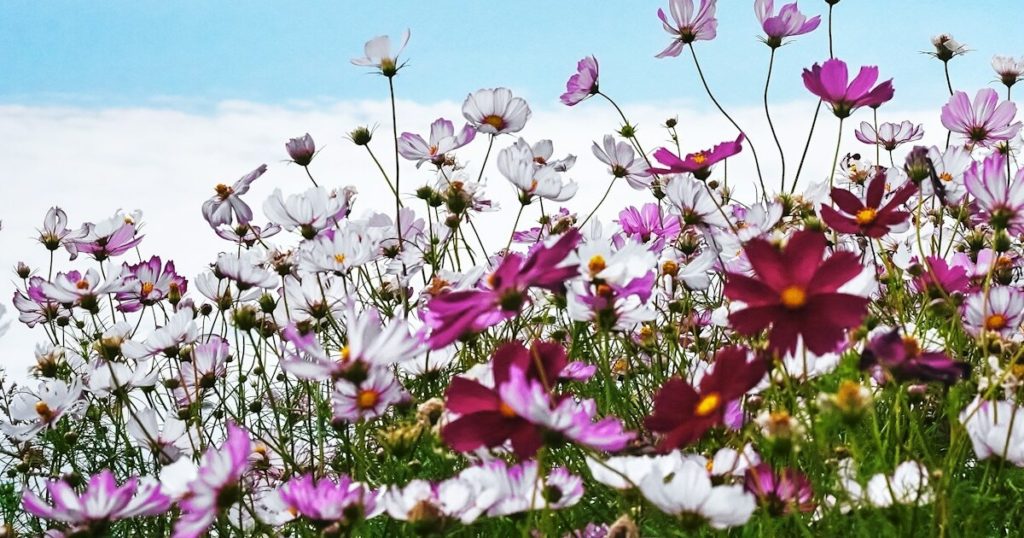
Cosmos, native to Mexico, are beloved for their airy growth and daisy-like flowers. The seeds are long, slender, and easy to recognize when the flower heads dry. Left alone, they drop generously into the soil, producing a fresh wave of blooms next season.
They aren’t invasive but will self-seed readily in well-draining soil. Their tall, swaying stems add movement to the garden, and the flowers draw in bees and butterflies well into fall.
Coneflower (Echinacea)

Coneflowers, native to North America, produce spiky seed heads that birds—especially goldfinches—love in winter. Those same seeds will also germinate if they fall onto bare soil, producing sturdy new plants.
They’re not invasive and tend to form naturalized patches over time. Leaving seed heads in place not only ensures more plants but also adds architectural interest to the winter garden.
Larkspur

Larkspur, native to the Mediterranean and parts of Asia, is a cool-season annual that readily self-sows if seeds are allowed to drop in late summer. The tall spikes produce papery seed pods that split open when dry.
They’re not invasive but can naturalize in mild climates, coming back each year without replanting. I love seeing the first larkspur seedlings emerge just as the weather begins to warm.
Calendula

Calendula, native to southern Europe, produces crescent-shaped seeds that form quickly after blooms fade. These seeds can germinate in fall in mild climates or wait until spring in colder regions.
Calendula isn’t invasive but will happily pop up in garden beds and even gravel paths. The bonus? Its flowers are edible and attract pollinators throughout the season.
Black-Eyed Susan (Rudbeckia hirta)

Black-eyed Susans, native to North America, form cone-shaped seed heads that hold hundreds of seeds. Birds feed on them, but plenty will drop to the soil and sprout the following year.
They aren’t invasive but will expand their clumps over time. Leaving seed heads standing also adds winter interest and supports wildlife.
Cleome (Spider Flower)
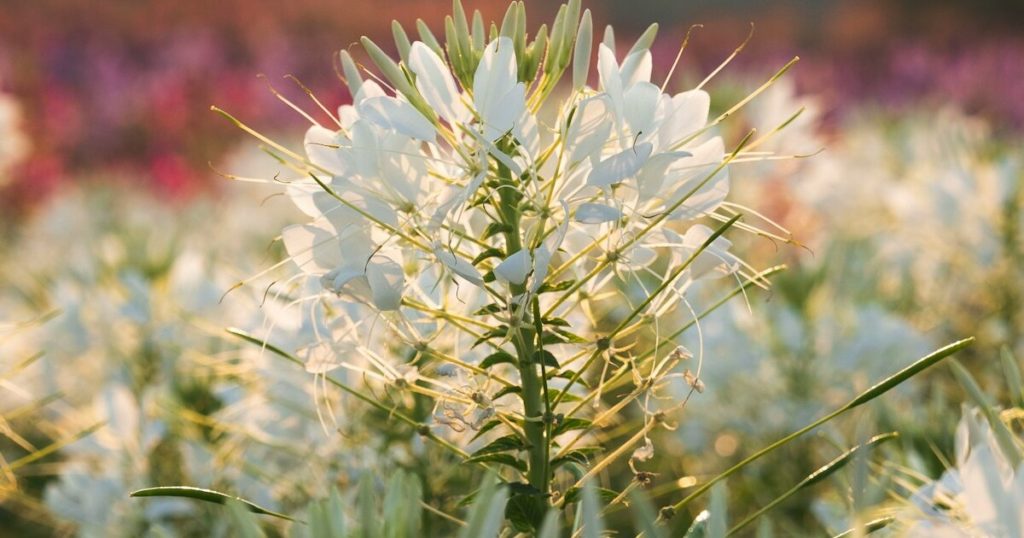
Cleome, native to South America, is a tall, dramatic plant with seed pods that split open to release dozens of seeds. These can germinate the following spring without any help from you.
In warm climates, cleome can become aggressive, so monitor its spread. In cooler areas, it’s a generous self-seeder that fills in gaps with ease.
Bachelor’s Buttons (Cornflower)
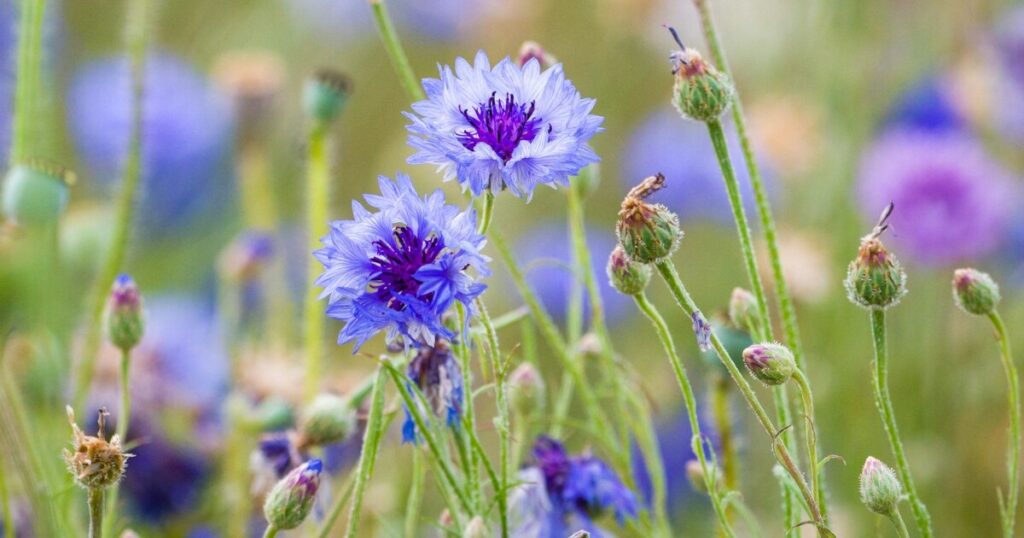
Bachelor’s buttons, native to Europe, have papery seed heads that dry beautifully in late summer. The seeds fall easily, often germinating before winter or waiting until spring.
They aren’t invasive but can naturalize in the right conditions, providing a charming meadow-like look year after year. Bees and butterflies can’t resist them when in bloom.
Poppies (Papaver species)
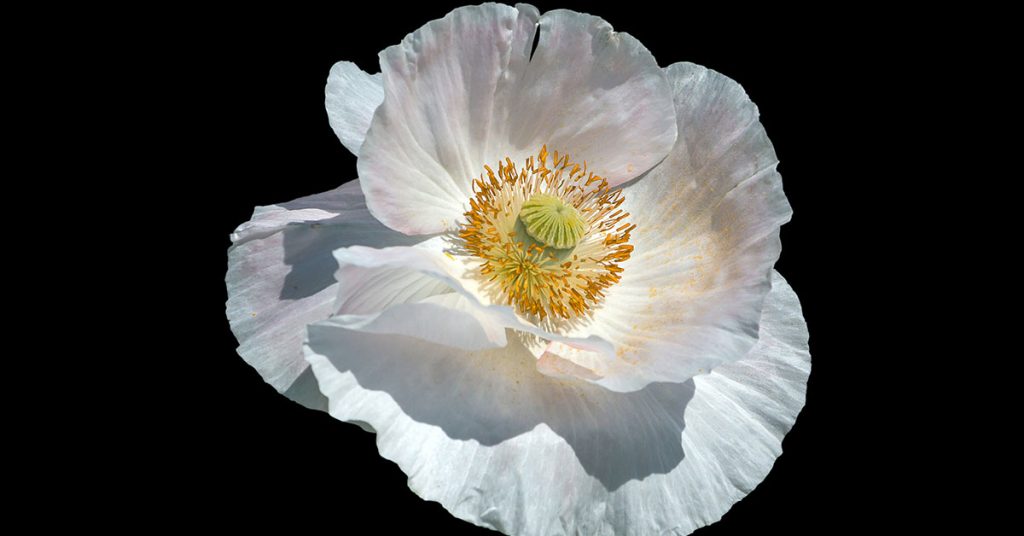
Poppies, native to various regions across Europe and Asia, produce iconic pods filled with hundreds of tiny seeds. When the pods dry, they release seeds through small openings at the top, scattering them with the wind.
They’re not invasive but can reseed prolifically. I adore how they appear in surprising places, adding bursts of color in early summer.
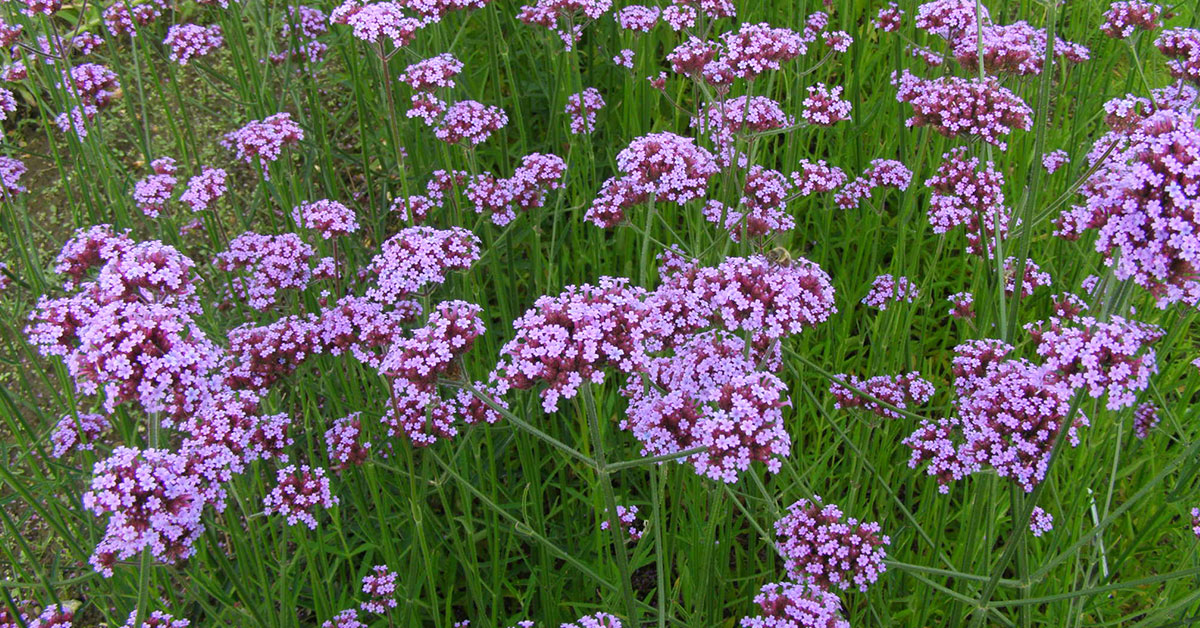
Verbena bonariensis
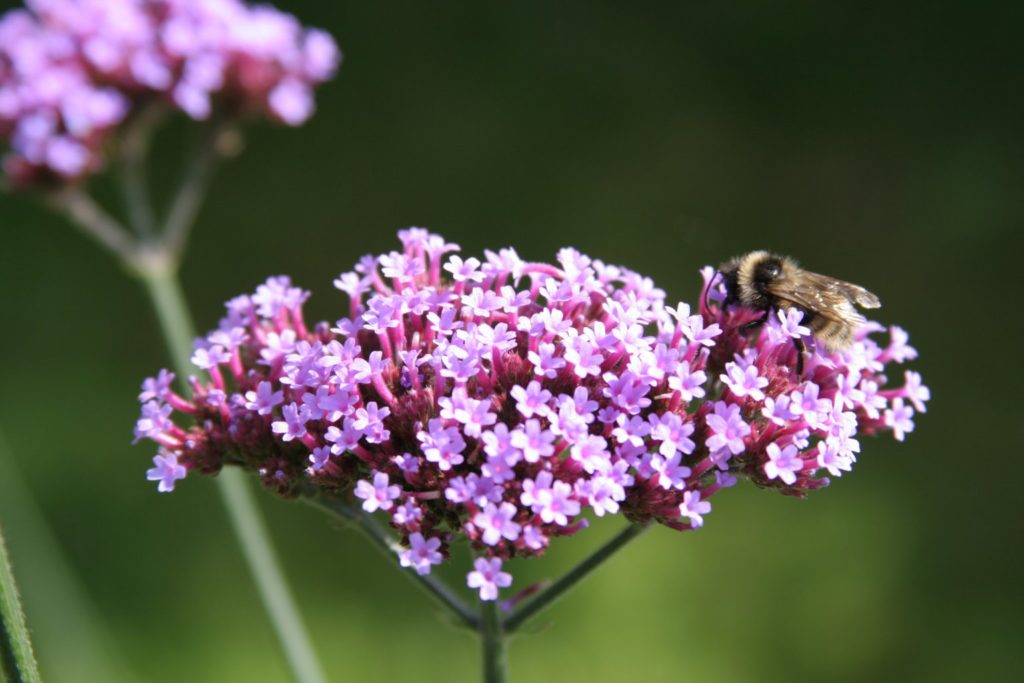
Verbena bonariensis, native to South America, is a tall, airy perennial that self-seeds reliably. Its tiny seeds fall from dried flower clusters and germinate in spring.
While it can be mildly invasive in some warm climates, it’s generally well-behaved and loved for attracting pollinators. Its purple blooms float above other plants, creating a layered garden effect.
Sweet Alyssum
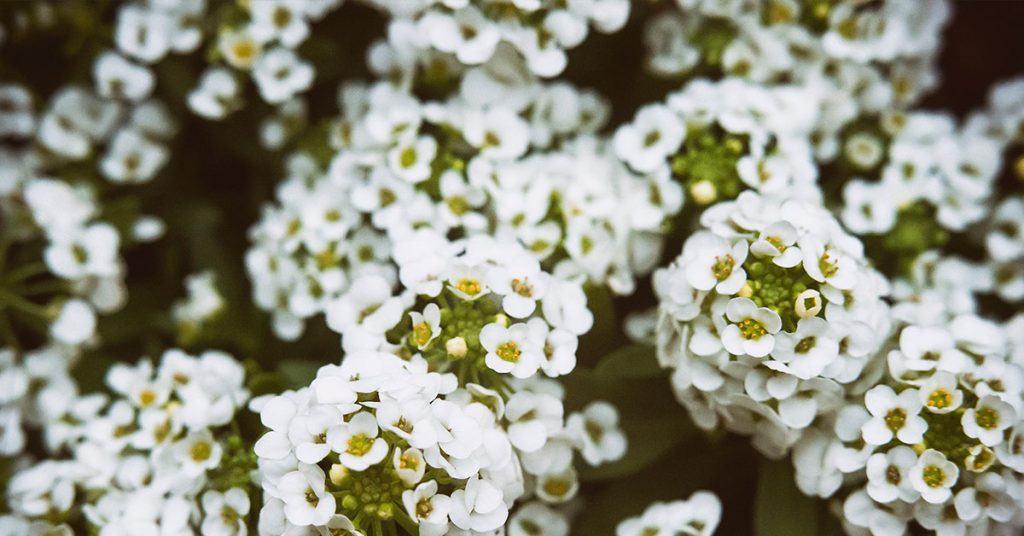
Sweet alyssum, native to the Mediterranean, forms delicate clusters of fragrant flowers that quickly set seed. In mild climates, it can bloom year-round and reseed constantly.
It’s not considered invasive but can become a steady garden companion, filling in edges and gaps. Its sweet scent and pollinator appeal make it worth keeping in your self-seeding roster.