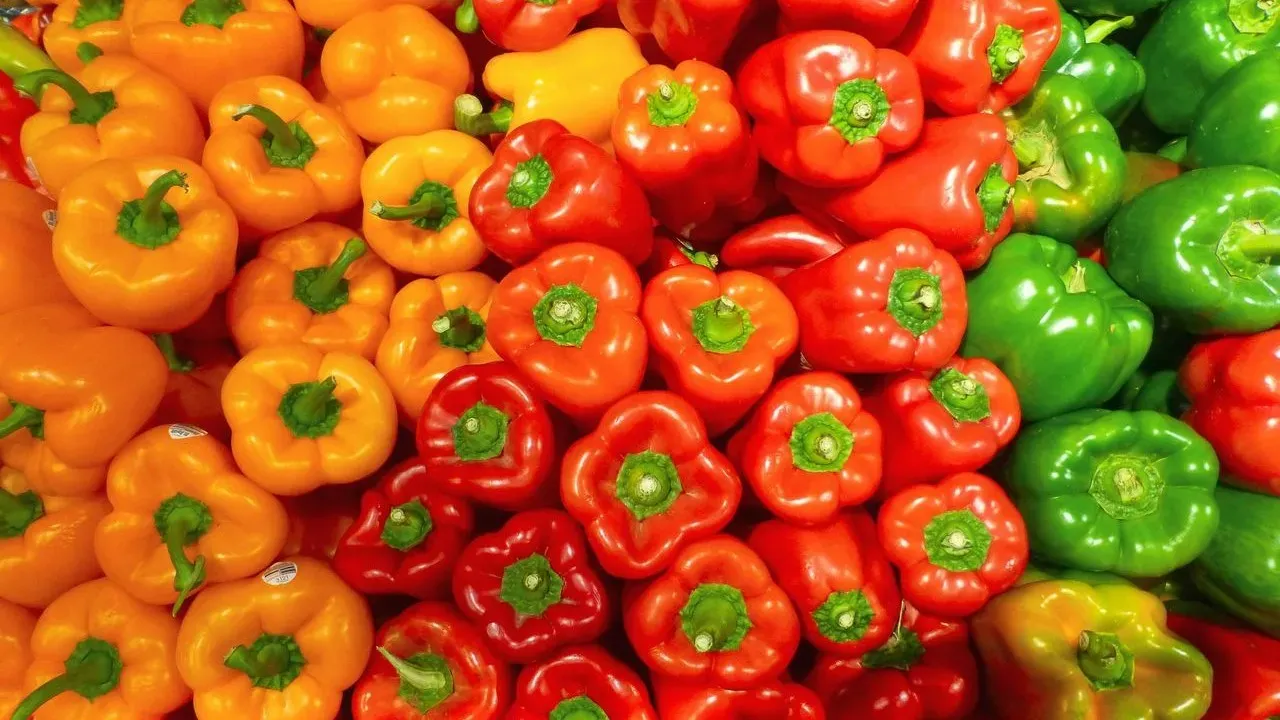

Gardeners across many regions reach the close of pepper season in late October, when the final fruits ripen and the first frost threatens. Rather than discarding the seeds inside those peppers, many are turning to a straightforward preservation process that can yield free plants the following year. The approach requires attention to a few biological details, yet it rewards careful gardeners with varieties suited to their own growing conditions. The method draws from established practices outlined by Savvy Gardening.
Why Saving Seeds Matters at Season’s End
The practical payoff begins with cost. Commercial seed packets add up quickly when a gardener wants several pepper varieties. Saving seeds from this year’s crop reduces that expense and allows the same successful plants to return without another purchase. Beyond the budget, saved seeds can carry forward traits that performed well in a specific yard or microclimate. Selecting from the healthiest, most productive plants helps maintain lines adapted to local soil, sunlight, and pests. Gardeners who share seeds with neighbors also gain access to new varieties through swaps, expanding options without additional spending.
The Hidden Variable: Cross-Pollination and True-to-Type Results
Pepper flowers contain both male and female parts and can self-pollinate without insects. Still, wind or visiting bees can transfer pollen between different varieties planted nearby. The current season’s fruit remains unaffected, yet the seeds inside may produce offspring that differ from the parent plant. A bell pepper grown near a hot variety, for example, can yield seeds that produce milder or spicier fruit the next year. Two distinct bell pepper types can likewise mix, creating unpredictable new hybrids. Gardeners who want predictable results must isolate varieties during flowering.
Practical Isolation Techniques for Home Gardens
Full commercial isolation calls for substantial distance, often a quarter mile. Home gardeners have simpler options. Insect netting draped over an entire plant or group of the same variety keeps stray pollen out while still allowing the plant to set fruit. For even tighter control, small mesh bags placed over individual flower buds before they open ensure self-pollination. Once the fruit begins to form, the bag can be removed and the pepper tagged for later harvest. Using at least two fruits per variety improves the odds of obtaining viable, representative seeds.
Harvest, Extraction, and Storage Steps
Only fully mature peppers yield reliable seeds. Fruits should reach their final color and size, and many experts wait until the pepper is very ripe, even beginning to soften. Harvest before frost arrives. Cut or tear the pepper open over a tray and scrape the seeds free. Rinse if needed to remove clinging flesh, then spread the seeds on a coffee filter or screen in a well-ventilated spot. Turn them every few days until completely dry. Store labeled packets in a cool, dry location; a small desiccant packet can help maintain low moisture. Before planting the following spring, a simple germination test confirms viability. Ten seeds placed on a damp paper towel inside a sealed bag, kept warm for two weeks, reveal the percentage that sprout and indicate how many saved seeds will perform well. The process adds a modest layer of planning to the pepper harvest, yet it converts what would otherwise be kitchen waste into a reliable supply of plants for the next growing season.
AI Disclaimer: This article was created with the assistance of AI tools and reviewed by a human editor.