
Queensland, Australia – Researchers have captured the first published footage of dolphins on the country’s east coast using empty seashells to catch their prey. The behavior, known as shelling, shows the animals chasing fish into large snail shells before shaking them out at the surface. The discovery highlights a rare form of tool use in marine mammals and has excited scientists studying local populations in the Great Sandy Marine Park.
A Surprising Moment on the Water
During routine observations in Hervey Bay, a team from the University of the Sunshine Coast spotted a female dolphin lifting a large shell from the water. The animal then tipped it to release a trapped fish directly into its mouth. The sighting marked the first visual record of this technique in the region, where it had not been documented before despite earlier reports from western Australia.
Team member Levengood described the instant recognition. She noted that the second she saw the shell in the air, she knew exactly what was happening. Her excitement led her to shout to students on the boat as the group witnessed the event unfold in real time.
How the Technique Works
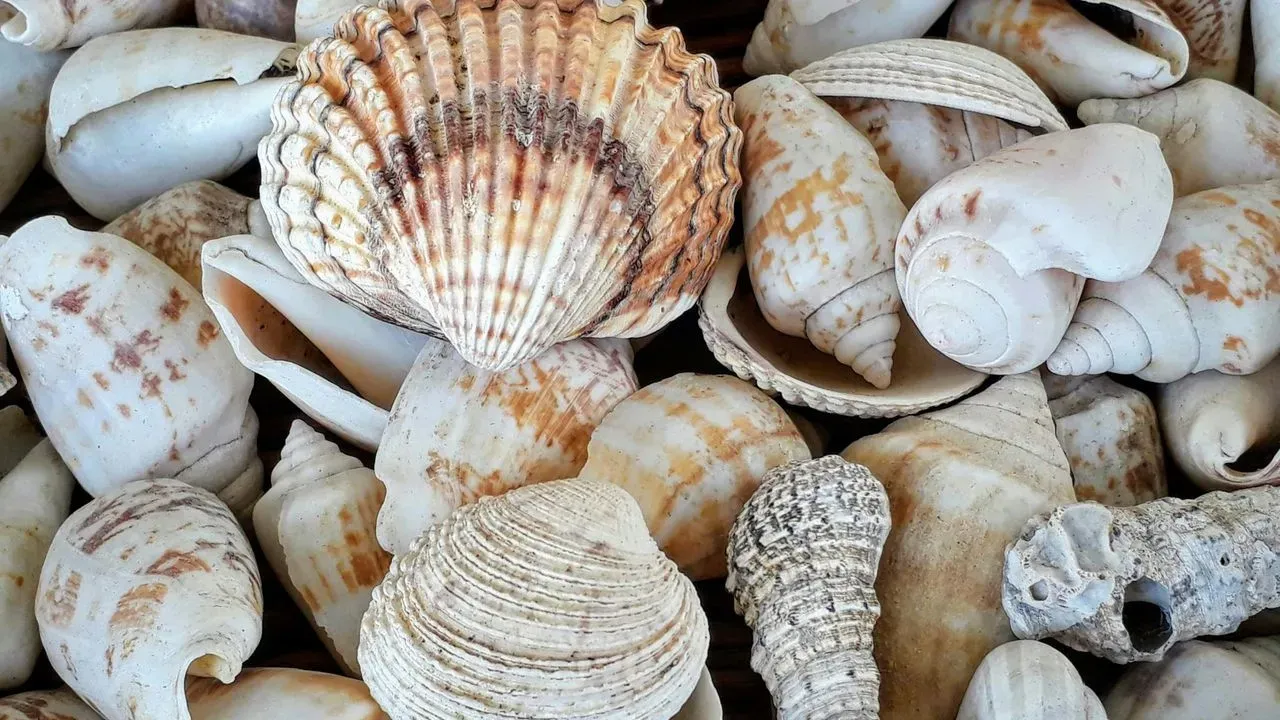
Shelling begins when a dolphin herds a fish into an empty sea snail shell resting on the seabed. The dolphin then carries the shell to the surface and shakes it upside down, allowing the fish to slide out. Observers recorded two separate instances of the behavior during the recent fieldwork.
The method requires precise coordination and an understanding of the shell’s shape and buoyancy. Researchers noted that the dolphins appear to select shells large enough to hold prey yet manageable to carry. Such targeted actions point to learned skills rather than random chance.
Signs of Cultural Transmission
Evidence suggests the skill may pass from mothers to calves. Similar tool-use behaviors in other dolphin populations have shown young animals watching and imitating adults. The new footage raises the possibility that east-coast groups are developing or maintaining their own traditions around shelling.
Scientists emphasize that continued monitoring will help determine how widespread the practice has become. Further drone and boat-based observations could reveal whether the behavior occurs in additional pods or remains limited to specific family lines.
The second I saw that shell in the air, I immediately knew what was happening. I was screaming to the students that were on the boat with me in excitement, because I was just so excited that we were actually witnessing this here on the east coast.
AI Disclaimer: This article was created with the assistance of AI tools and reviewed by a human editor.