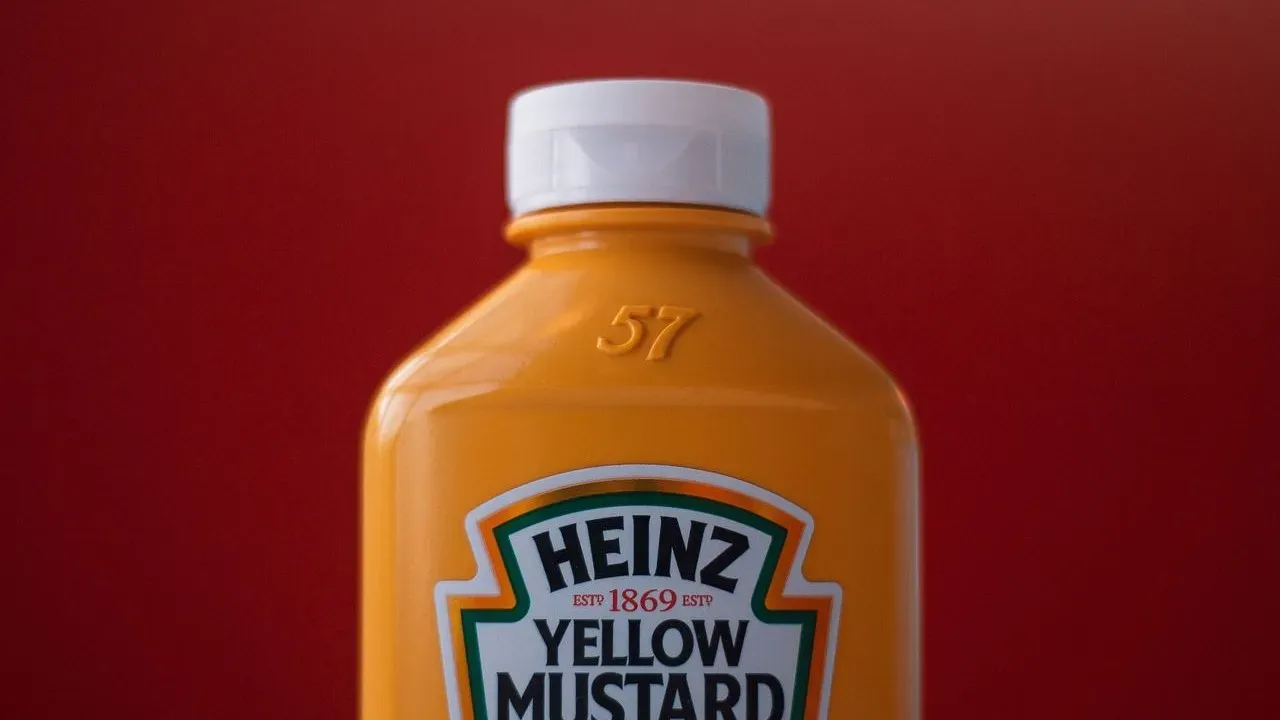

You reach for the familiar bottle on the grocery shelf, bring it home, and pour it over dinner without a second thought. Yet the question lingers for many home cooks: should that bottle move straight into the refrigerator, or does it belong in the pantry like other staples? The answer hinges on whether the seal remains intact, a distinction that affects storage decisions in kitchens across the country.
Why an Unopened Bottle Stays on the Shelf
Heinz 57 reaches store shelves at room temperature because its formulation resists spoilage on its own. Vinegar provides the necessary acidity, while tomato solids, sugar, salt, and the preservatives sodium benzoate and potassium sorbate create an environment where most bacteria struggle to grow. This approach mirrors the design behind ketchup and similar condiments that share the same aisle. An unopened bottle therefore remains stable in a cool, dry pantry away from heat and sunlight. The label date serves as the primary guide for how long it can stay there safely. Refrigeration before opening offers no real advantage and is unnecessary under normal conditions.
What Changes Once the Seal Breaks
Opening the bottle introduces air and repeated exposure that gradually affect flavor and color over time. Refrigeration after opening slows those changes and helps preserve the sauce at its best, even though the core ingredients continue to offer protection against rapid spoilage. Manufacturers of comparable products, including A1 sauce from the same company, print a clear “refrigerate after opening” instruction on the label. Heinz 57 follows the same pattern according to multiple consumer reports that examined the physical bottles. The recommendation centers on quality rather than immediate safety concerns.
How Variants and Similar Sauces Fit the Pattern
Kraft Heinz produces several versions of the sauce, including one that incorporates Lea & Perrins Worcestershire and a spicier “Hot” option. Each carries its own ingredient list, so the safest step remains checking the specific bottle for any unique directions. The classic tomato-and-vinegar base shared with ketchup and A1 sauce explains why the same storage logic applies across the category. Brief periods at room temperature during a meal or cookout present little risk, yet returning the bottle to the refrigerator promptly remains the better habit for maintaining taste.
Simple Storage Habits That Protect Flavor
A few consistent practices keep the sauce in good condition without extra effort:
- Store unopened bottles in a pantry spot that stays cool and dark.
- Move the bottle to the refrigerator immediately after first use and keep the cap tightly closed.
- Choose an interior shelf over the door for steadier temperatures once opened.
- Inspect the sauce before each use and discard it if color, smell, or texture seems off.
These steps align with the broader guidance given for vinegar-based condiments and require no special equipment. The everyday decision about where to keep Heinz 57 ultimately comes down to timing. An unopened bottle rewards the simplest pantry storage, while an opened one benefits from the refrigerator to hold onto its intended character meal after meal.
AI Disclaimer: This article was created with the assistance of AI tools and reviewed by a human editor.