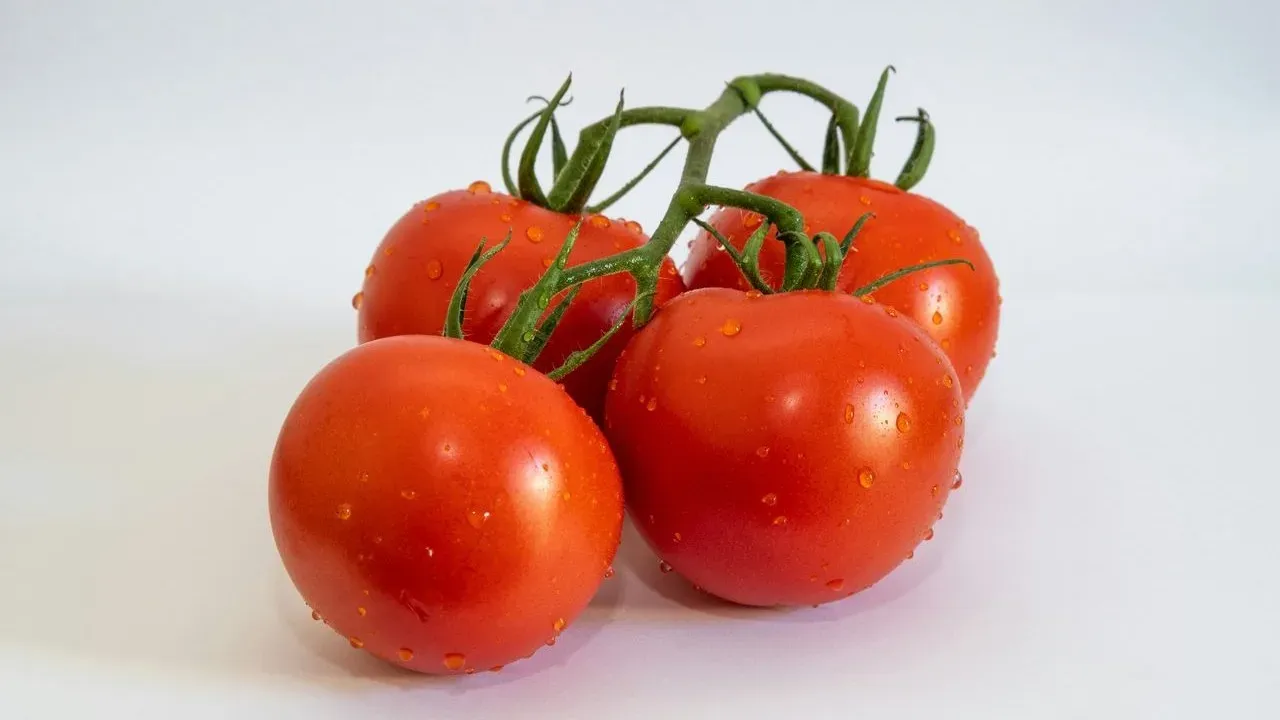

Gardeners often reach for Epsom salt when tomato plants show yellowing leaves or disappointing fruit set, hoping the mineral boost will turn things around. The approach stems from the fact that Epsom salt supplies magnesium, a nutrient tied to chlorophyll production and photosynthesis. Yet results hinge on whether the soil actually lacks that element, and many applications deliver little or no improvement. The original discussion of the practice appeared on Homestead Gardener. ([1])
The Specific Role of Magnesium in Tomato Health
Magnesium sits at the center of every chlorophyll molecule, so a shortage quickly shows up as interveinal chlorosis: older leaves turn yellow between the veins while the veins themselves stay green. Tomato plants draw on the nutrient steadily during the growing season, and sandy or heavily leached soils lose it faster than heavier clays. When levels drop too low, photosynthesis slows, growth stalls, and fruit production can suffer. Correcting a confirmed shortage restores the green color and supports normal leaf function, but the fix works only when the deficiency exists.
Why the Remedy Falls Short in Most Gardens
Research from university extension services and field trials has repeatedly found that Epsom salt does not increase yields or improve fruit quality in soils that already contain adequate magnesium. Studies at institutions such as Auburn University and Delaware Valley College showed no consistent growth or harvest gains for tomatoes, peppers, or roses when the mineral was added without need. Many home gardens receive enough magnesium through compost, manure, or native soil minerals, so routine additions simply sit unused or create imbalances. Over-application can also interfere with calcium uptake, raising the risk of blossom end rot rather than preventing it.
Recognizing When a Deficiency Is Likely
Certain conditions raise the chance that magnesium is limiting. Gardeners working with sandy soils, low-pH beds, or plots that have received heavy potassium fertilizers sometimes see the classic yellowing pattern. Container-grown tomatoes in older potting mixes can also run low after repeated watering leaches nutrients. In these situations a targeted correction may help, yet the only reliable way to know is a soil test. Extension services and commercial labs provide inexpensive analyses that measure magnesium alongside other key elements. – Pale or mottled older leaves with green veins
– Stunted growth despite regular watering and feeding
– Reduced flowering or small fruit on otherwise healthy-looking plants
– Previous crops in the same spot showed similar symptoms
Targeted Use When Tests Confirm the Need
If a soil test returns low magnesium readings, a measured application can restore balance without excess. One tablespoon of Epsom salt dissolved in a gallon of water applied as a soil drench or foliar spray once or twice during the season supplies the missing nutrient. Foliar sprays often show visible greening within a few days because leaves absorb the mineral directly. Once levels normalize, further additions are unnecessary and may do more harm than good. Consistent watering, balanced organic matter, and proper spacing remain the foundation of productive tomato plants. Many gardeners achieve stronger results by addressing the full picture of soil fertility and moisture rather than relying on a single additive. Soil testing removes the guesswork and prevents the common mistake of treating symptoms that stem from other causes.
AI Disclaimer: This article was created with the assistance of AI tools and reviewed by a human editor.