

The Christmas Cactus, native to the coastal mountains of southeastern Brazil, is a beloved houseplant known for its vibrant, festive blooms that appear just in time for the holiday season. With proper care and attention, you can encourage your Christmas Cactus to produce an abundance of beautiful flowers. July is a crucial month for preparing your Christmas Cactus for a spectacular winter display. As a gardener who adores these plants, I’m excited to share some essential tips to help your Christmas Cactus bloom like crazy this holiday season.
In this article, I’ll provide detailed advice on what you should do in July to ensure your Christmas Cactus thrives and produces a stunning display of flowers. From adjusting watering habits to managing light exposure, these tips will help you create the perfect conditions for your plant. Let’s dive in and discover how to get the best out of your Christmas Cactus!
Read More: 9 Tips For Getting Your Christmas Cactus To Bloom
Adjust Watering Habits

One of the most important things you can do in July to prepare your Christmas Cactus for blooming is to adjust your watering habits. During the summer months, Christmas Cactus enters a period of active growth and needs more water than in the winter. Ensure the soil stays consistently moist but not waterlogged. Water the plant thoroughly, allowing the excess water to drain out, and avoid letting the plant sit in standing water.
As you water, remember that the Christmas Cactus prefers humidity. If your home is particularly dry, consider misting the plant regularly or placing a tray of water nearby to increase humidity levels. Proper watering and humidity will ensure that your plant remains healthy and robust, setting the stage for a bountiful bloom in the winter.
Provide Adequate Light

In July, your Christmas Cactus will benefit from increased light exposure. However, direct sunlight can be too intense and may scorch the leaves. Place your plant in a location where it receives bright, indirect light. An east or north-facing window is ideal, as it provides gentle morning light without the harsh afternoon sun.
If your home doesn’t have an ideal spot, you can use sheer curtains to filter the light or place the plant a few feet away from a bright window. Ensuring your Christmas Cactus gets the right amount of light will help it develop strong, healthy foliage and prepare for an impressive display of blooms.
Read More: How to Propagate a Christmas Cactus
Fertilize Regularly
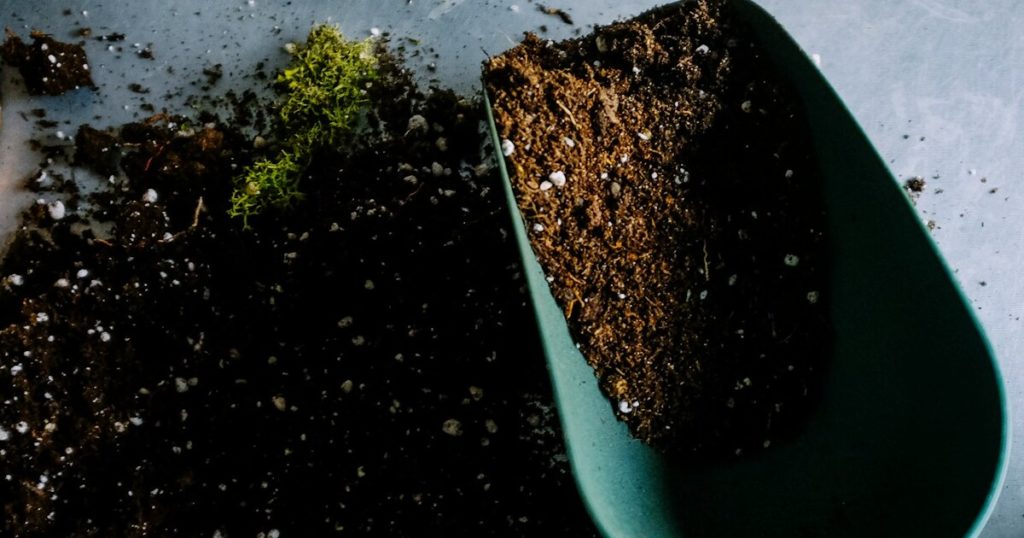
July is the perfect time to start fertilizing your Christmas Cactus to encourage strong growth and vibrant blooms. Use a balanced, water-soluble fertilizer every two to four weeks. Look for a fertilizer with equal parts nitrogen, phosphorus, and potassium, such as a 20-20-20 formula, to promote overall plant health.
Be sure to dilute the fertilizer to half the recommended strength to avoid over-fertilizing, which can damage the plant. Regular fertilization will provide your Christmas Cactus with the essential nutrients it needs to produce an abundance of flowers come winter. Remember to stop fertilizing in late summer to allow the plant to prepare for its blooming period.
Prune if Necessary

Pruning your Christmas Cactus in July can help shape the plant and encourage bushier growth. Trim any leggy or overgrown stems, making clean cuts just above a leaf segment. This not only keeps the plant looking neat but also promotes new growth, which will lead to more blooms.
You can also use the cuttings to propagate new plants. Simply let the cut ends dry for a day or two, then plant them in a well-draining soil mix. Pruning and propagating your Christmas Cactus can be a fun and rewarding way to increase your collection and ensure your plant is in top condition for the upcoming blooming season.
Ensure Proper Temperature

Christmas Cactus thrives in temperatures between 70-80°F (21-27°C) during the day and slightly cooler at night. In July, it’s important to maintain these temperatures to support healthy growth. Avoid placing the plant in drafty areas or near air conditioning vents, as sudden temperature changes can stress the plant.
If you can, move your Christmas Cactus outside during the summer months to a shaded spot where it can enjoy natural air circulation and consistent temperatures. Just be sure to bring it back inside before the temperatures drop in the fall. Maintaining the right temperature will help your plant stay healthy and prepare for a spectacular bloom.
Repot if Needed

July is a great time to check if your Christmas Cactus needs repotting. If the plant is root-bound or the soil appears compacted and depleted, it’s time for a new pot. Choose a container that is one size larger and has good drainage. Use a well-draining potting mix, such as one designed for succulents or cacti.
Gently remove the plant from its current pot, loosen the roots, and place it in the new container. Fill in with fresh soil and water thoroughly. Repotting in July gives the plant plenty of time to settle in and establish strong roots before the blooming season, ensuring a healthy and vibrant display of flowers.
Monitor for Pests

Keeping an eye out for pests in July is crucial to maintaining the health of your Christmas Cactus. Common pests include spider mites, mealybugs, and aphids. Regularly inspect the leaves and stems for any signs of infestation, such as tiny webs, white cottony masses, or sticky residue.
If you notice pests, treat the plant promptly with insecticidal soap or neem oil. Wipe down the leaves and stems to remove pests and their eggs. Maintaining a pest-free environment will ensure your Christmas Cactus remains healthy and capable of producing a stunning array of blooms.
Keep Reading: When And How To Repot A Christmas Cactus
Maintain Humidity
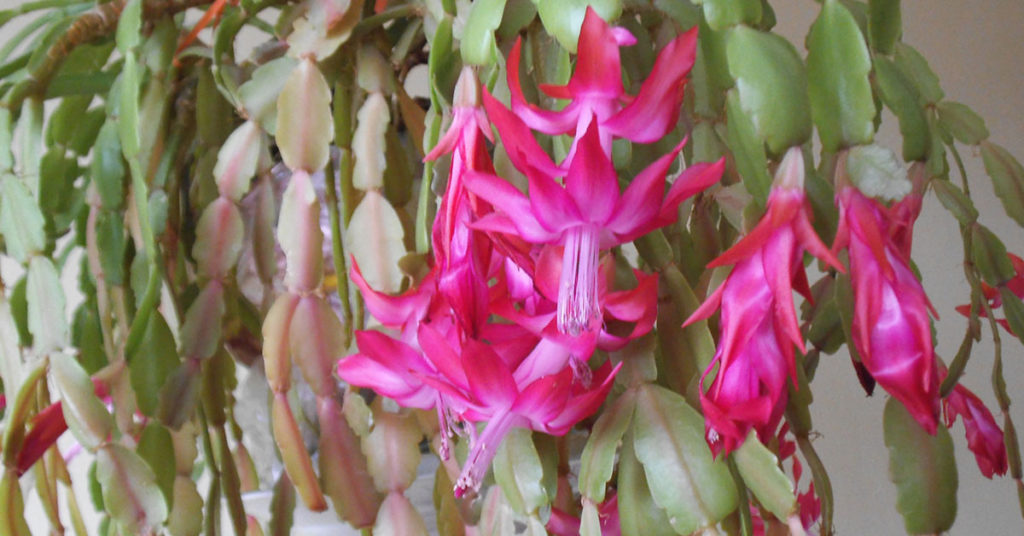
Christmas Cactus thrives in humid environments, which can be challenging to maintain indoors during the summer. To increase humidity around your plant, consider using a humidity tray filled with water and pebbles. Place the pot on top of the pebbles, ensuring it’s not sitting directly in the water.
You can also group your Christmas Cactus with other humidity-loving plants or use a room humidifier. Maintaining adequate humidity helps keep the foliage lush and healthy, preparing the plant for a robust blooming period in the winter.
Avoid Overwatering
While it’s important to keep your Christmas Cactus well-watered in July, overwatering can lead to root rot and other issues. Ensure that the soil is allowed to dry out slightly between waterings. Check the top inch of soil; if it feels dry to the touch, it’s time to water.
Using a pot with good drainage is crucial to prevent water from sitting at the bottom and causing root rot. By balancing your watering habits and ensuring proper drainage, you create an optimal environment for your Christmas Cactus to thrive and bloom abundantly.
Rotate the Plant

Rotating your Christmas Cactus every few weeks helps ensure even growth and exposure to light. If only one side of the plant receives light, it can become lopsided and less attractive. Simply turn the pot a quarter turn each time you water to promote balanced growth.
This simple practice not only keeps your plant looking symmetrical and beautiful but also ensures that all parts of the plant receive adequate light, which is essential for healthy growth and blooming. A well-balanced plant is more likely to produce a stunning display of flowers come winter.