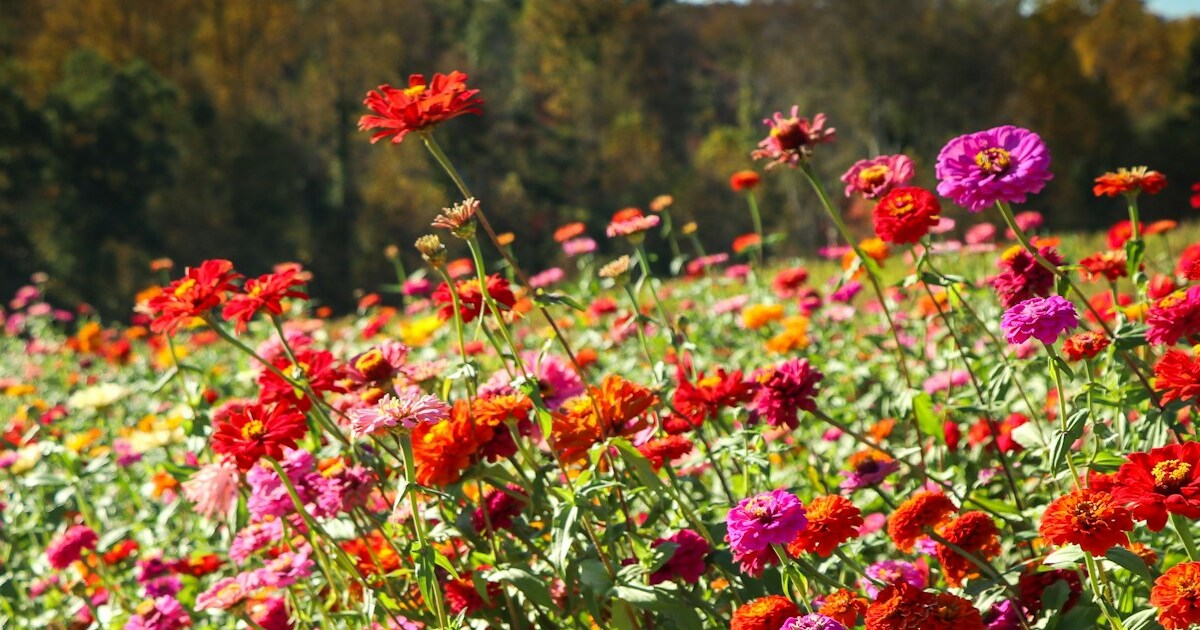

As summer winds down, your zinnias can pack in one more performance before the first frost. These cheerful, daisy-like blooms—native to the warm plains of Mexico and the American Southwest—aren’t invasive, but they do thrive so eagerly that a little late-season TLC goes a long way. By giving them the right care now, you’ll extend their vibrant show and even gather seeds for next year’s garden!
I know it’s such a bummer when powdery mildew spots appear or stems flop under their own weight. That’s why I’m sharing my favorite nine actions—from pest patrol to seed-saving—to help your zinnias finish strong. Let’s dive in and make the most of those last sunny days!
Inspect & Manage Pests
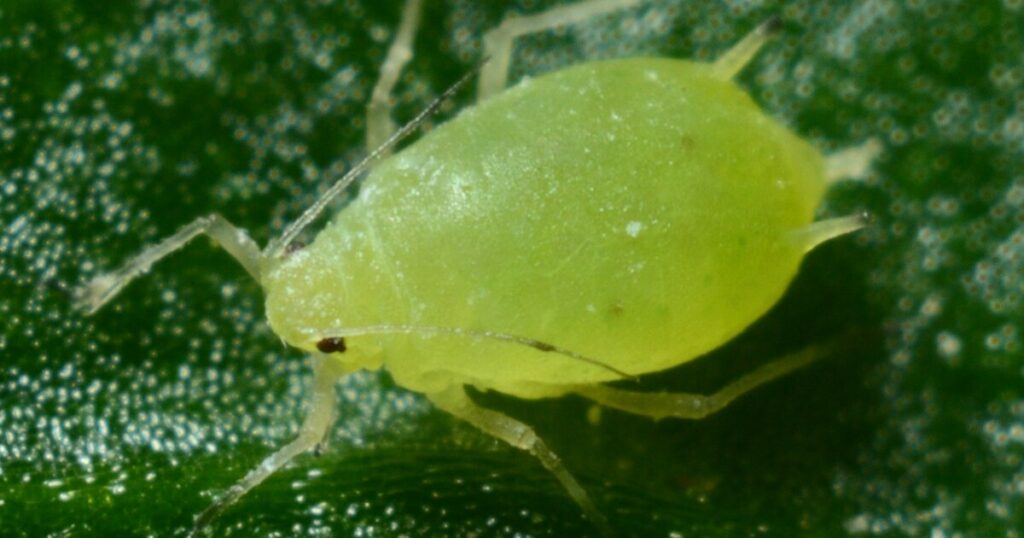
It’s all too easy to spot aphids clustering on tender new shoots or caterpillars munching leaves when you least expect it. Zinnias aren’t invasive, so you can prune away infested foliage without worrying about escaping vines. I keep a small spray bottle with insecticidal soap on hand and gently mist affected areas at dawn, when bees aren’t active, to avoid harming pollinators.
One of my favorite parts of late-season garden rounds is watching ladybugs and lacewings patrol my petals—nature’s own pest control! Encouraging these beneficial insects means fewer chemical interventions. Plus, I love seeing tiny soldier beetles nesting under loose bark nearby, ready to feast on any leftover pests.
Companion Plant for Support
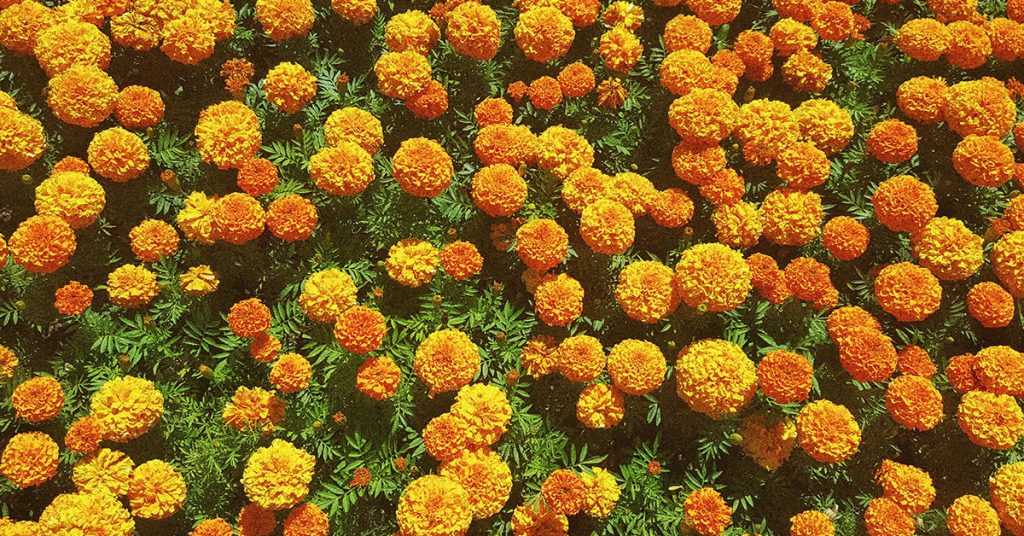
Pairing zinnias with companion plants like basil or marigolds not only looks stunning but also helps deter unwanted visitors. Marigolds (Tagetes spp.) hail from Mexico and Central America and exude natural compounds that confuse nematodes and repel some beetles. By tucking these in among your zinnias, you create a living border that works around the clock!
Basil, native to tropical Asia, compliments zinnias both visually and functionally. Its aromatic foliage can reduce fungal spores that sometimes cause mildew on zinnia leaves. Watching bees flit between basil blossoms and zinnia heads feels like a mini-pollinator festival—pure garden magic!
Save Seeds for Next Year

As the season matures, allow a few flower heads to dry on the stem. Zinnia seeds develop inside sturdy, cone-shaped centers; when the petals fade, I snip those heads and hang them upside-down in a paper bag indoors. Since zinnias aren’t invasive reseeders, you’ll only collect what you intend, avoiding volunteer seedlings next spring.
Seed saving is so satisfying—one of my favorite end-of-season rituals! You’ll feel that thrill watching tiny black-and-white striped seeds spill into your palm, knowing they’ll recreate your garden’s best performers next summer.
Deadhead Spent Blooms
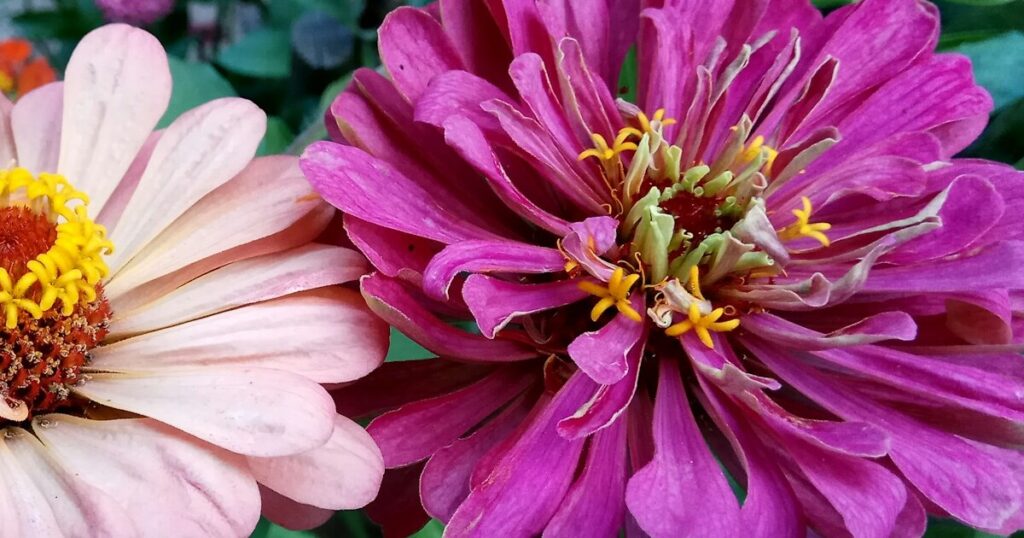
Prompt removal of faded flowers keeps your zinnias pumping out fresh blooms. Grab a pair of snips and cut just below the flower head, leaving a few inches of stem. This simple action prevents seed formation, redirecting the plant’s energy into new blossoms instead of seed production.
I can’t stress enough how much more prolific zinnias become when you stay on top of deadheading! It’s such a thrill to see row after row bursting with color, and you’ll notice butterflies and bumblebees visiting those next-generation blooms with renewed enthusiasm.
Pinch Back for Bushiness
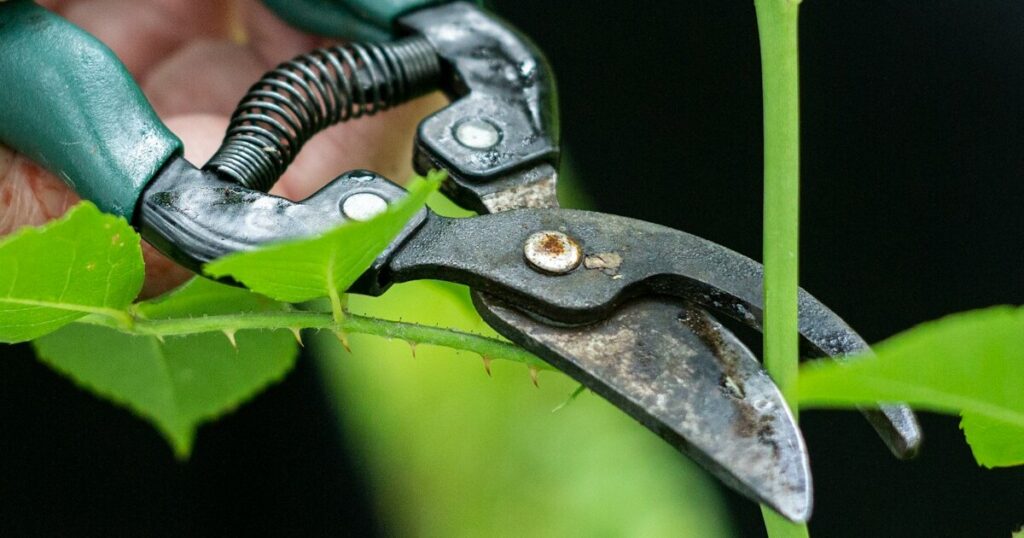
Late in August, snip the growing tips of taller varieties to encourage branching. Zinnias native to Mexico are naturally inclined to send up tall, single stems, but pinching transforms them into fuller, more compact plants loaded with flowers. Use clean fingers or shears to pinch just above a leaf node—no need to be gentle with these tough annuals!
I love how quickly zinnias respond, forming a bouquet-like structure that holds up even in wind. Plus, those extra side shoots become a magnet for solitary bees nesting in bare soil patches, creating a buzzing micro-ecosystem right at your feet.
Apply Mulch to Retain Moisture
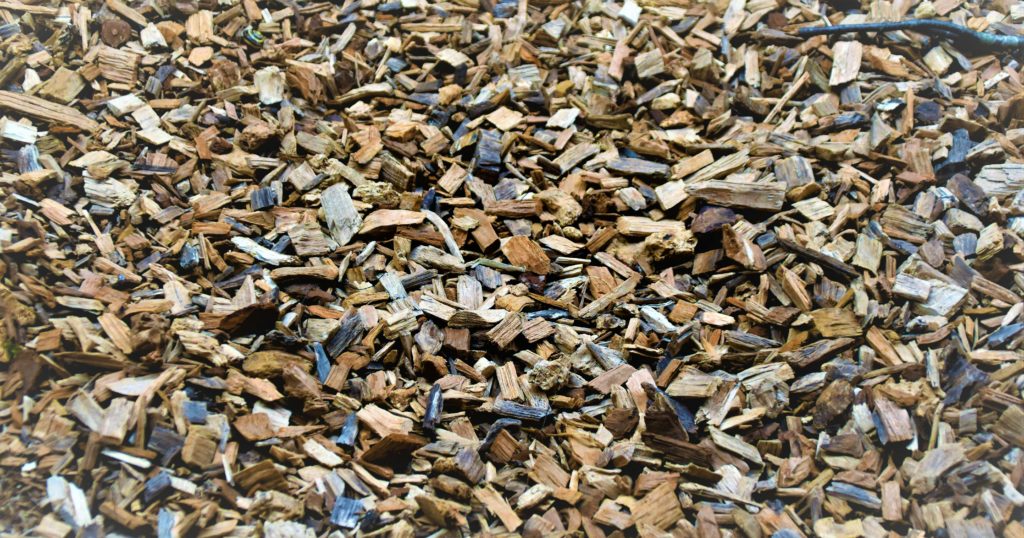
A light layer of straw or shredded leaves around your zinnia beds helps regulate soil temperature and keeps roots cool during hot late-summer days. Since zinnias won’t spread aggressively, you don’t risk smothering them under mulch—just lay down about two inches, avoiding direct contact with stems.
Beyond moisture control, mulch provides hiding spots for beneficial ground beetles that hunt slugs and caterpillars overnight. I often spot these garden guardians under my straw in the early morning—such a treat!
Water Deeply & Wisely
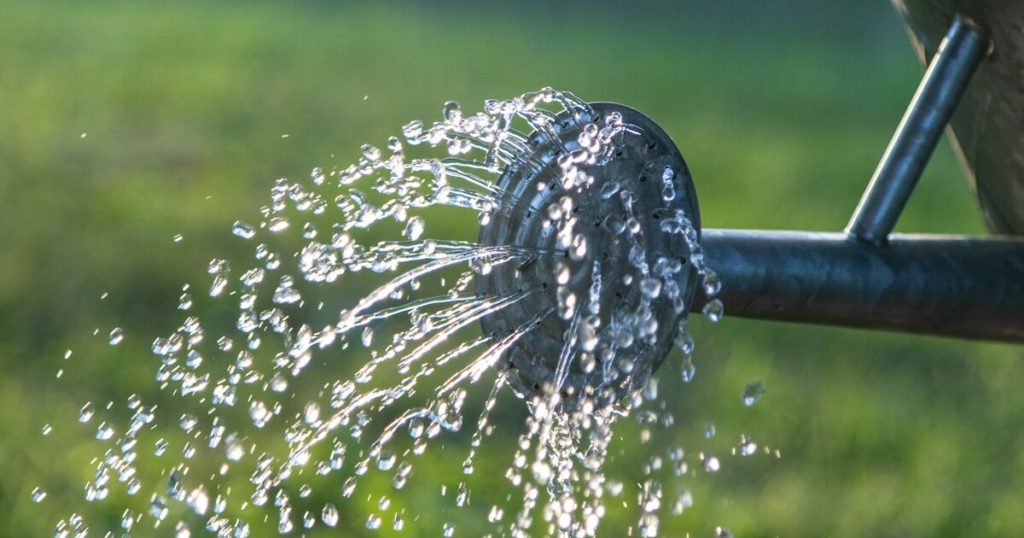
Zinnias prefer consistent moisture at the root zone rather than frequent light sprinklings. I water deeply once or twice a week, ideally in the morning, to allow foliage to dry before evening and reduce fungal risks. This encourages roots to explore deeper layers, making plants more resilient as days cool.
Late-season drought stress can trigger early seed production, so maintaining even moisture prevents your zinnias from bolting too soon. You’ll enjoy those broad, lush petals longer—worth every bucket of water!
Feed with Balanced Fertilizer

By now, your zinnias have used up much of the soil’s nutrients. A gentle application of a balanced, organic fertilizer (like a 5-5-5 NPK) will boost flowering without forcing excessive leafy growth. Sprinkle around the drip line and water in lightly to activate the nutrients. Since zinnias aren’t invasive, you don’t risk runaway growth—just brighter, more abundant blooms.
I mix a small amount of compost tea into my watering can for an extra microbial boost. It’s incredible how quickly the flowers perk up, and you’ll spot more hoverflies darting in—those larvae will soon feast on any lingering aphids!
Improve Air Circulation
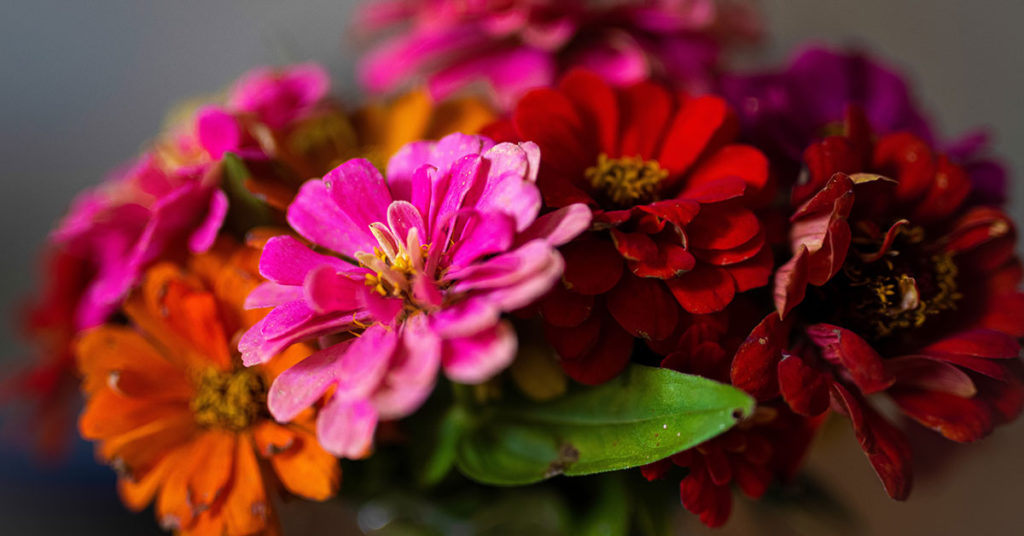
Dense foliage can trap humidity and invite powdery mildew. In late summer, gently thin overcrowded stands by removing a few lower leaves or thinning entire stems if necessary. This isn’t invasive removal—it simply opens up space for air to flow around each plant.
Nothing beats that feeling when you step into the garden and smell clean, healthy foliage! Better airflow means fewer fungal spots and happier zinnias, and allows you to catch and appreciate small bees nesting in stem cavities you might otherwise miss.