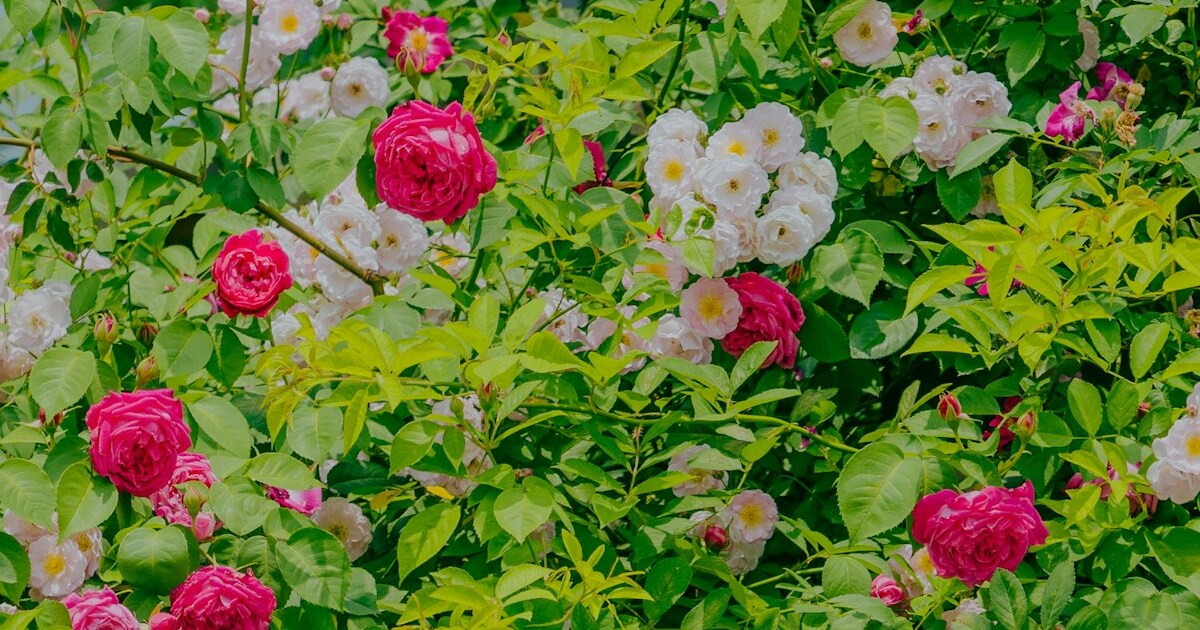

Roses have captured our hearts for centuries—originating in Asia’s temperate woodlands before being cultivated worldwide—but it’s such a bummer when those stunning buds remain stubbornly sparse or plagued by black spot! I remember the frustration of admiring gallery‑worthy rose gardens online, only to return to dull, underperforming shrubs in my own backyard. If you’ve ever sighed over leggy canes or half‑hearted blooms, know you’re not alone. I’m thrilled to share fourteen essential tips to transform your roses into a riot of color and fragrance!
Though most modern garden roses aren’t invasive, a few wild species like Rosa multiflora can naturalize aggressively if left unchecked. Understanding each rose’s heritage helps us meet its needs—from sun‑drenched slopes to rich, well‑drained soils. Below, you’ll find everything from pruning secrets to ecosystem‑friendly pest deterrents, all aimed at coaxing your roses into their most spectacular performance yet. Let’s dive in!
Amend Your Soil with Rich Compost

Compost is the lifeblood of a rose’s root system, providing a slow‑release buffet of nutrients and improving soil structure. I always blend at least two inches of well‑rotted compost into the planting hole, ensuring young roots establish quickly and deeply. When your roses can explore loose, organic‑rich soil, their stems thicken and buds open larger and longer!
Beyond feeding roots, compost attracts earthworms and beneficial microbes that aerate the soil and break down organic matter—creating a thriving underground community. Nothing beats digging into that crumbly humus and discovering wiggling worms hard at work!
Prune for Shape, Health, and Vigor
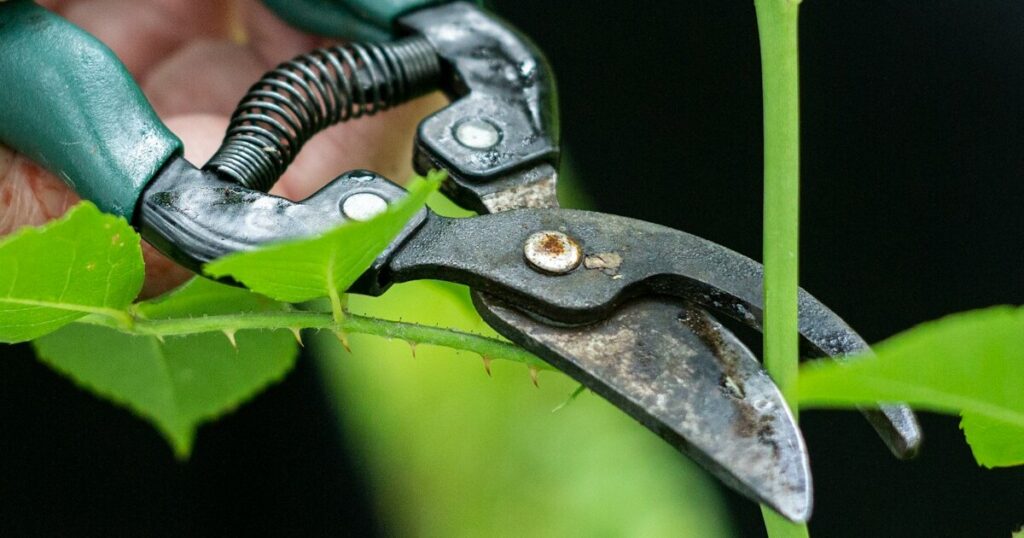
It’s tempting to skip pruning, but uncut canes become woody and unproductive over time. Each spring, I remove dead or crossing branches and trim back one‑third of the previous year’s growth, cutting just above an outward‑facing bud. This encourages outward branching and better air circulation—key factors for robust flowering!
Regular pruning also prevents weak, spindly shoots that struggle to support heavy blooms. By shaping your rose bush early, you’re essentially sculpting a framework for dozens of vibrant blossoms to emerge in perfect display!
Provide Full Sun Exposure

Roses crave at least six hours of direct sunlight daily—less, and they sulk rather than bloom. I’ve witnessed rose shrubs transformed from leggy, chlorotic messes in shade to explosion‑of‑color powerhouses when moved to sunnier spots! Sunlight fuels photosynthesis, enabling plants to produce the energy needed for abundant, long‑lasting flowers.
If your garden’s shadiest corner is all you’ve got, consider container‑growing roses on a patio or balcony where you can chase the sun. Trust me, that extra sunshine makes every bloom plumper and more fragrant!
Deadhead Spent Blooms Promptly

Watching spent flowers hang on the bush is such a missed opportunity! Removing faded petals and seed pods encourages the plant to redirect energy into new bud production rather than seed development. I deadhead weekly during peak season, and the rebloom marathon never stops!
This simple habit also helps keep disease pressure low by improving air flow around the remaining foliage. Your roses will reward you with a cleaner canopy and nonstop color!
Adjust Soil pH for Optimal Nutrient Uptake

Roses prefer slightly acidic soil (pH 6.0–6.8) to access essential nutrients like iron and phosphorus. If your soil test reveals a higher pH, a light application of elemental sulfur or peat moss can nudge it downward. Conversely, a sprinkle of garden lime can lift an overly acidic bed!
Balancing pH isn’t just about feeding roses—it also supports beneficial soil microbes that enhance root health. With the right pH, every application of compost or fertilizer goes to work efficiently, supercharging your blooms!
Mulch Strategically to Retain Moisture and Suppress Weeds
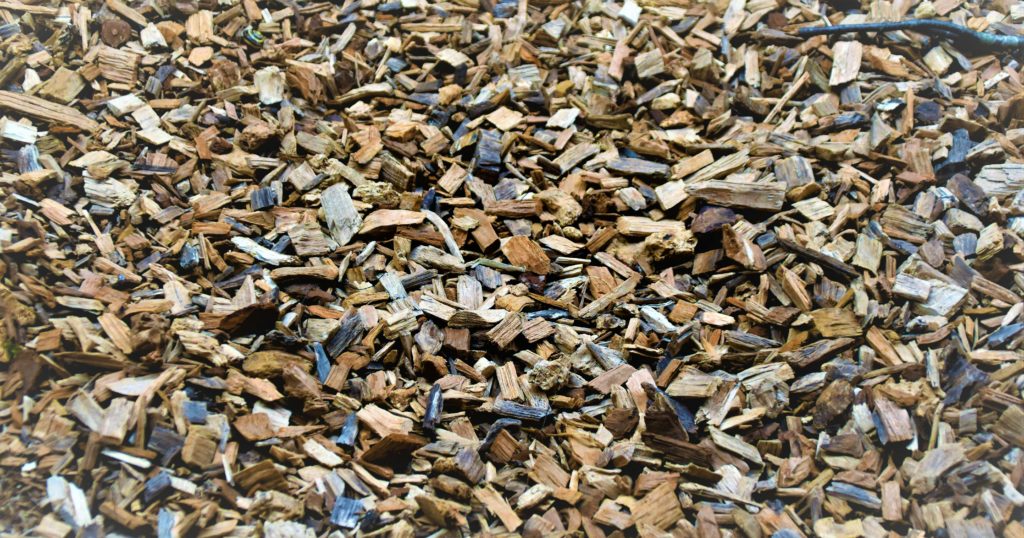
A two‑inch layer of organic mulch—straw, shredded bark, or leaf mold—around the base of each rose keeps soil temperatures stable and locks in moisture during hot spells. I always leave a small gap around the crown to prevent collar rot, which can decimate canes if left damp!
Mulch also chokes out weeds that compete for nutrients and water. The result? Your roses get all the resources they need to produce massive, vibrant blooms, season after season.
Water Deeply at the Base, Not Overhead

Fine mist from overhead sprinklers might feel refreshing, but wet foliage invites fungal diseases like black spot and powdery mildew. Instead, deliver a deep, slow soaking at the root zone once or twice a week, depending on rainfall. This encourages roots to grow downward in search of moisture—building drought resilience!
During heatwaves, a shallow top‑up can help—but always water early in the day so any droplets on leaves evaporate quickly. Your patience will pay off in lush, long‑lasting roses!
Fertilize Regularly with Balanced, Organic Feeds
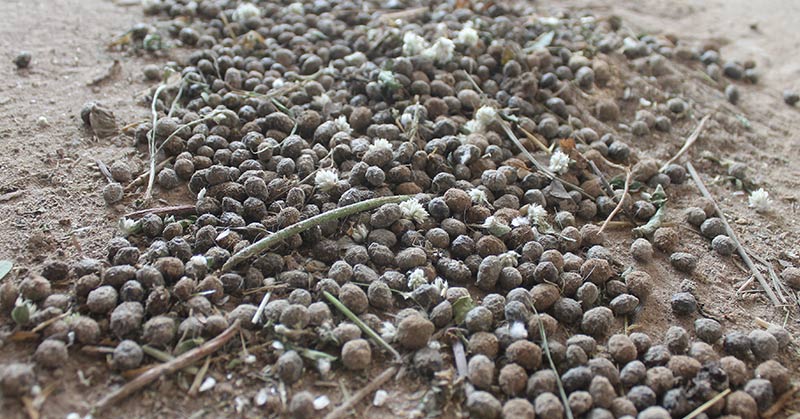
Chemical quick‑fixes might spark a brief flush of green, but organic options like fish emulsion, bone meal, or rose‑specific compost teas nourish soil life and sustain blooms. I feed my roses every four to six weeks during the growing season, following package rates to avoid overfertilizing and leggy growth!
Organic fertilizers release nutrients slowly, reducing the risk of nutrient burn and encouraging sturdy stems that can support hefty flower heads. Plus, they improve soil structure over time—double win for rose lovers!
Improve Air Circulation to Prevent Disease
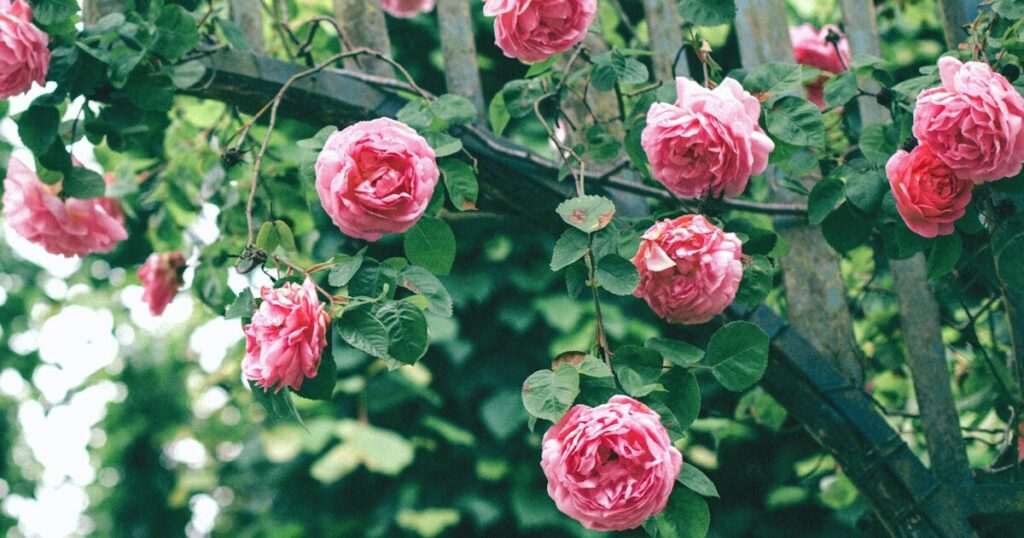
Tight‑packed foliage traps humidity, creating a cozy home for fungus. I space new roses about two feet apart at minimum, prune interior canes, and keep pathways clear to let breezes sweep freely through the bed. It makes such a difference in disease prevention and overall plant vigor!
With better airflow, you’ll spot pests early and enjoy fewer unsightly black spots. Healthy leaves translate directly to more energy allocated to flower production, giving you that coveted onslaught of blooms.
Select Disease‑Resistant Varieties
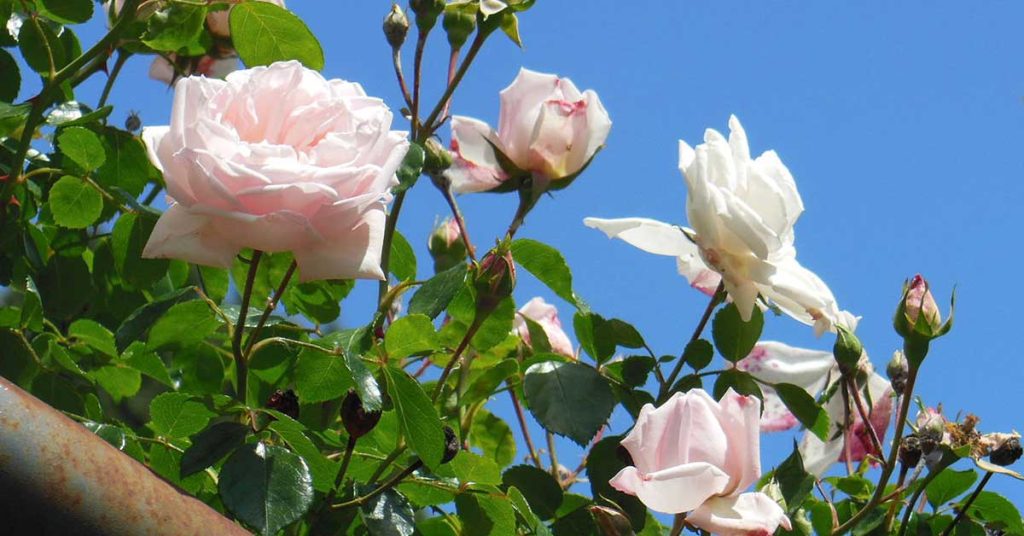
One of my favorite plants is the ‘Knock Out’ rose family—bred specifically for black‑spot resistance! Choosing cultivars known for disease tolerance saves time on sprays and boosts flower counts. Check nursery labels or rose society recommendations for varieties that perform well in your region.
While even resistant roses need good care, starting with a tough cultivar is like having a head start in a race. You’ll find yourself spending more time admiring blossoms and less time battling blight!
Attract Beneficial Insects for Natural Pest Control

Plant companion flowers like lavender, borage, or marigolds near your roses to lure hoverflies, lacewings, and parasitic wasps—nature’s pest‑control squad! These helpful insects nest in the soil or foliage and dine on aphids, mites, and other unwanted guests. It’s such a thrill to spot a ladybug munching on an aphid rather than scrambling for chemical controls!
When beneficials thrive, your roses remain healthier and more vigorous, channeling energy into bud formation instead of constant repair. Plus, the added blooms from companion plants create a stunning, pollinator‑friendly oasis!
Protect Roses During Winter in Colder Zones

In climates where temperatures plunge, winter protection is a must. After the first frost, I mound three to six inches of straw or shredded leaves around the base of each rose and wrap canes in breathable burlap. This buffer shields roots and prevents freeze‑thaw damage that can crack stems!
Come spring, remove the protective layer gradually to avoid sudden temperature swings. Your roses will emerge vigorous and ready to launch into a season of spectacular blooms!
Rotate or Replace Old Canes for Continuous Renewal

Over time, older canes become woody and less productive, much like any perennial. I practice renewal pruning: each year, I remove one or two of the oldest canes at ground level to encourage fresh basal shoots. This steady turnover keeps the bush young and bursting with new buds!
By gradually cycling out aged wood, you avoid drastic pruning while maintaining a strong framework for future blooms. It’s like giving your rose a perpetual spring cleaning—keeping it vibrant year after year!