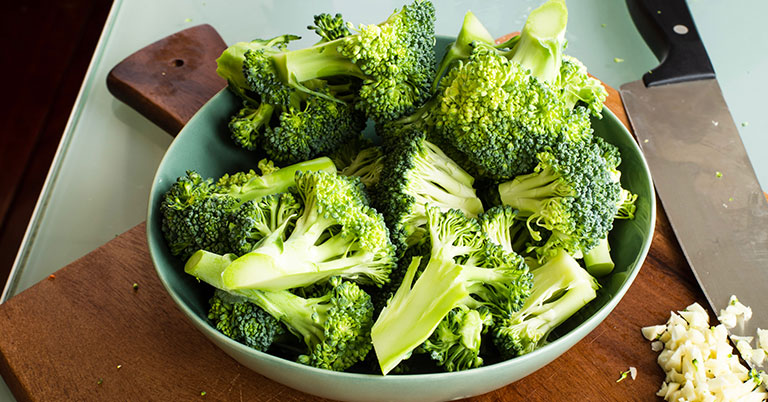

August can feel like a frantic sprint between summer’s heat and the promise of autumn’s cool days—but it’s the perfect window to set your broccoli up for a bounty of tender, flavorful heads come fall. Broccoli (Brassica oleracea var. italica), native to the Mediterranean and non‑invasive in garden settings, thrives when given a little extra TLC at this time of year. I know how disheartening it is to watch your spring plantings peter out or bolt under stress—especially when you’ve dreamed of crisp, homegrown florets all season long!
From consistent watering to clever pest management, each of these twelve tasks will nourish your plants, protect them from heat and hungry caterpillars, and encourage a robust side‑shoot harvest after the main head is cut. You’ll also learn how small adjustments—like planting pollinator‑friendly flowers or pruning for airflow—can attract beneficial insects and keep your broccoli healthy and productive. Let’s dig into the actionable steps that will reward you with row after row of beautiful green broccoli heads!
Start Fall Transplants Early
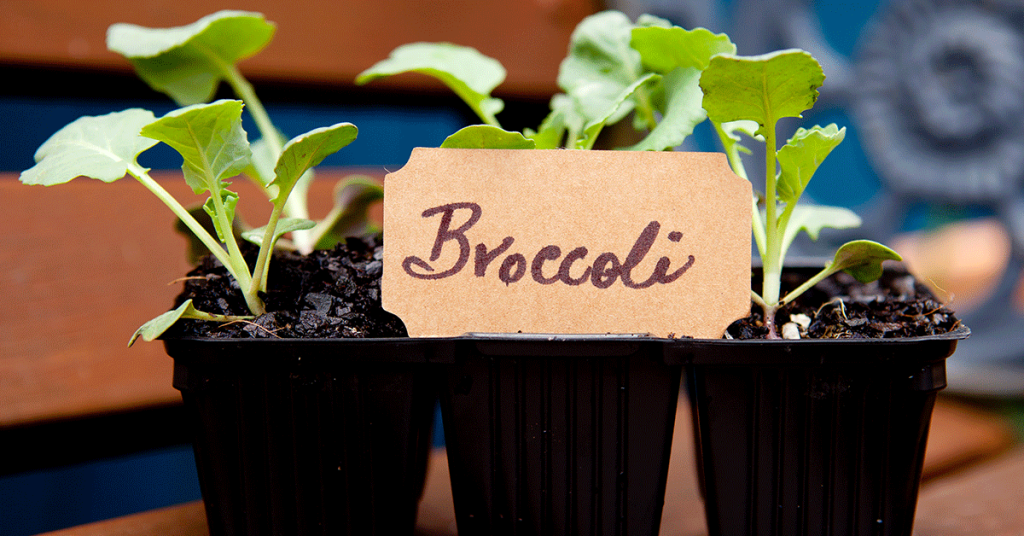
If you haven’t already sown seeds for a fall planting, August is your cue! Broccoli thrives when seedlings are about four weeks old at transplant, so sow seeds in pots or a sheltered nursery bed now. I love watching those sturdy baby plants develop in a cooler corner of my greenhouse before hardening off—they’re ready to hit the garden at just the right size!
Transplanting established seedlings reduces shock and gives your broccoli a head start before temperatures drop. Meanwhile, early blooms of alyssum or calendula (both non‑invasive) near your baby plants will attract hoverflies and parasitic wasps, whose larvae prey on aphids and caterpillars that love brassicas!
Mulch Deeply to Regulate Soil Temperature

A three‑inch layer of straw, shredded leaves, or grass clippings around broccoli crowns helps keep soil cool and moist through August’s heat spikes. I once watched my plants wilt in midday sun until I topped them with mulch—instant relief!
Mulch also conserves moisture for earthworms, whose tunnels improve drainage and root aeration. Those healthy channels are prime nesting tunnels for miner bees in adjacent flower beds, promoting a thriving garden ecosystem.
Water Consistently, Early Morning
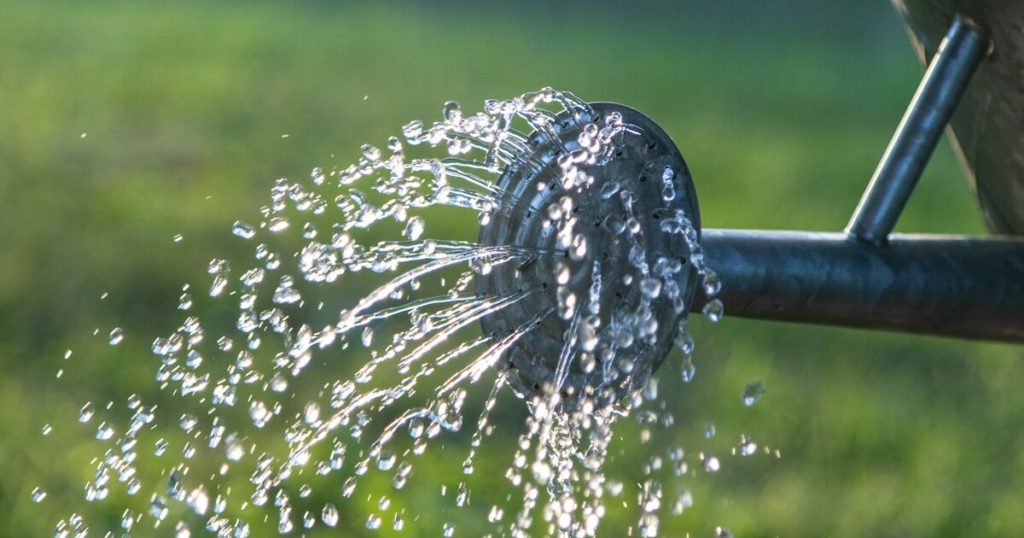
Broccoli needs about an inch of water per week, applied in the cool of morning to avoid fungal issues on wet foliage. I learned the hard way that afternoon watering led to split stems and blight—so frustrating!
Deep, slow irrigation encourages roots to grow downward, providing stability and drought resilience. A well‑watered plant is less appealing to cabbage root maggot flies, whose larvae search for stressed, shallow roots to infest.
Side‑Dress with Compost or Organic Fertilizer

Approximately six weeks after transplanting, apply a cup of well‑aged compost or a balanced organic fertilizer around each plant’s dripline. This gentle boost of nitrogen and micronutrients fuels vigorous leaf and head development without risking fertilizer burn!
As compost breaks down, it feeds soil microbes that support healthy broccoli roots. Those microbes, along with tunneling earthworms, create a soil environment that benefits both your brassicas and any ground‑nesting bees seeking loose soil to burrow into.
Provide Afternoon Shade When Needed

If daytime highs consistently climb above 85°F, use a light shade cloth (30–40% density) over your broccoli beds during peak sun hours. My first fall planting suffered bolting until I installed shade—suddenly the plants resumed calm, steady growth!
Partial shade also reduces heat stress that can attract aphids and whiteflies. Cooler conditions help beneficial predators like ladybugs patrol more actively, keeping pest populations in check without chemicals.
Prune Lower Leaves for Airflow
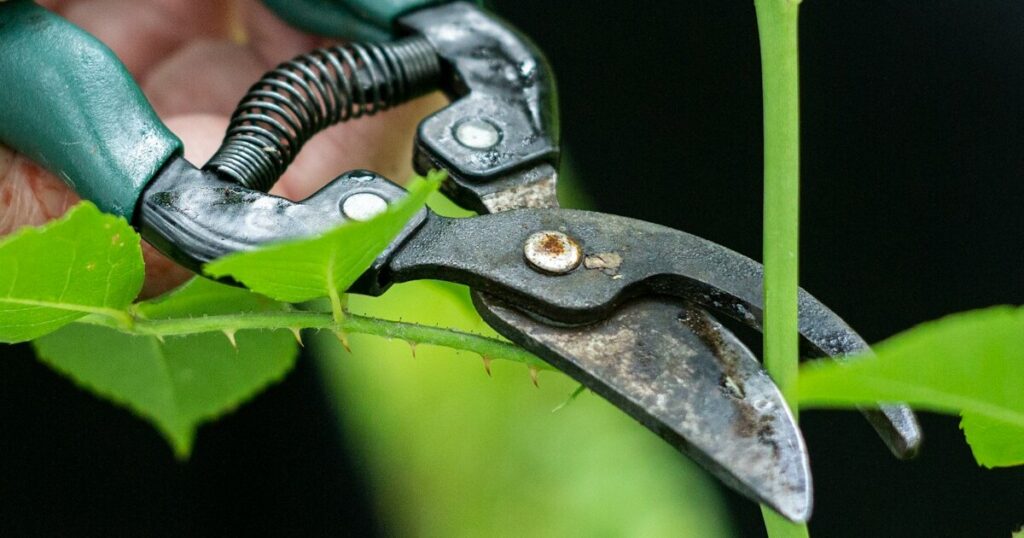
Remove the lowest one or two sets of leaves to improve airflow and reduce humidity under the canopy, which discourages fungal diseases like downy mildew. I used to let dense foliage trap moisture, only to find mildew spots creeping in—pruning changed all that!
This tidying also reveals patches of bare soil—prime nesting real estate for solitary bees. They’ll dig shallow cells nearby, ready to pollinate your summer‑flowering companions and keep the garden buzzing.
Scout and Handpick Cabbage Worms

Check undersides of leaves daily for cabbage loopers and imported cabbageworm larvae. Early removal is key—once they burrow into your buds, they’re nearly impossible to evict. I once lost half a bed to unnoticed caterpillars!
Encouraging parasitic wasps by planting dill or fennel nearby helps too. Those wasps lay eggs inside caterpillars, naturally controlling their numbers and keeping your broccoli safe.
Use Row Covers to Block Pests
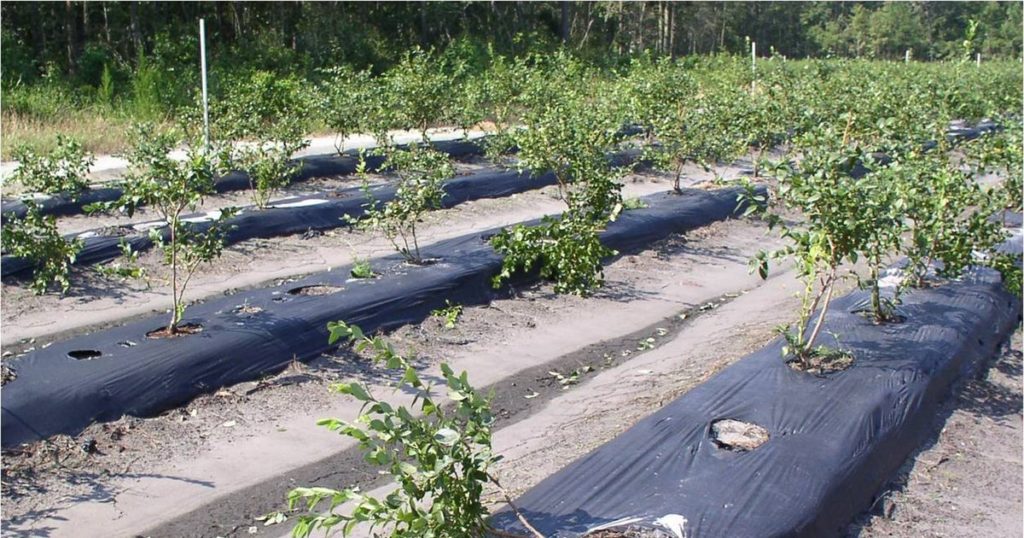
Lightweight floating row covers placed over young plants can thwart egg‑laying moths and flies. Secure edges with soil or pins to prevent pests from crawling underneath. This barrier gave me zero cabbage moth damage last fall—what a relief!
Be sure to remove covers for pollinator access if you’re flowering companion plants; beneficial insects like hoverflies and tiny solitary bees need nectar sources nearby to maintain balanced populations.
Cut Main Head Promptly
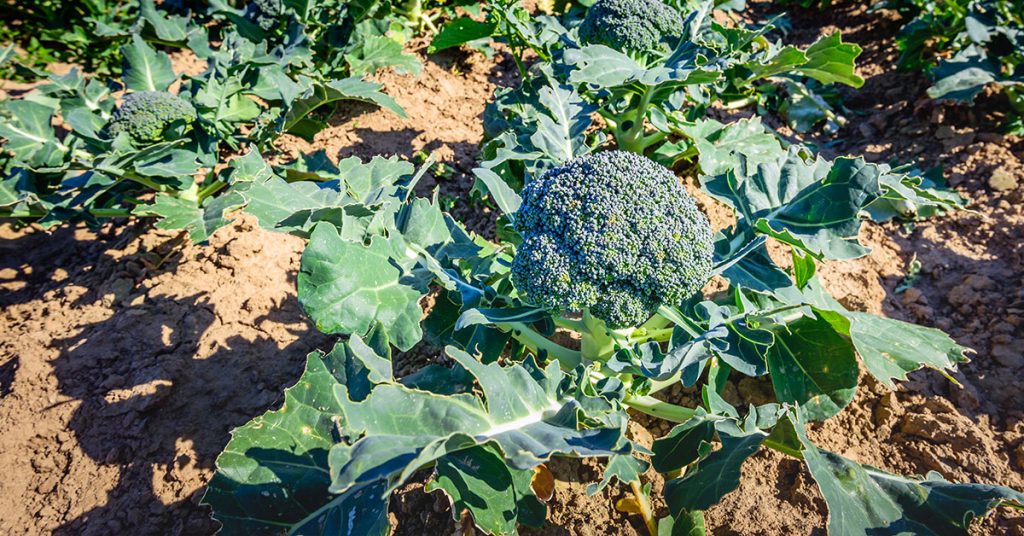
Once the central broccoli head reaches golf‑ball size, harvest it immediately. Wait too long, and side shoot production can slow. I used to linger, only to find the head over‑mature and the plant stalled!
Snip off the main cluster with a sharp knife at a slight angle, then watch side branches unfurl new florets. These secondary shoots attract bumblebees and honeybees drooling for late‑season pollen, boosting garden pollination as they work your fall vegetables!
Rotate Crops and Rest Beds
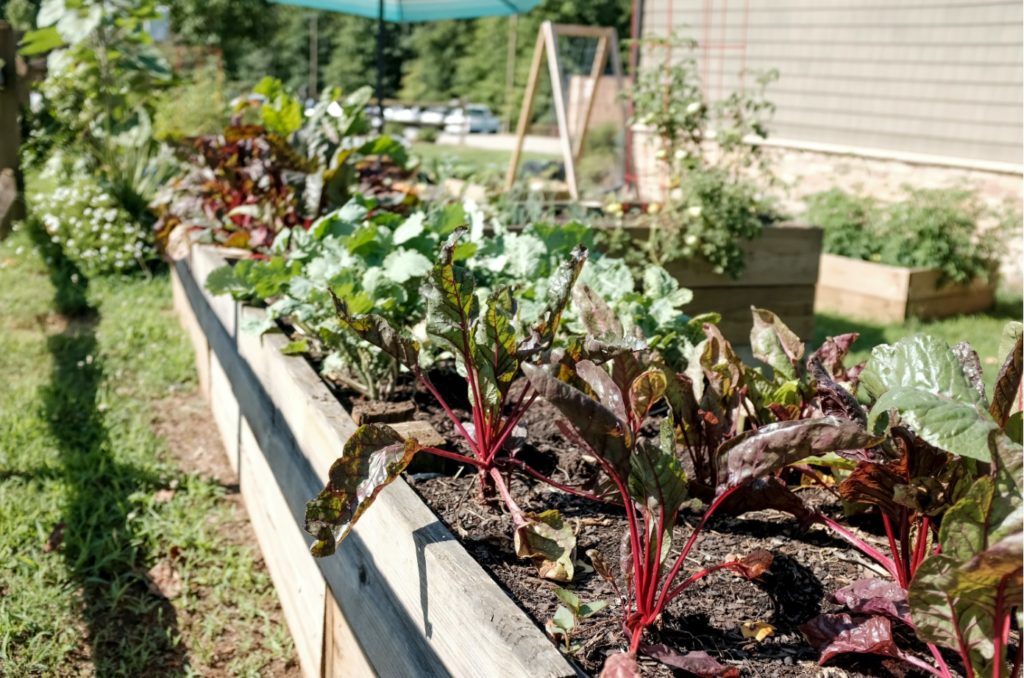
If possible, avoid planting broccoli or other brassicas in the same spot more than once every three years. August is a great time to plan next season’s rotation, incorporating legumes like peas to fix nitrogen. Crop rotation cuts down on soil‑borne diseases and keeps nutrient balance healthy!
Fallow beds attract ground‑nesting bees seeking undisturbed soil for autumn nesting. A rested bed also lets earthworm populations recover, ensuring rich, crumbly soil for your next brassica planting.
Monitor Soil pH and Adjust
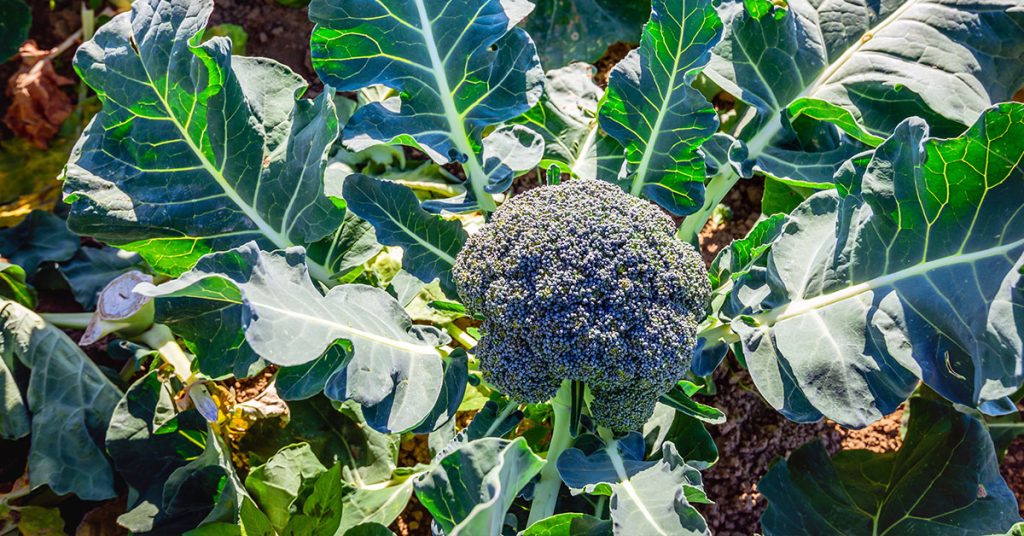
Broccoli prefers a pH of 6.0–7.0. Conduct a soil test in August and add lime if pH is below 6.0, or elemental sulfur if above 7.0. I once overlooked low pH and saw stunted heads—making this check saved my fall crop!
Correct pH ensures optimal nutrient uptake and fosters microbial activity. Those microbes form symbiotic relationships with roots, enhancing growth and ultimately supporting a healthy, pollinator‑friendly garden habitat.