

I know how discouraging it is to watch your Thanksgiving cactus (Schlumbergera spp.) sit there all summer with not a single bud in sight—especially when you’re dreaming of those vibrant blooms just in time for the holidays! These delightful epiphytic cacti hail from the cloud forests of Brazil, where they cling to tree branches, soaking up filtered light and moisture. Although they’re not invasive in most gardens, they do have particular preferences that, when met, reward you with a spectacular floral show!
By giving your cactus the right cues in August—just a few months before its natural bloom period—you can coax it into producing loads of flower buds. I’ve experimented with every trick in the book in my own collection, and I’m thrilled to share eleven proven steps that will have your Thanksgiving cactus bursting with color come November. Let’s dive in!
Refresh the Potting Mix

Over time, the loose, well‑draining soil in which your Thanksgiving cactus thrives can become compacted and nutrient‑depleted. Gently tease out the root ball and swap in fresh mix composed of peat, perlite, and a touch of orchid bark to mimic its native canopy environment. This gives new buds the proper foundation to grow strong!
One of my favorite steps in late summer is this soil refresh, because I can actually see little root tips exploring the new medium. It’s such a rewarding moment when you repot and instantly notice more vigorous segment growth—an encouraging sign that buds are on their way.
Adjust Your Watering Schedule

I know how frustrating it is to overwater and watch those precious buds drop! In August, begin tapering your watering: allow the top half‑inch of soil to dry out before giving a drink. This mimics the drier season in its Brazilian homeland and encourages the plant to set buds rather than push out lush new segments.
If you keep the soil too soggy, your Christmas cactus will focus on vegetative growth and may even develop root rot. By dialing back moisture just a bit, you’re sending a “bud alert” that helps your plant transition toward bloom mode—in my experience, one of the simplest yet most impactful changes you can make!
Inspect for Pests and Disease

Even indoor plants can harbor unwelcome guests like mealybugs or spider mites, which sap vigor and cause buds to abort. Take a magnifying glass to your cactus in August, checking leaf crevices and stem joints. Wipe any critters away with a cotton swab dipped in rubbing alcohol, and follow up with an insecticidal soap if needed.
It’s such a bummer to lose flower buds at the last minute to tiny pests! A thorough inspection now means your cactus can dedicate all its energy to producing those show‑stopping blooms rather than fighting off invaders.
Provide Bright, Indirect Light

In its native South American cloud forests, Schlumbergera enjoys dappled sun rather than scorching direct rays. Place your cactus near an east‑ or north‑facing window where it receives plenty of bright, filtered light throughout August. Too little light leads to leggy, weak growth, while too much direct sun can scorch its segments.
I love seeing my cactus soak up that gentle morning glow—its flattened stems turn a richer green, and those early bud points start to swell. Giving it the right light balance sets the stage for robust flowering later in the season!
Feed with a Bloom‑Boosting Fertilizer

Starting in mid‑August, switch to a phosphorus‑rich fertilizer (such as a 10‑20‑10 formula) and feed every three to four weeks. Phosphorus encourages bud formation, so you’ll see those little bumps along the stem edges beginning to emerge. Be sure to follow label directions—too much fertilizer can burn roots or cause salt buildup.
One of the most exciting parts of my routine is watching tiny pinpoints of color appear along the joints after each feeding. Those are your soon‑to‑be flower buds, and knowing they respond so directly to bloom fertilizer is incredibly satisfying!
Enforce a Proper Day‑Night Temperature Differential

To trigger bud set, Thanksgiving cactus prefers nights around 55–60°F (13–16°C) and days around 65–70°F (18–21°C). In August, aim for cooler evenings by opening a window or moving the plant to a cooler room for a few hours each night. This temperature drop simulates its native highland climate.
I remember noticing how quickly my cactus responded once I consistently cooled its nights—it went from zero buds to clusters of swells in just a couple of weeks! That clear signal from cooler nights is one of the most reliable bloom‑inducers I’ve found.
Prune to Encourage Branching
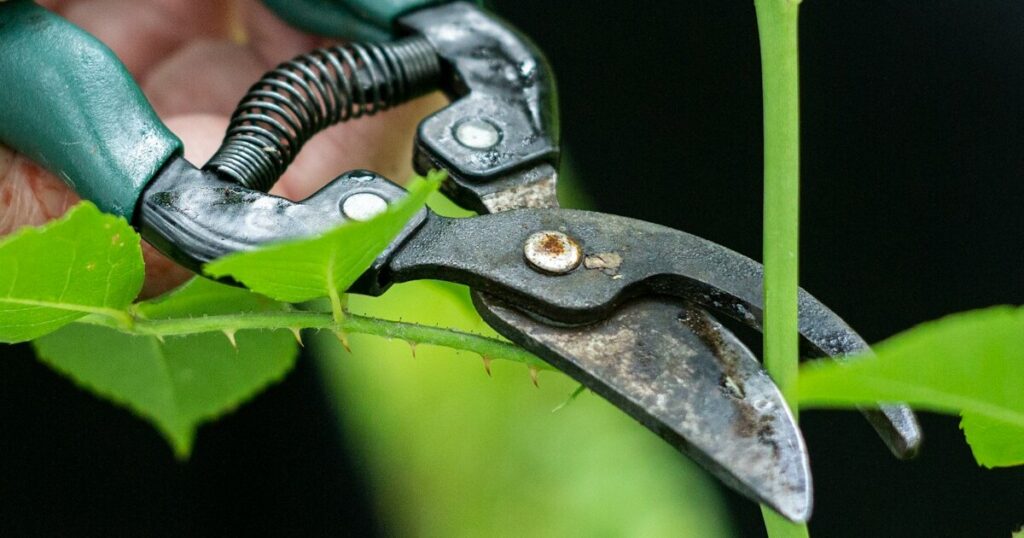
After repotting or in early August, snip off a few of the longest stem segments at each branch tip (about three pairs of segments). This gentle pruning encourages lateral growth, giving your plant more sites to produce flower buds. Since Schlumbergera is not invasive, you won’t risk rampant reseeding—just a bushier, fuller cactus!
It’s such a treat to see new shoots unfurl where you’ve pruned, almost like little flags of potential blooms. Plus, I love using those cuttings to start new plants—propagation is a bonus perk of this pruning step!
Increase Humidity Around the Plant
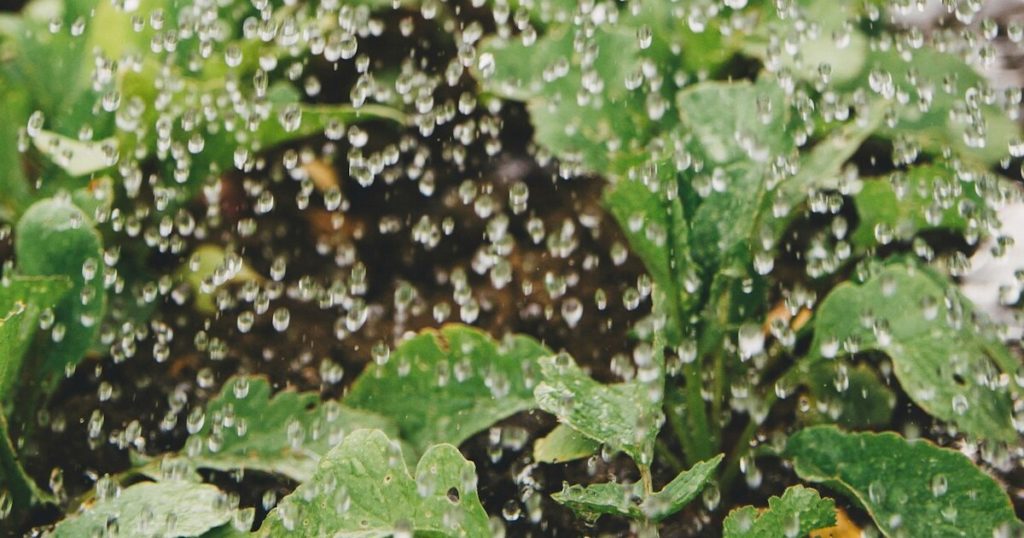
Thanksgiving cactus enjoys slightly higher humidity than many indoor plants. In dry August air, place the pot atop a tray filled with damp pebbles, ensuring the bottom of the pot sits above the water line. This raises local humidity without waterlogging the roots.
I find it so gratifying to see plump, firm segments after boosting humidity—they literally look happier! Those juicy stems are more likely to hold developing buds securely until they’re ready to open.
Clean Dust from Foliage

Dust buildup can block light and harbor pests—both of which hamper bud development. Gently wipe each segment with a soft, damp cloth every couple of weeks. This simple spa treatment helps your cactus photosynthesize at peak efficiency and keeps it looking sleek.
One of my favorite small moments is admiring the glossy sheen on freshly cleaned segments—it reminds me that a clean surface = maximum light capture = more energy for blooms. Plus, it’s a chance to inspect every nook for any budding issues!
Ensure Good Airflow

Stagnant air invites fungal problems, which can cause buds to turn brown or drop prematurely. Keep a small fan on low nearby or position the plant where a gentle breeze circulates. Just be careful to avoid cold drafts or hot, dry blasts from HVAC vents.
I once lost a handful of buds to botrytis simply because my cactus sat in a stuffy corner! After improving ventilation, not only did my blooms hold on, but the segments also developed a firm, vibrant texture that felt wonderful to the touch.
Limit Summer Fertilizer to Encourage Bud Set
While regular feeding promotes healthy growth, by late August it’s wise to reduce nitrogen-heavy fertilizers. Excess nitrogen encourages lush, leafy growth at the expense of flowers. I switch entirely to a bloom‑focused feed or water only, giving my cactus that final “slow‑down” cue before budding.
Watching my plant transition from vegetative spurt to bud production is always thrilling—those first tiny buds appear like magic! By dialing back nitrogen, I ensure energy diverts from new leaves into creating a spectacular floral display you’ll adore all season long.