
If you’re anything like me, August always feels like a crossroads in the garden—you’re still harvesting the best of summer, but your mind is already racing ahead to the crisp days of fall and everything you could still grow. But here’s the thing: if you want a huge, healthy fall vegetable harvest, you can’t coast through August. It’s a critical time for setting your cool-season crops up for success, and trust me, the effort you put in now will absolutely pay off in baskets of broccoli, bunches of greens, and plump root veggies.
I’ve made my fair share of late-summer gardening mistakes—planting too late, forgetting to fertilize, or ignoring pests that snuck in under the radar. So I want to make sure you don’t hit the same snags! Whether you’re refreshing tired soil, sowing seeds, or boosting growth on what’s already in the ground, these 11 tasks will make a dramatic difference in your fall harvest. Let’s dig in and make August work for us!
Keep Harvesting to Encourage More Production
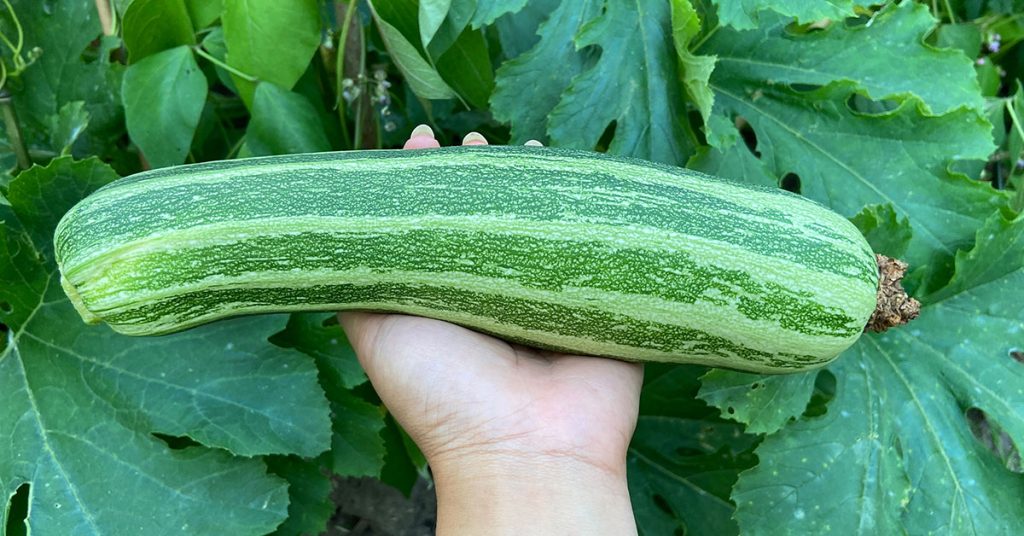
It might sound obvious, but August is not the time to let things go to seed unless that’s your goal. Keep picking those beans, cucumbers, zucchini, and okra regularly to encourage continued production. Once a plant feels like it’s “done its job,” it’ll slow down or stop producing altogether. That’s just how they work!
Okra, native to Africa, and zucchini, native to the Americas, are not invasive in most climates, but both can become unruly if left to sprawl unchecked. Regular harvesting helps keep them in check and makes the garden look tidier too. Pollinators like bees and butterflies will keep coming as long as the blooms do, and birds often perch in the foliage watching for tasty insects!
Direct Sow Fast-Growing Crops Like Radishes

If you’re running out of time and space, radishes are your fall garden secret weapon. Some varieties mature in just 25 days! I like to tuck them into empty corners or pop them between slower crops like cabbage or broccoli. They don’t need much room, and they’re surprisingly tolerant of light shade.
Radishes are native to Southeast Asia and aren’t known to be invasive, but if you let them go to seed, you’ll definitely have volunteers next season! Their little flowers are a favorite of hoverflies and parasitic wasps—beneficial insects that help keep aphids and caterpillars in check. Let a few bloom if you can spare the space; your whole garden will benefit.
Add a Dose of Compost to Revive Tired Soil

By the time August rolls around, the soil in your beds is often exhausted from months of hard work. I always like to freshen it up with a top dressing of compost before putting in my fall crops. Even just a half-inch layer can provide a boost of slow-release nutrients and improve water retention, which is especially helpful if you’re battling late-summer droughts.
If you’ve been composting your own kitchen scraps and garden clippings, now’s the time to use that rich, dark material! Earthworms will work it into the soil for you, and you might even notice birds like robins and blackbirds poking around looking for grubs. Compost itself isn’t invasive (obviously!), but be sure not to introduce any weeds from unfinished compost piles.
Plant Brassicas Like Broccoli and Cabbage
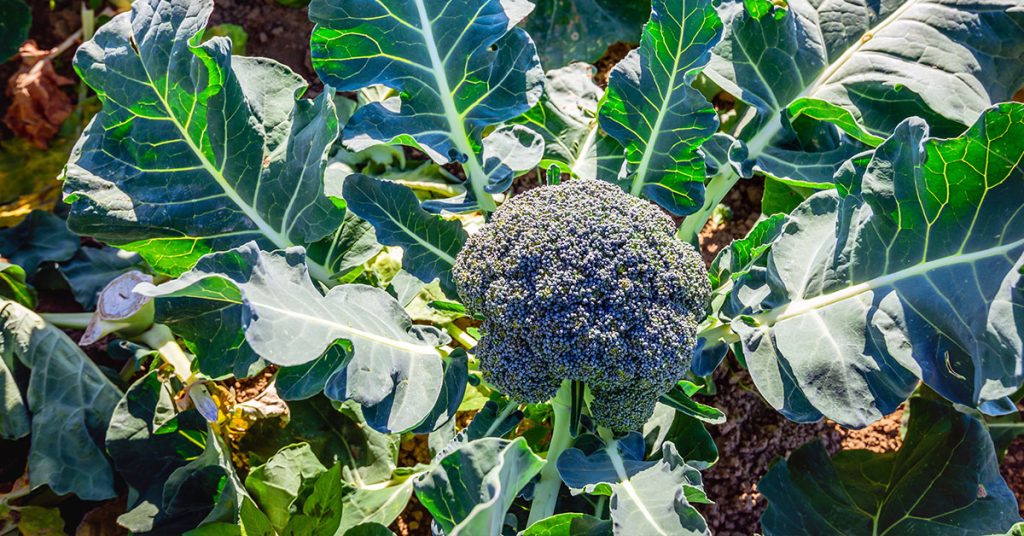
You don’t want to wait too long to get your brassicas in the ground! Broccoli, cabbage, cauliflower, and Brussels sprouts need time to mature before frost, and most of them actually taste better after a nip of cold. These crops are heavy feeders, so prep your beds with compost or a balanced fertilizer to help them settle in fast.
Most brassicas hail from Europe and the Mediterranean region, and they’re not considered invasive in the U.S.—but they do bring all the pests to the yard! Cabbage moths and aphids love to set up shop under the broad leaves, so I always cover mine with insect netting or row covers from the start. It’s such a bummer to grow perfect-looking broccoli only to find it full of worms!
Mulch to Retain Moisture and Block Weeds
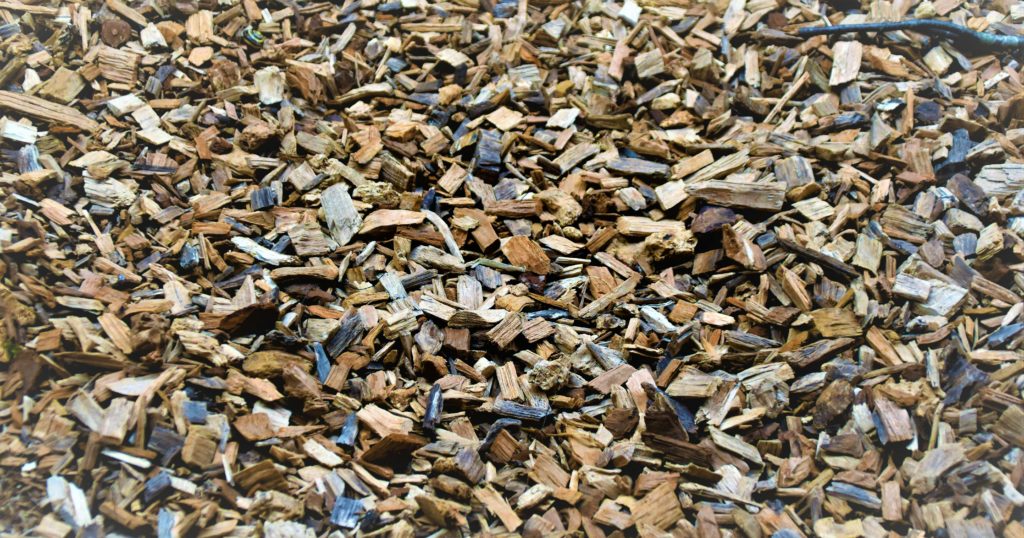
I always say that a well-mulched bed is a happy bed, especially in the late summer heat. Applying mulch around your fall crops helps conserve moisture, regulate soil temperature, and smother weed seeds before they germinate. You can use straw, shredded leaves, untreated grass clippings—whatever you have on hand!
Mulch also creates a perfect little habitat for ground beetles, frogs, and other helpful critters that patrol for pests. Just make sure you don’t pile it up against the stems of your veggies, which can lead to rot. And if you’re mulching with leaves, remember that native leaves (like oak or maple) break down more naturally and won’t introduce anything invasive to your beds.
Prune Back Spent Tomato and Pepper Foliage
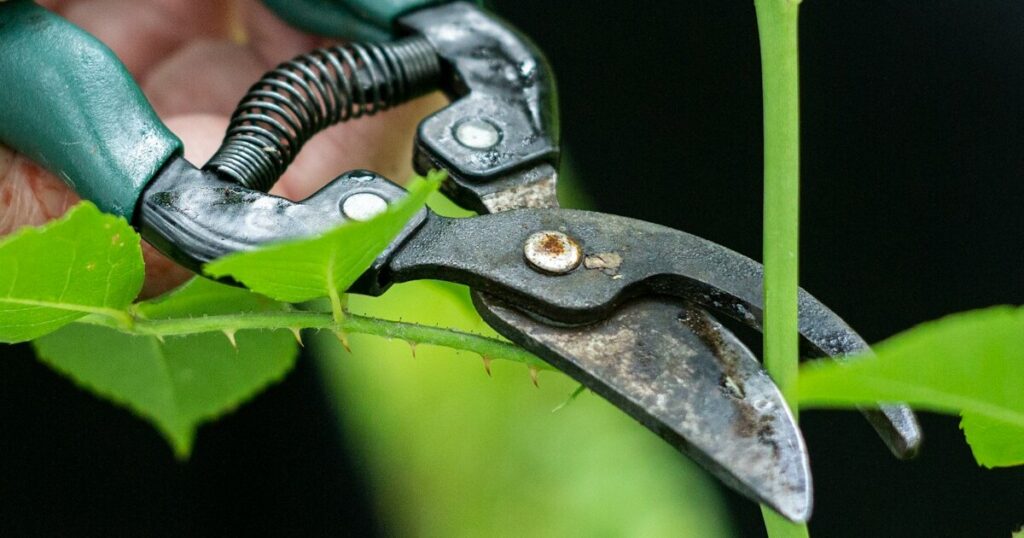
If your tomato or pepper plants look more like jungles than veggie producers, August is the perfect time to give them a little haircut. Pruning out excess foliage improves airflow, reduces disease pressure, and sends more energy into ripening the fruit that’s already set. Plus, removing any blossoms that won’t have time to mature can help the plant focus on what’s already growing.
Peppers hail from Central and South America, while tomatoes trace back to western South America. Neither are considered invasive in most gardens, but if left unchecked, they can definitely take over your beds! Birds like mockingbirds and sparrows often take interest in pepper plants, especially once the fruit begins to color up. You might even catch a few wasps hunting for caterpillars among the leaves!
Start a Second Round of Lettuce and Spinach
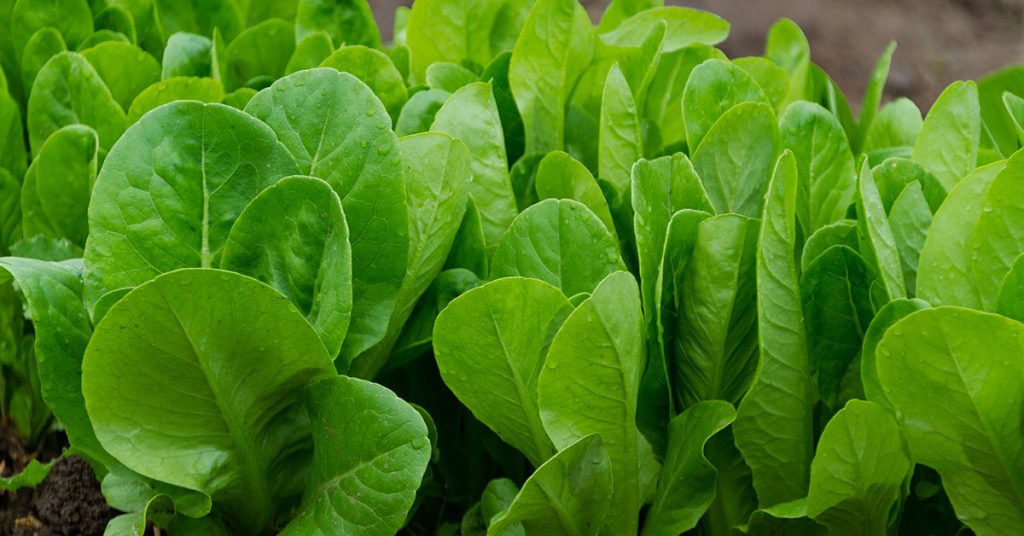
One of my absolute favorite things to do in August is sow another round of leafy greens! Lettuce and spinach thrive in cooler temps, and since they mature quickly—often in just 30 to 50 days—you’ve still got plenty of time to enjoy multiple harvests. Look for heat-tolerant varieties to get them going now, then switch to cold-hardy types in early September. Be sure to keep them moist and shaded during germination; a little shade cloth can work wonders.
Spinach (native to Persia) and lettuce (thought to have originated in the Mediterranean) aren’t invasive, but they can bolt quickly in the heat if you’re not careful. To avoid bitter leaves and early flowering, stagger your plantings every couple of weeks and consider using a mulch layer to keep the roots cool. Butterflies and bees love to visit bolting plants if you let a few go—so it’s not a total loss if something gets away from you!
Sow Carrots and Beets for a Sweet Fall Harvest

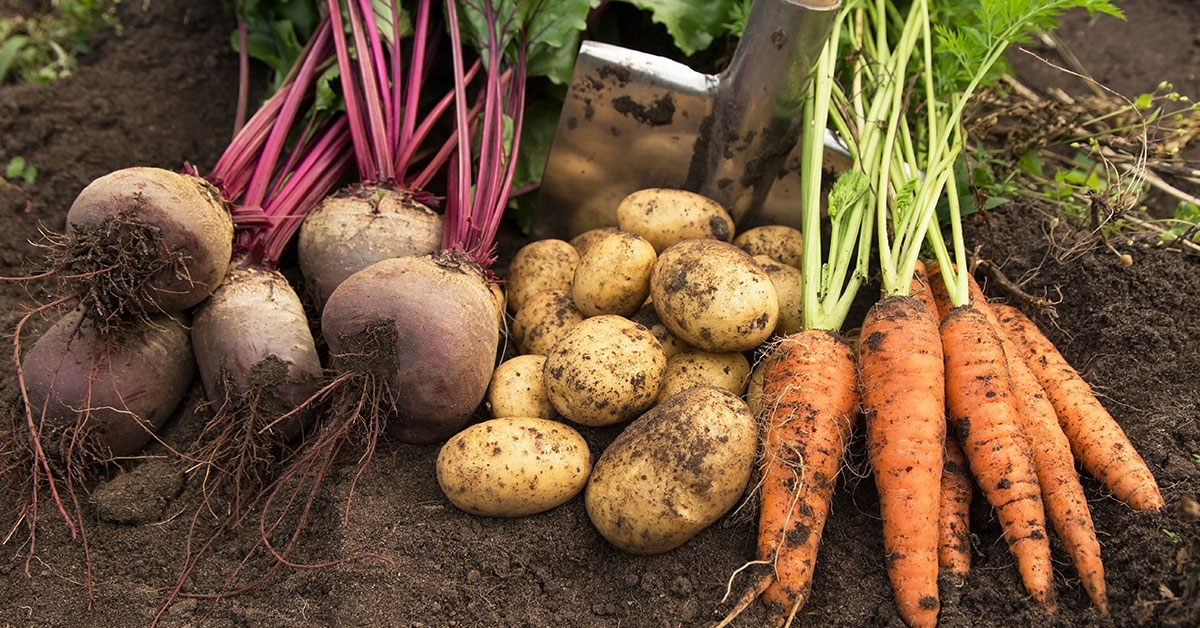
Root veggies like carrots and beets are absolutely delightful in fall—cool nights bring out their sweetness like nothing else. But timing is everything! Get them in the ground now, especially if you live in a zone where frost hits hard by October. Make sure the soil is loose and stone-free to avoid twisted roots, and keep it consistently moist during germination.
Carrots are native to Central Asia, and beets originated in the Mediterranean. Neither are invasive, but both can be a bit finicky if the weather is too hot or the soil dries out. Beets especially benefit from a little afternoon shade in August. Don’t be surprised if you spot pollinators like bees visiting beet flowers if you let some overwinter and bolt the following spring!
Water Deeply and Consistently
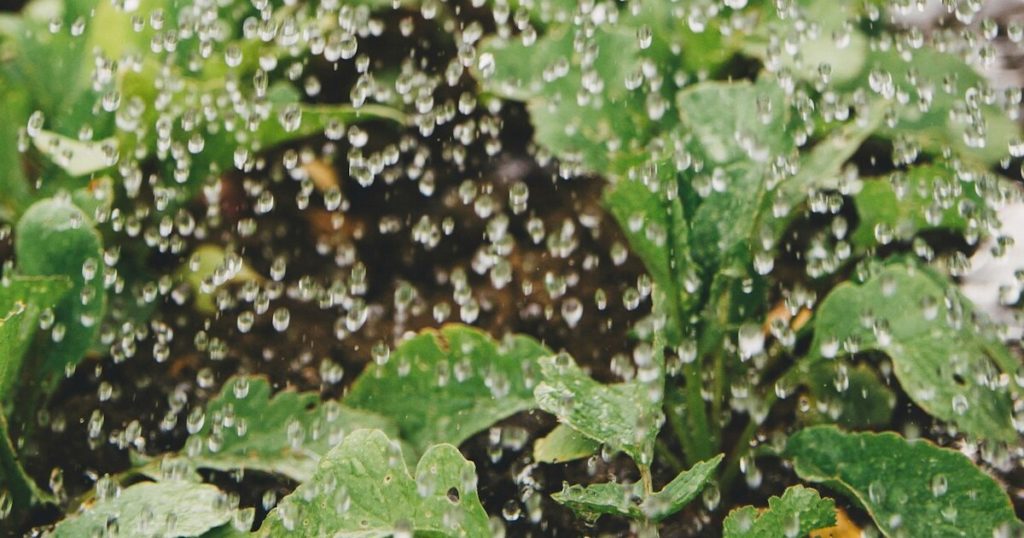
August heat can be brutal, and shallow watering just won’t cut it. I like to water deeply but less frequently—this encourages roots to grow deeper, making plants more drought-resistant in the long run. Aim for early morning watering to minimize evaporation and reduce fungal risks.
Inconsistent watering is the fastest way to end up with split tomatoes, bitter lettuce, and stressed-out plants. I’ve learned this the hard way more than once! Birds and bees will often come to drink from drippers and shallow dishes too, so providing consistent moisture supports your local wildlife in more ways than one.
Side-Dress with Fertilizer to Boost Growth
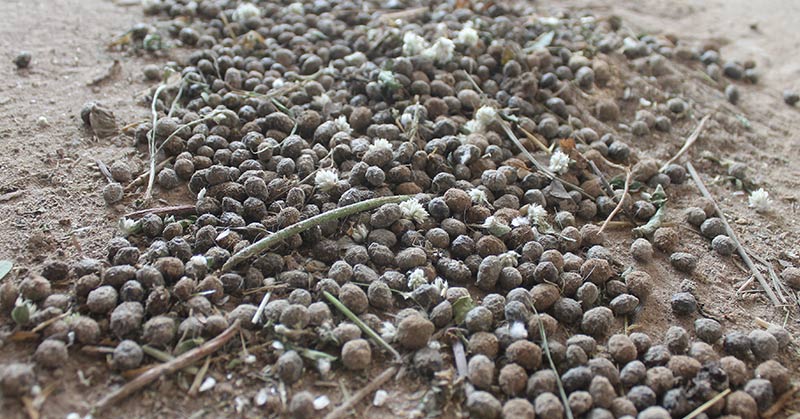
By mid-August, your fall crops may need a little extra food to keep growing strong. I like to side-dress with a balanced organic fertilizer or even a diluted fish emulsion to give plants a steady supply of nutrients. Just sprinkle it along the sides of the row and water it in—no need to disturb roots.
This little nutrient boost is especially helpful for heavy feeders like kale, broccoli, and collards, which tend to get a little sluggish without regular feeding. Keep an eye out for signs of nutrient deficiencies like yellowing leaves or stunted growth. And as always, watch how the wildlife reacts—squirrels and raccoons sometimes sniff around freshly fertilized beds out of curiosity!
Install Row Covers to Keep Bugs and Heat at Bay
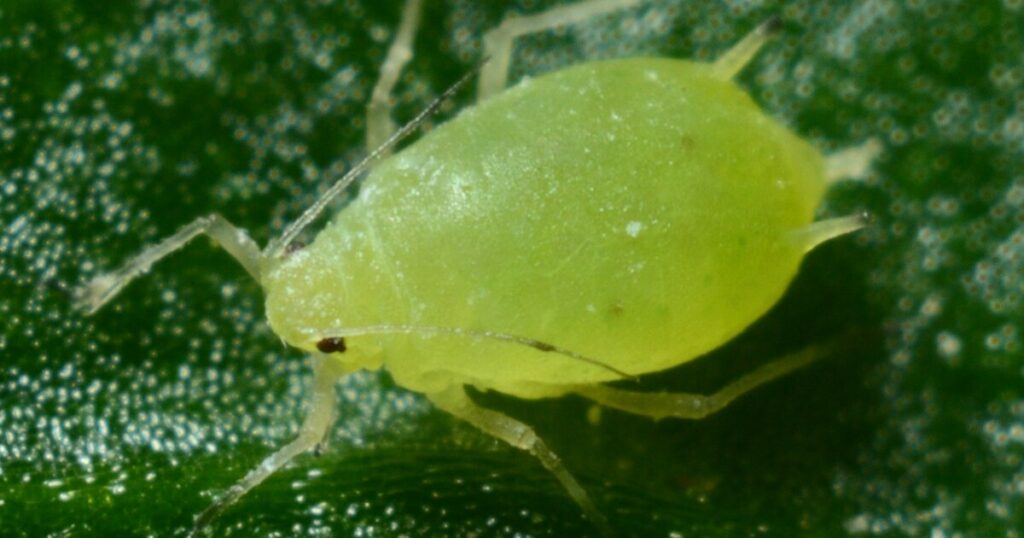
August pests are relentless. Cabbage loopers, aphids, and squash bugs don’t take vacations, and neither should your pest defenses. Lightweight row covers can help keep these pests away while also providing a bit of cooling shade for young seedlings. It’s especially helpful for tender fall transplants trying to adjust to the lingering heat.
Many beneficial insects like ladybugs and lacewings will still find their way underneath if you leave the ends open for airflow. Just be sure to anchor the edges well—sudden August storms have a way of turning row covers into parachutes! And while row covers themselves obviously aren’t native or invasive, they can definitely help prevent invasive pests from getting too comfortable in your garden.