
Late summer has a way of sneaking up on us. One minute, your herb garden is bursting with fragrant basil, tender parsley, and vigorous mint, and the next, you’re noticing a few leaves yellowing or the plants looking a bit tired. That’s your cue—it’s time to give your herbs the attention they need before September rolls around. A little work now can keep your herbs productive into fall and help them come back strong next year. I’ve learned from experience that herbs can quickly lose flavor, health, or even their lives if we ignore them during this transition period.
Getting your herb garden in shape before September isn’t just about tidiness—it’s about preserving flavor, preventing pests from overwintering, and making sure perennial varieties store enough energy to survive the cold months ahead. Whether you grow herbs for cooking, teas, medicinal use, or pollinator attraction, these steps will help keep your garden thriving. Let’s dig into the ways you can protect, rejuvenate, and get the very best from your herbs before the seasons change.
Harvest and Preserve Excess Growth
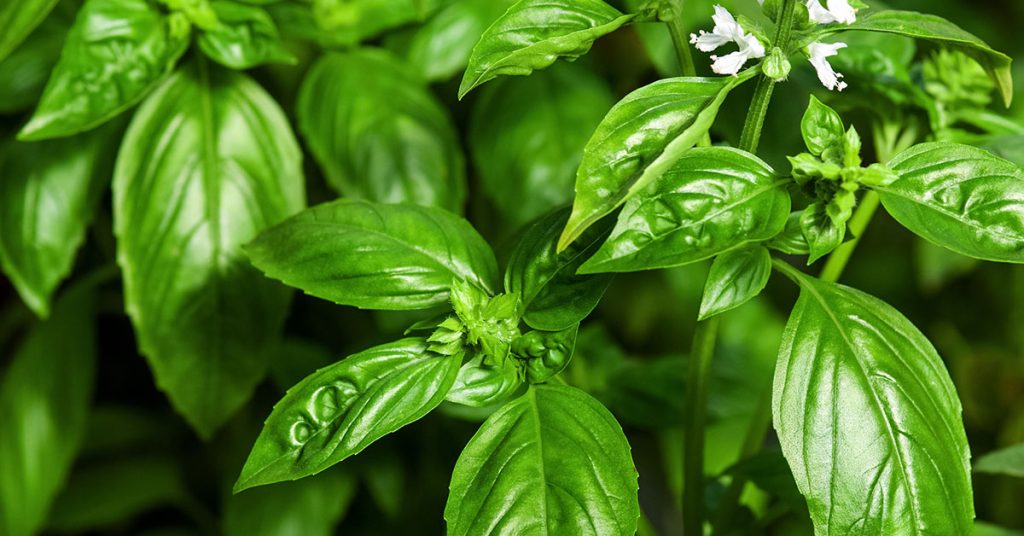
By late August, many herbs are at their peak, and if you don’t harvest regularly, they can become woody, leggy, or go to seed. Cutting back basil, oregano, and thyme now encourages fresh, tender growth while preventing the plants from exhausting themselves. Harvesting in the morning, when the essential oils are most concentrated, will give you the most flavorful results.
Preserving your harvest ensures you’ll have herbs to enjoy well past the growing season. You can dry sage and rosemary for winter roasts, freeze parsley and cilantro for soups, or make basil pesto to store in the freezer. This is also the time to save seeds from plants like dill and coriander if you want to replant them next year.
Trim Back Woody Perennials
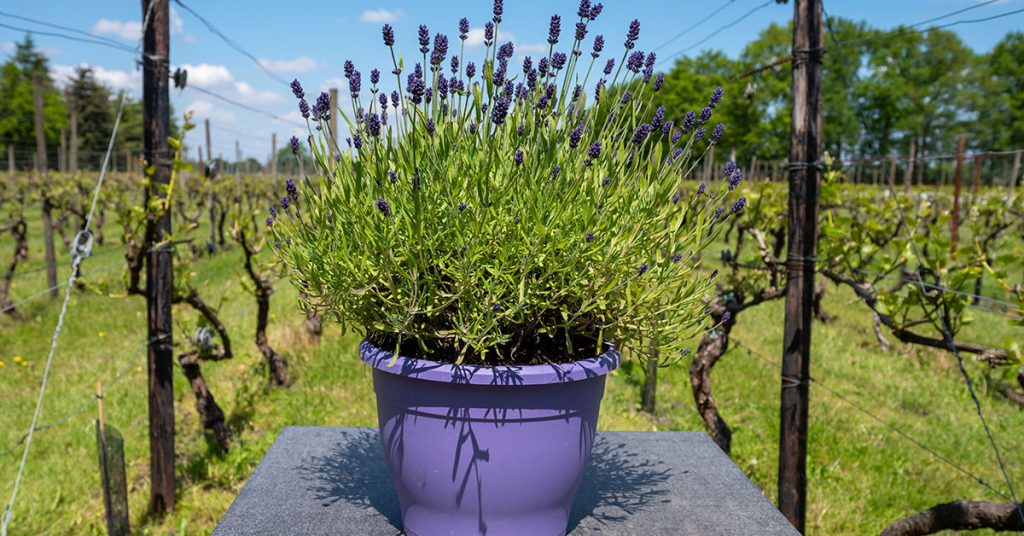
Perennial herbs such as rosemary, lavender, and thyme benefit from a late-summer trim. Removing old, woody stems encourages new growth and keeps the plant’s shape compact. Be careful not to cut into the oldest wood on rosemary and lavender, as they may not resprout from those sections.
These plants are often native to the Mediterranean, where they’re accustomed to hot, dry summers followed by cooler, wetter seasons. Trimming them now mimics the natural grazing and weathering they’d experience in their native habitats, ensuring they remain healthy without becoming invasive in your space.
Check for Pest Damage

September can be a sneaky time for pest problems. Aphids, spider mites, and caterpillars can quickly multiply and damage herbs if left unchecked. Inspect the undersides of leaves, where pests often hide, and remove any heavily infested foliage. A gentle spray of water or a homemade soap solution can be enough to dislodge most small insects.
If you’ve been attracting pollinators like bees and butterflies to your herb flowers, be mindful of the treatments you use. Choose pollinator-safe remedies, and avoid spraying during the day when beneficial insects are most active.
Refresh Container Soil

Potted herbs can suffer from nutrient depletion and compacted soil by late summer. Gently removing the plant, loosening the root ball, and adding fresh potting mix can give them a burst of vitality. Mixing in compost or worm castings also replenishes essential nutrients.
This is particularly important for heavy feeders like basil and parsley. Herbs in containers dry out and leach nutrients more quickly than those in the ground, so this refresh will help them keep producing flavorful leaves until frost.
Mulch to Conserve Moisture
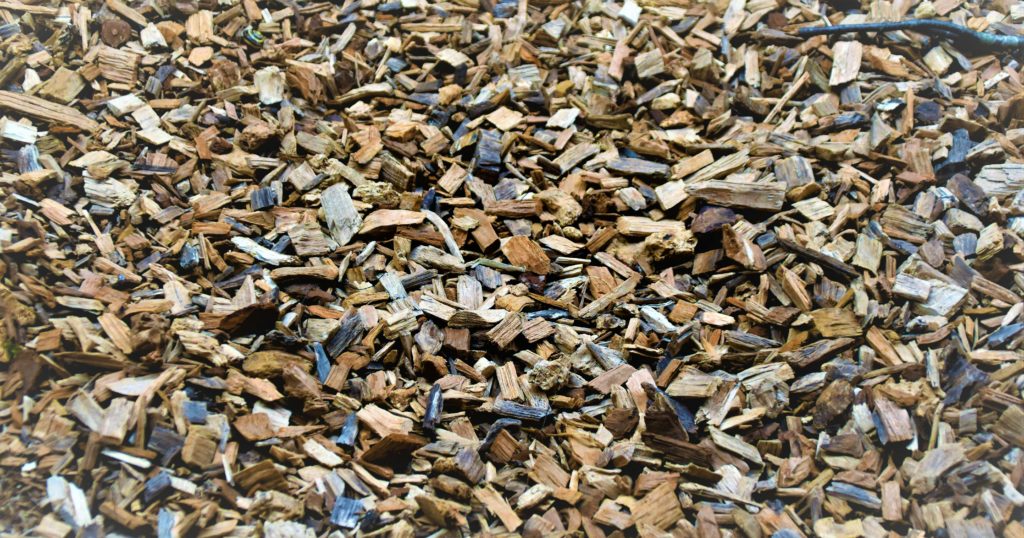
Adding a thin layer of organic mulch around your herbs helps regulate soil temperature and retain moisture. This is especially valuable for perennial herbs preparing for winter, as it keeps their roots stable through fluctuating late-summer temperatures.
Herbs like mint, which is native to temperate regions, naturally grow in moist soils. Mulching can help mimic those conditions without overwatering. Just be careful not to pile mulch against stems, as it can encourage rot.
Remove Flower Spikes on Tender Herbs
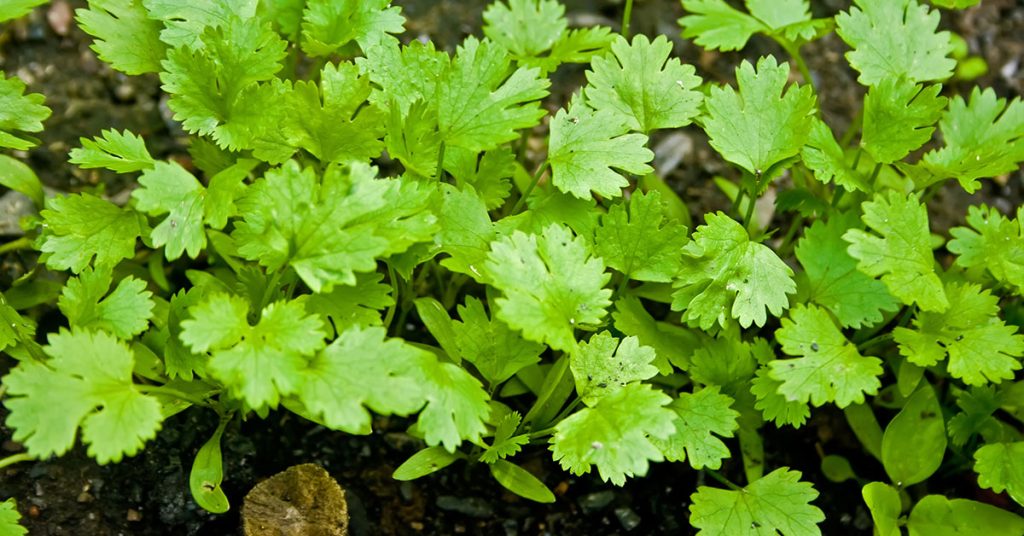
Once tender annual herbs like basil or cilantro flower, their leaf flavor often declines. Removing flower spikes redirects the plant’s energy into foliage production, extending your harvest. Pinching off flowers regularly can give you weeks of extra flavorful leaves.
While allowing some herbs to bloom can be great for attracting bees and butterflies, balance is key. I like to let one or two plants flower for pollinators while keeping others pruned for cooking.
Divide Overcrowded Clumps
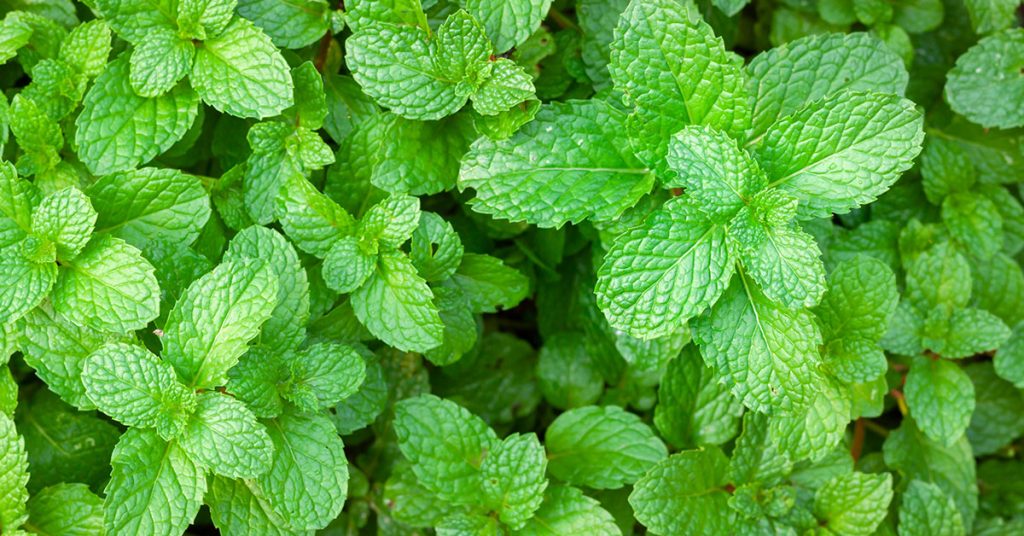
Herbs like chives, oregano, and mint can become overcrowded after a few seasons, leading to reduced vigor. Dividing the clumps now gives each section more room to grow and can prevent aggressive spread in the case of mint.
Division also provides an opportunity to share plants with friends or move them to new spots in your garden. This rejuvenation keeps perennial herbs healthier and more productive in the long term.
Fertilize Lightly for a Final Push
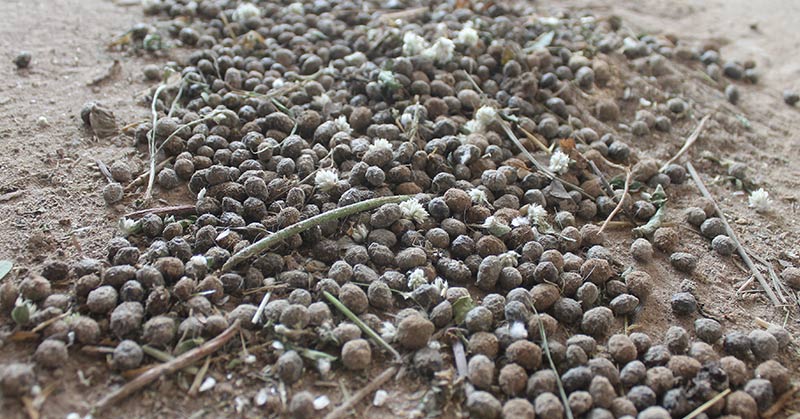
A light feeding in late summer can help herbs store energy before the cooler weather arrives. Choose a balanced, organic fertilizer, as too much nitrogen at this stage can lead to soft, frost-sensitive growth.
Mediterranean natives like rosemary and thyme prefer lean soils, so be sparing with fertilizer for them. On the other hand, leafy herbs like basil and parsley can benefit from a little extra nutrition to produce lush foliage before their season ends.
Bring Tender Potted Herbs Indoors
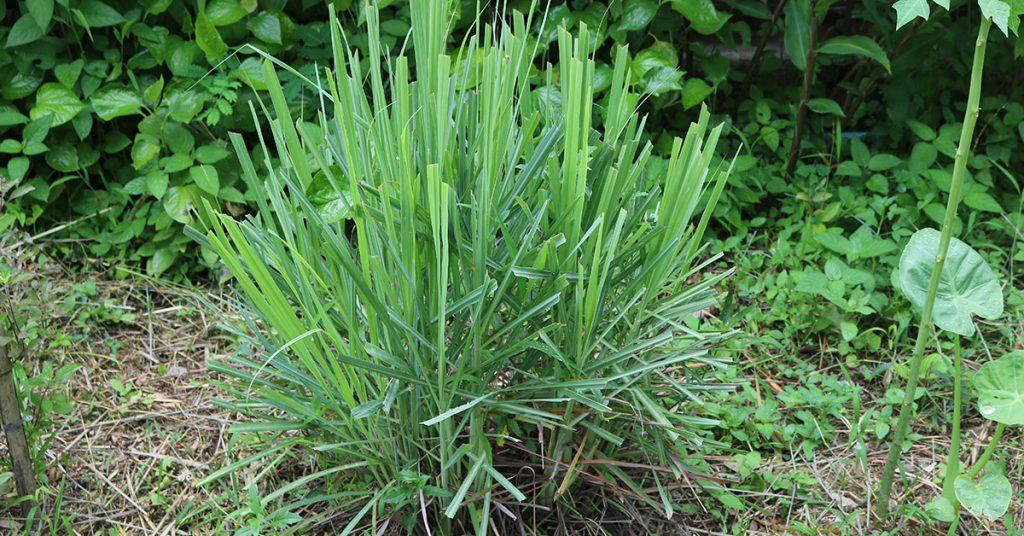
Tropical and subtropical herbs such as lemongrass, bay laurel, and certain types of basil can’t tolerate frost. Bringing them indoors before temperatures drop below 55°F prevents shock and keeps them alive until next spring.
Before moving them inside, check for pests and prune any damaged leaves. Once indoors, place them near a sunny window or supplement with grow lights to keep them thriving through winter.
Save Seeds for Next Year

Collecting seeds from mature herbs is a cost-effective way to prepare for next season. Coriander, dill, fennel, and anise produce seeds that can be dried and stored in a cool, dry place.
Seed saving also helps preserve heirloom varieties and ensures you’re growing plants well-suited to your climate. Plus, it’s satisfying to know your next crop is coming from plants you’ve nurtured yourself.
Plan for Overwintering Perennials
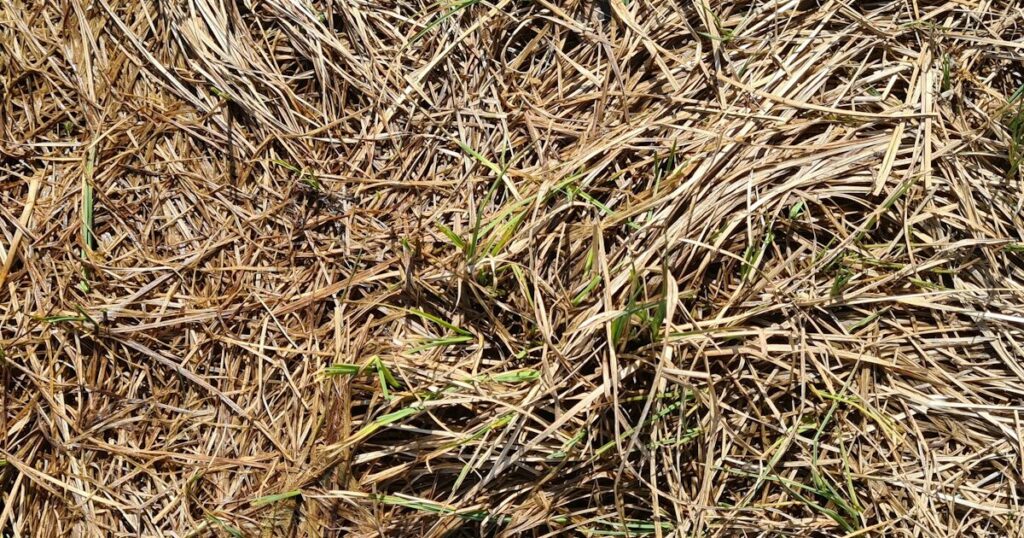
Some perennial herbs will need protection to make it through winter, especially in colder zones. Adding a layer of straw mulch, using cloches, or moving pots to sheltered spots can help them survive freezing temperatures.
Lavender, sage, and rosemary benefit from this extra care, particularly if they’re not fully hardy in your region. Planning now means you won’t be scrambling to protect them during the first frost warning.