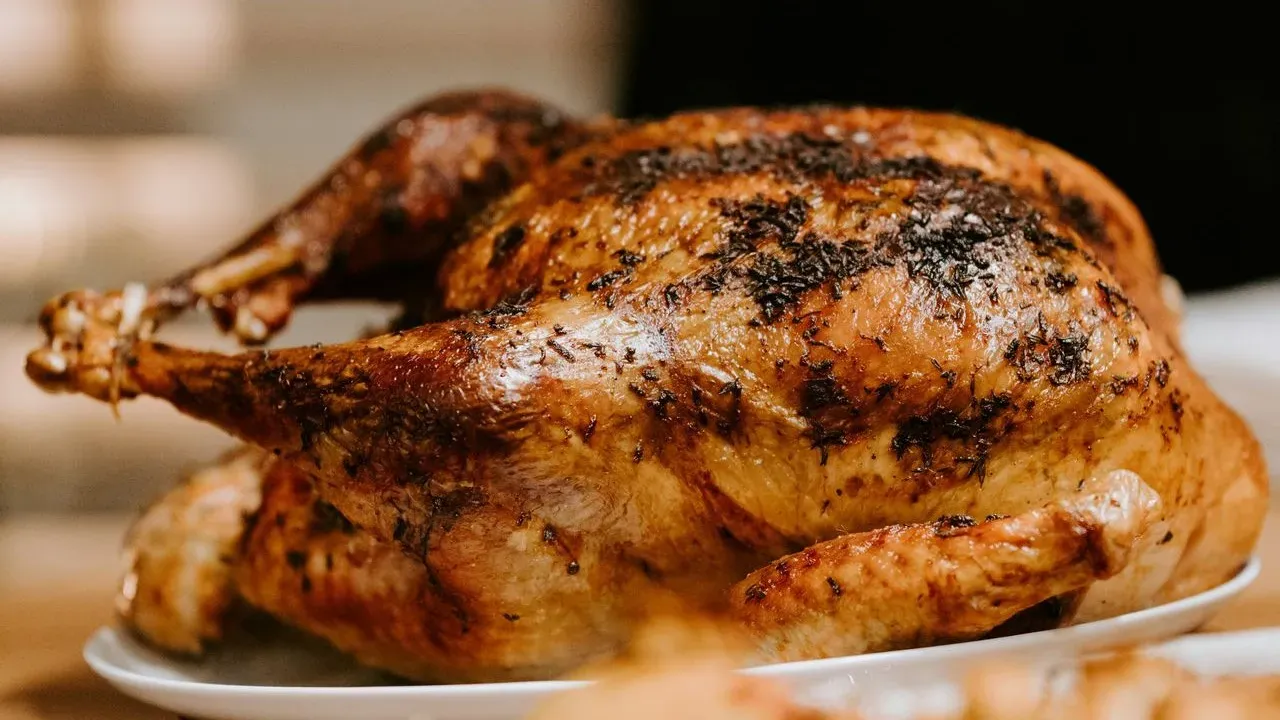

Many home cooks rinse a raw bird under the faucet before it goes into the oven, often without thinking twice. Food safety experts say a safe holiday meal depends on a few practices that run against that instinct, and planning ahead matters as much as technique ([1]). With Thanksgiving days away, the advice is getting fresh attention.
A habit that persists despite the warnings
A 2020 survey found that 78% of participants reported washing or rinsing turkey before cooking, even though federal agencies have recommended not washing turkey or chicken since 2005 ([2]). The gap between recommendation and kitchen practice is why the message keeps returning each November.
The concern is the sink more than the bird. Water can splash bacteria up to 3 feet surrounding your sink, which can lead to illnesses. Research shows that washing meat or poultry in water spreads bacteria throughout the kitchen, onto countertops, other food, towels and you. ([3]) Cooking the turkey to the right temperature is what eliminates bacteria, so the rinse adds risk without adding protection ([4]).
The brined exception
Brined birds are the main case where rinsing has a place. Cooks who buy a brined turkey, or brine at home, must rinse the brine off before the turkey goes into the oven. The USDA suggests a tight routine for that job:
- Clear dishes, dish towels, sponges and other items away from the sink.
- Set the roasting pan beside the sink so the bird can move straight into it.
- Hold the turkey so it drains into the sink, then lower it gently into the pan.
- Skip any scrubbing of the rest of the bird, then clean and sanitize the sink and surrounding area.
Those steps keep the splash contained. Anyone who skips them should treat the sink as contaminated until it has been thoroughly cleaned.
What to do instead of rinsing
Dry the bird rather than wash it. One practical method is to pat the turkey dry with paper towels and toss them, or use a kitchen towel and disinfect it in the laundry. ([5])
Thawing needs as much planning. Thawing a frozen turkey on the kitchen counter or in hot water is not safe. The refrigerator remains the preferred route, with roughly 24 hours for every four to five pounds of turkey. Cold water is faster, but the bird should stay in its original wrapping and must be cooked immediately after thawing.
Checking doneness and cleaning up
A thermometer is the only dependable way to confirm the bird is done. The turkey should reach a safe minimum internal temperature of 165 °F, measured with a food thermometer in the innermost part of the thigh and wing and the thickest part of the breast. Stuffing cooked inside the bird needs to hit the same number at its center, which is one reason many cooks bake stuffing in a separate dish.
Hygiene during prep carries equal weight. Wash your hands with soap and water for at least 20 seconds before and after handling turkey. Use one cutting board for raw turkey and a separate cutting board for produce, bread, and other foods that won’t be cooked. Cleaning matters after the bird is in the oven, too. Counters, utensils and dishes should be washed with hot soapy water before the next item is prepared.
The shift is simple in principle: leave the turkey unwashed, plan the thaw, and let the thermometer decide when dinner is ready. Those steps protect the meal without asking anyone to abandon the holiday.
AI Disclaimer: This article was created with the assistance of AI tools and reviewed by a human editor.