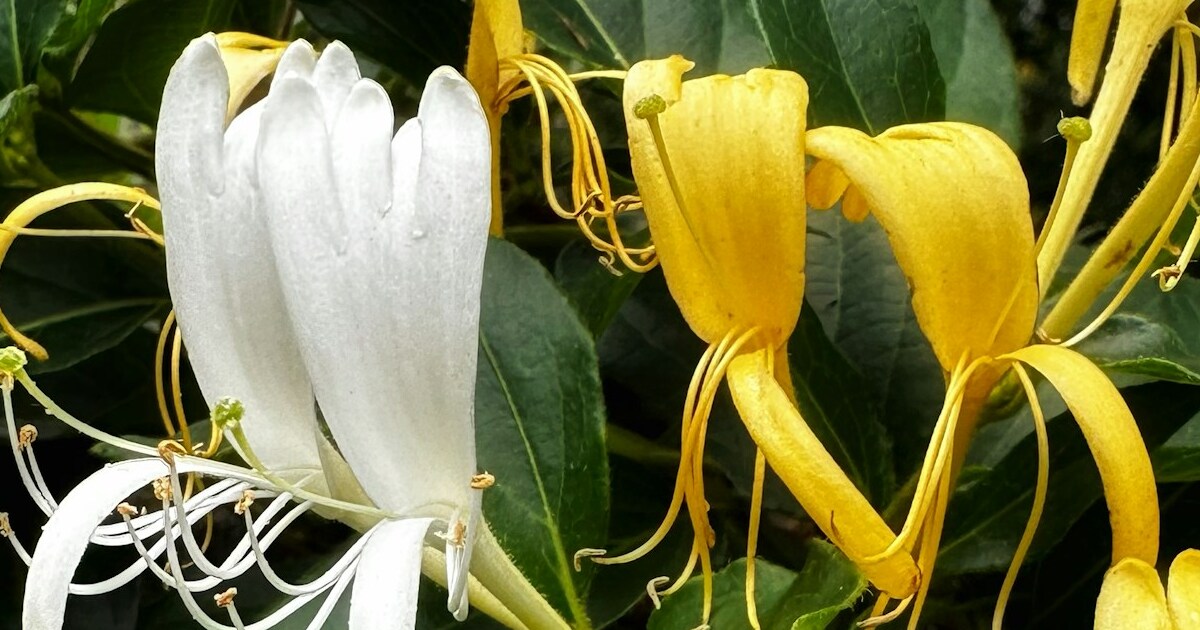

There’s nothing quite like the heady perfume of honeysuckle wafting down the garden path, beckoning bees, hummingbirds, and your own nostalgia for carefree summer days. But it’s such a bummer when those vigorous vines sulk, refuse to bloom, or worse—become leggy and tangled without a single blossom! As a gardener who’s spent seasons coaxing every last petal from these fragrant climbers, I’m thrilled to share the must‑do care tips that will keep your honeysuckle thriving.
Honeysuckles (Lonicera spp.) hail from temperate woodlands across Europe, Asia, and North America—though a few, like Japanese honeysuckle (Lonicera japonica), can naturalize aggressively if unattended. While we adore their nectar‑rich flowers that attract pollinators, it’s crucial to respect their growth habits and origin stories. Let’s explore the eleven essential needs you can’t overlook if you want a flourishing display of irresistible blooms!
Provide Ample Sunlight

One of the most common slip‑ups is tucking honeysuckle into too much shade. In their native habitats—think sun‑dappled edges of European forests or Asian mountain slopes—these vines relish at least six hours of bright sun daily. Insufficient light often leads to sparse flowering and legginess as the plant stretches toward any available rays!
When I first planted Lonicera sempervirens in a shady nook, I barely got a single blossom. Moving it to a sunnier fence line transformed it overnight into a riot of tubular flowers. Observing hummingbirds dart to each blossom reminded me why light is non‑negotiable for this nectar‑lover!
Ensure Well‑Drained, Fertile Soil
Honeysuckles demand soil that balances moisture retention with quick drainage—similar to the loamy woodland floors they evolved in. Heavy clay or waterlogged beds invite root rot, while pure sand leaves vines thirsty and undernourished. Amending with organic compost and grit gives you the “just right” mix.
It’s so frustrating when crowns sit in soggy earth; I once lost a promising vine after an unusually wet spring. After digging in well‑rotted leaf mold and pea gravel, the same spot now supports vigorous growth and endless blossoms every season!
Install Strong Structural Support
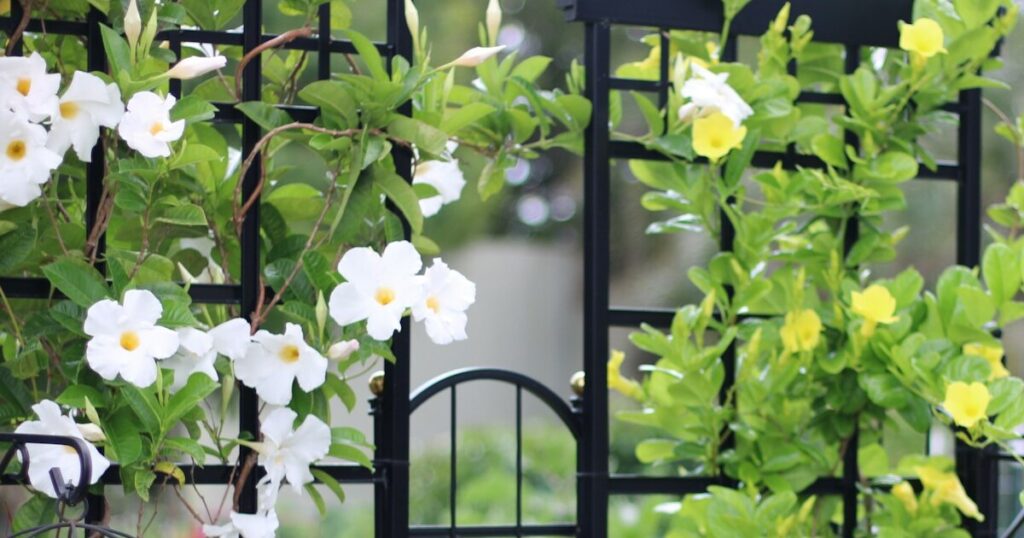
These climbers can reach 15–20 feet (or more), twisting around anything in reach. Without a sturdy trellis, fence, or arbor, stems flail in the wind, break easily, or sprawl across the ground. Providing a solid framework early—ideally before the first year’s growth thickens—sets vines up to scale gracefully.
I know how discouraging it is to chase loose tendrils during every gust! A neighbors’ discarded shepherd’s hook became my secret weapon: with a few cable ties, my honeysuckle hugs that curve and climbs skyward, unfazed by storms, and offering a canopy of sweet blooms above my head.
Establish a Regular Pruning Routine
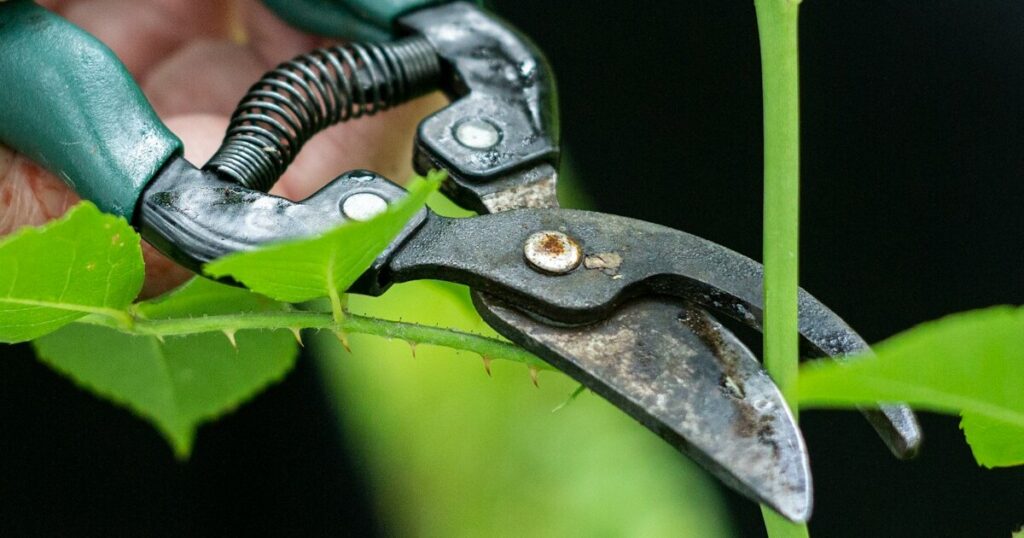
Pruning isn’t just for tidiness—it rejuvenates flowering wood and controls the rampant habit of some varieties. In late winter or early spring, remove dead or overly tangled canes, cutting back to outward‑facing buds. After flowering, a light trim curbs seed set in invasive types and encourages new bloom spurs!
One season I skipped pruning altogether, and my vine became a dense thicket choked with old wood—hardly a flower in sight. A decisive haircut cleared old stems and ushered in a flush of juvenile growth brimming with next year’s buds. Trust me, a little snip goes a long way toward a spectacular display!
Maintain Consistent Moisture—But Don’t Overwater
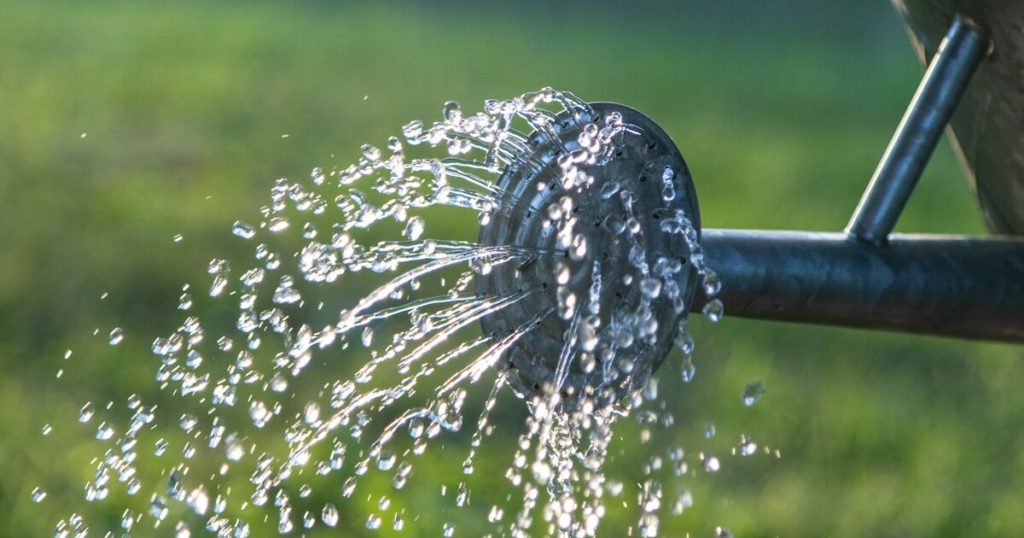
While honeysuckles need steady moisture during establishment, they don’t appreciate being waterlogged. In their native meadows, rain is regular but drains away swiftly. I give young plants a deep soak once weekly in dry spells, then taper off once they’re settled, allowing the soil surface to dry slightly between waterings.
It’s such a bummer when blooms shrivel from both drought stress and rot. After adjusting my irrigation timer to shorter, more frequent cycles, my vines never wilt, and flowers remain plump—another small tweak that made a big difference in plant health!
Feed with Balanced Fertilizer
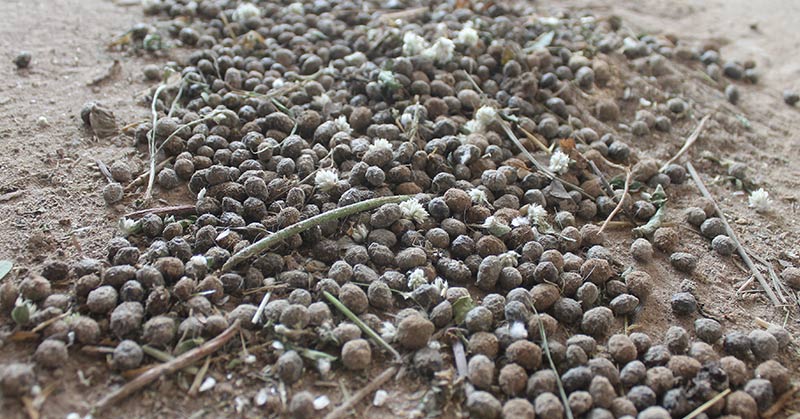
Honeysuckles are heavy feeders, especially when in bloom. In early spring, I apply a slow‑release, balanced fertilizer (10‑10‑10) around the drip line, then top‑dress with compost mid‑summer to sustain flowering. Avoid excessive nitrogen, which can flood the vine with leaf growth at the expense of buds.
I learned this the hard way when one vigorous vine produced chartreuse foliage but zero flowers. Switching to a bloom‑boosting formula rich in phosphorus restored those coveted tubular blooms—each one a magnet for bees and hummingbirds!
Monitor for Pests and Diseases
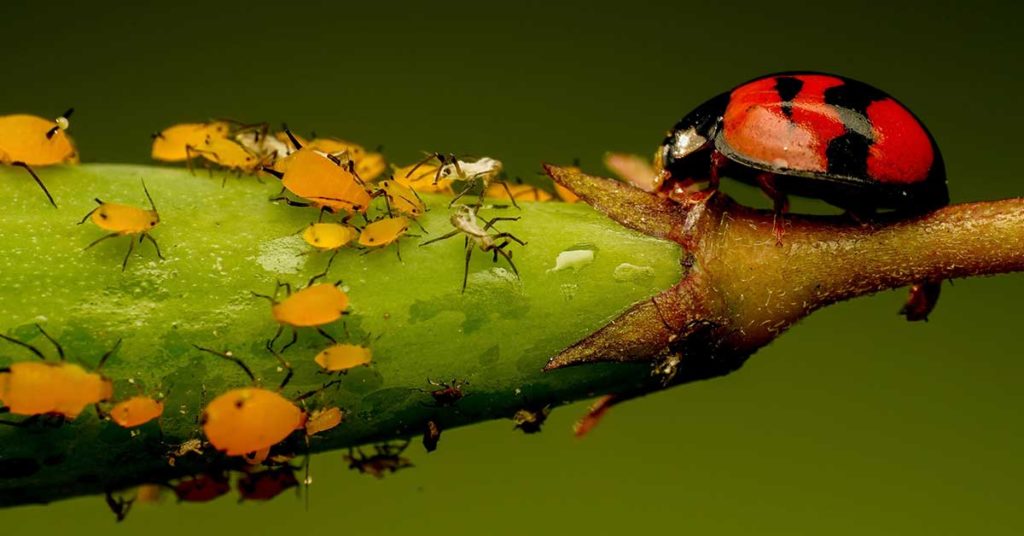
Honeysuckles can attract aphids that cluster on new growth, and a telltale sign of fungal trouble is wilting or brown spots on leaves. It’s tempting to ignore a few insects, but unchecked populations can stunt growth and reduce blooms. A weekly inspection and gentle blast of water or organic neem spray keeps bugs at bay.
One of my favorite parts of caring for honeysuckle is spotting ladybugs feasting on aphids—that little ecosystem balance feels deeply satisfying! Promptly removing any diseased foliage also prevents opportunistic fungi from gaining a foothold.
Manage Invasive Varieties Responsibly
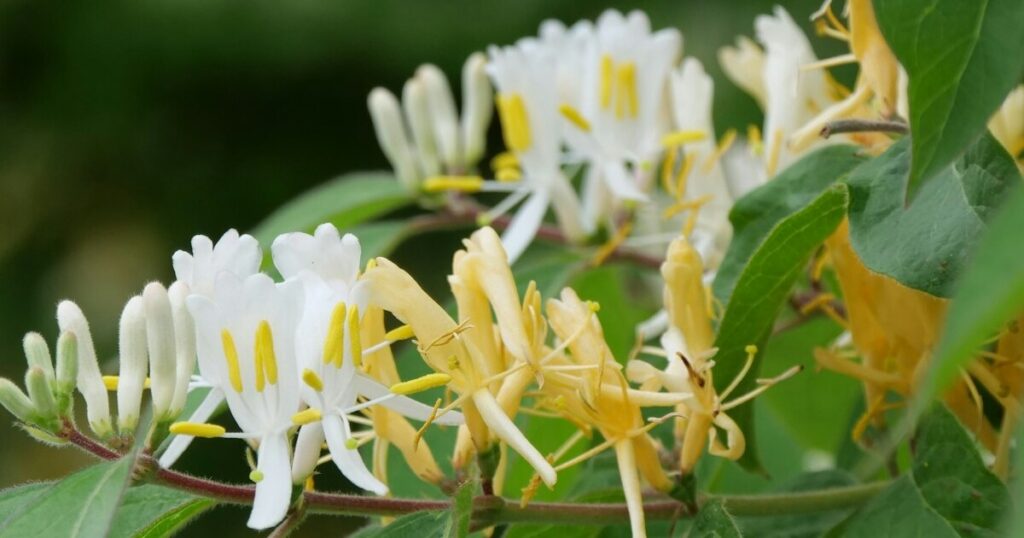
Japanese honeysuckle, while fragrant and floriferous, spreads via underground runners and seed, overrunning native plants if unchecked. In regions where it’s invasive, plant only non‑running cultivars or containment varieties like Lonicera japonica ‘Halliana’. Deadhead spent flowers before seeds form and trim runners promptly.
I love that sweet scent, but I once found unwelcome vines three fences over! Adopting a strict removal routine for stray shoots keeps my garden in balance and ensures I’m not adding to local invasions—responsible gardening at its finest.
Provide Winter Protection in Cold Zones
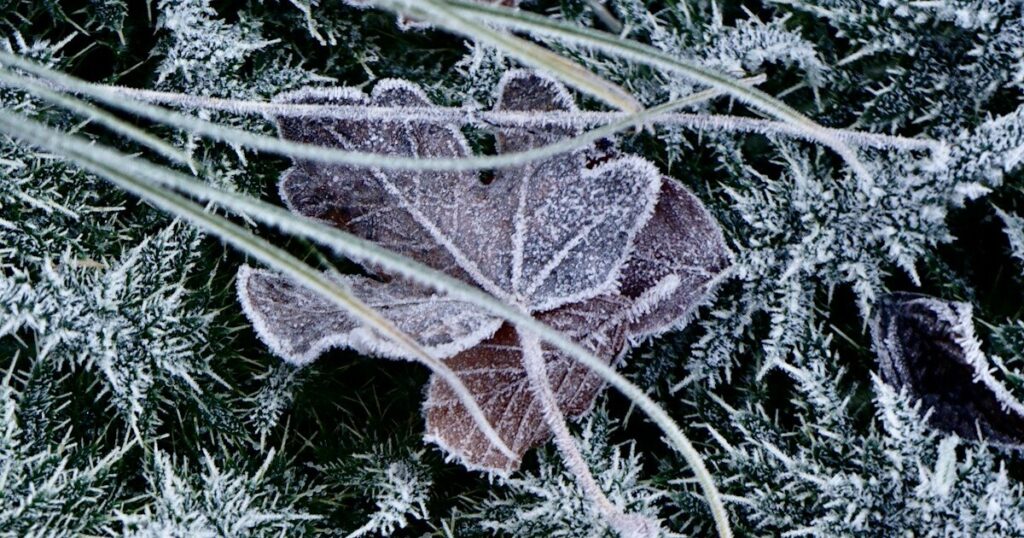
Though many honeysuckles tolerate USDA zones 4–9, young plants benefit from a winter mulch in colder regions. A 2–3‑inch layer of shredded bark or straw around the base insulates crowns and prevents freeze‑thaw heaving. Exposed roots in harsh winters often lead to dieback and delayed spring growth.
It was such a relief when I mulched diligently one year and watched frost‑bitten vines bounce back vigorously come April. Protecting your investment ensures those first blushes of spring arrive on time, every year!
Train and Tie New Growth
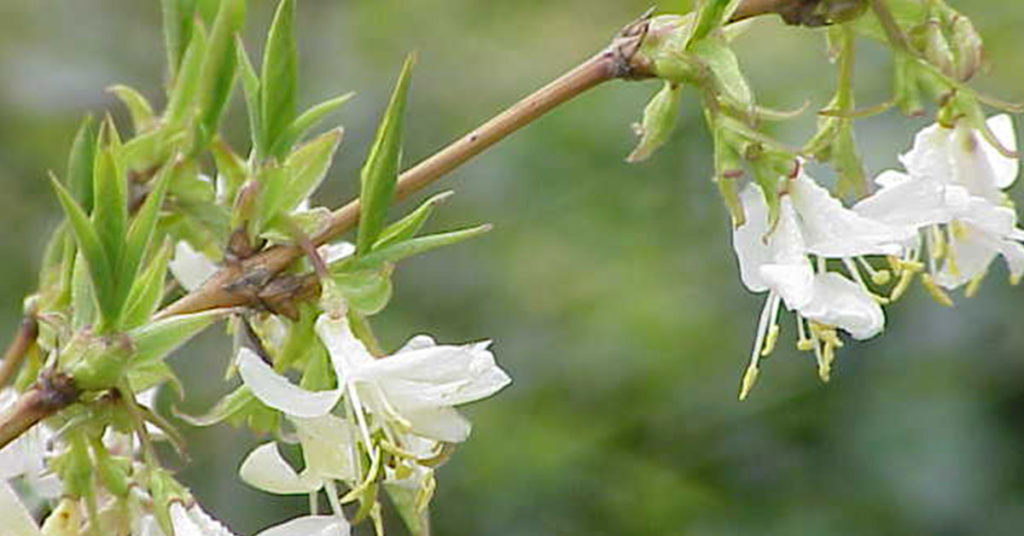
Honeysuckle stems are naturally twining, seeking a host to spiral around. To guide them on your chosen structure, gently wrap developing shoots clockwise (or the direction your species prefers) and secure with soft horticultural ties. Without this guidance, vines can flail or become entangled in undesirable patterns.
I’ve spent afternoon tea-times patiently weaving new growth onto a pergola beam, and emerging flowers lining that arch feel like nature’s own garland overhead! Early training saves you headaches down the road and guarantees a neat, intentional display.
Select Complementary Companions
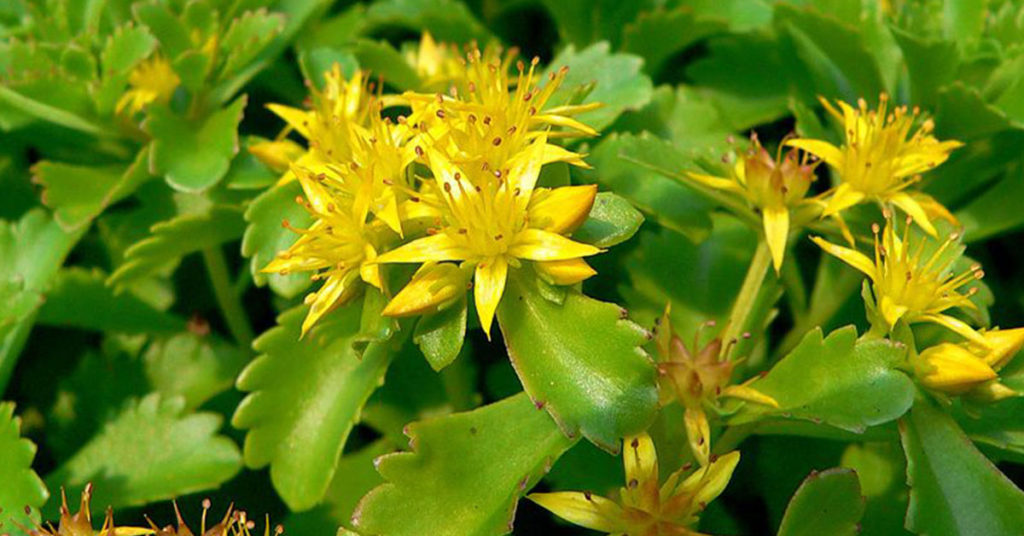
Pairing honeysuckles with groundcovers or shrubs beneath them helps disguise bare stems and suppress weeds. Good companions include creeping thyme, sedum, or low‑growing boxwood. In their native wild edges, honeysuckles weave through grasses and woodland undergrowth—so mimicking that mix enriches the ecosystem.
I once tucked a patch of creeping phlox beneath my Lonicera periclymenum, and come spring the purple phlox carpet set off the honeysuckle’s pink blooms like a living tapestry. It’s such a thrill to witness bees flitting between layers of color—a dynamic garden conversation in bloom!