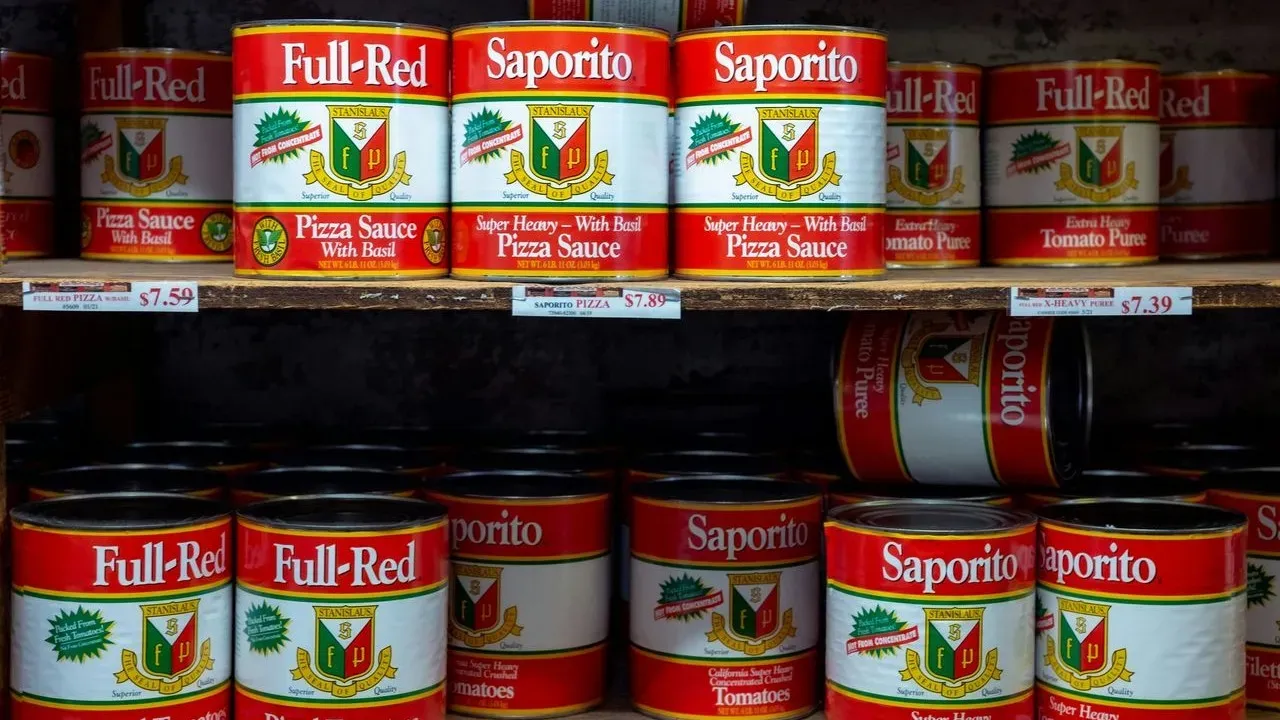

Canned tomatoes remain a pantry staple for many home cooks and gardeners who preserve their harvest. Yet questions about their longevity often arise when a can sits on the shelf for months or even years. Official guidance from the USDA clarifies that dates on these products relate primarily to quality rather than strict safety cutoffs, provided the can stays intact and properly stored.
Unopened Cans in the Pantry
The USDA places high-acid canned goods, including tomatoes, at 12 to 18 months for best quality when kept in a cool, dry pantry. Other sources such as Oregon State University Extension suggest a shorter window of 8 to 12 months, while certain manufacturers list up to 36 months for specific products. These periods serve as recommendations for optimal flavor and texture rather than hard expiration points. A sealed can stored below 85°F can often remain usable beyond the printed date. USDA materials emphasize that dates on shelf-stable foods do not indicate safety in the same way they do for infant formula. Still, any can showing bulging, leaking, or deep dents along seams should be discarded immediately regardless of the date.
Handling Opened Cans
Once opened, canned tomatoes require prompt refrigeration at 40°F or below. The USDA recommends using the contents within 5 to 7 days when transferred to a clean glass or plastic container. Some labels and extension services advise even shorter periods, with one source suggesting no more than 2 days for maximum caution. Storing leftovers in the original can is technically permitted by the USDA, though moving them to another container better preserves flavor and prevents metallic tastes. Any portion left at room temperature should be discarded after two hours, or one hour if the surrounding temperature exceeds 90°F. Planning ahead helps avoid waste when recipes call for only part of a can.
Recognizing Signs of Spoilage
Inspecting the can before opening provides the first line of defense. Bulging lids, leaks, heavy rust that cannot be wiped away, or deep dents near seams all signal potential problems that warrant disposal. A can that spurts liquid upon opening or releases an off odor also requires immediate discarding. Mold growth on the tomatoes themselves represents another clear reason to throw the contents away. Surface rust that rubs off easily on an otherwise undamaged can is generally not a concern. Absence of these visible issues does not guarantee safety, however, so conservative judgment remains the best practice.
Freezing and Home-Canned Options
Leftover tomatoes from an opened commercial can can be frozen after transfer to a suitable container. University of Illinois Extension notes that frozen tomatoes maintain best quality for 10 to 12 months when kept at 0°F, though they remain safe longer if the freezer temperature stays consistent. Home-canned tomatoes follow similar quality guidelines, with one year recommended for peak condition and use advised before two years. Proper processing from the start matters more than age alone for home-canned jars. Any jar with a broken seal, bulging lid, or leak should be discarded without tasting. Rotating stock and labeling purchase dates helps ensure older cans are used first while they still deliver good results in sauces, soups, and stews.
Practical Storage Habits
A cool, dry location away from heat sources and moisture supports the longest shelf life for unopened cans. Temperatures above 100°F can accelerate quality loss, while damp conditions promote rust. Writing the purchase month on the lid and keeping cans off concrete floors further reduces risk. These steps align with advice from multiple university extensions and federal agencies. When in doubt about any can, the safest choice is to set it aside and select a fresher one. Proper handling turns canned tomatoes into a reliable ingredient that extends the usefulness of garden harvests throughout the year.
AI Disclaimer: This article was created with the assistance of AI tools and reviewed by a human editor.