

Late summer is the perfect time to give some of your garden’s most reliable plants a fresh start. By dividing and transplanting perennials before September, you give them the best chance to settle in and establish roots before the cool weather arrives. I’ve learned over the years that waiting too long can lead to transplant shock, slow growth, and even losing a plant over winter. But if you act now, your perennials will reward you with more blooms, healthier growth, and better overall structure next year.
This isn’t just about keeping your garden looking neat—it’s also about rejuvenating plants that may have become overcrowded, encouraging more flowers, and preventing disease from taking hold in dense clumps. Many of these perennials are also magnets for pollinators and beneficial insects, so dividing them keeps your garden buzzing with life. If you’ve been noticing that some plants are producing fewer blooms or looking tired in the middle, it’s probably time to lift and divide them.
Coneflowers (Echinacea)

Native to North America, coneflowers are tough, drought-tolerant perennials that thrive in sunny spots. Over time, they can form large clumps, and the centers may start to thin out. Dividing them every few years keeps the plants vigorous and ensures a more even display of blooms.
Pollinators adore coneflowers—bees, butterflies, and even seed-loving birds like goldfinches rely on them. They’re not considered invasive when planted in the right conditions, but allowing them to self-seed freely can lead to them spreading more than intended.
Hostas
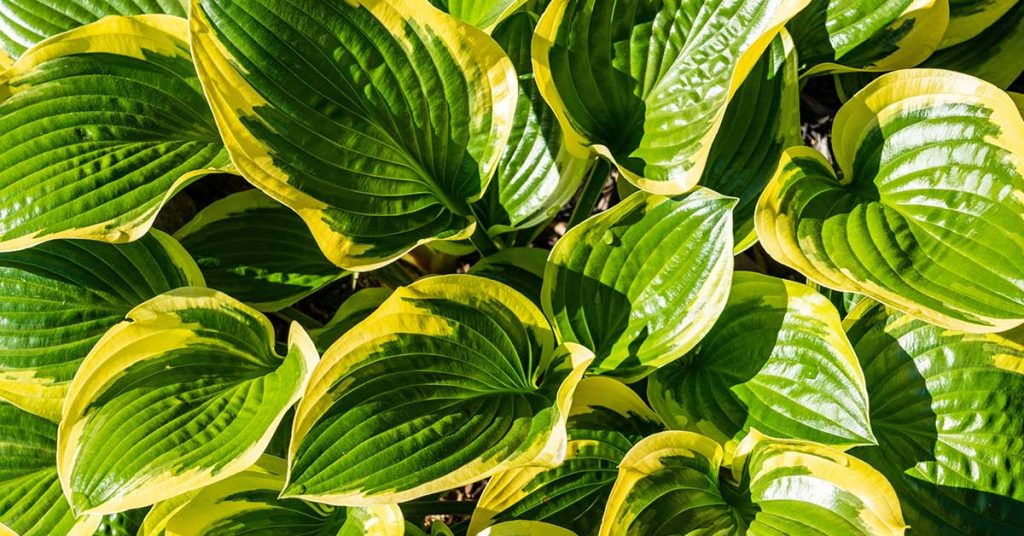
These shade-loving plants, native to East Asia, are a staple for gardens with low light. Their lush foliage can crowd itself out over time, leading to smaller leaves and fewer flowers. Dividing in late summer keeps the plants full and attractive.
While hostas aren’t major pollinator magnets, their summer blooms still attract hummingbirds and bees. They aren’t invasive, but slugs and deer are big fans, so keep an eye out for unwanted nibbling after transplanting.
Daylilies (Hemerocallis)
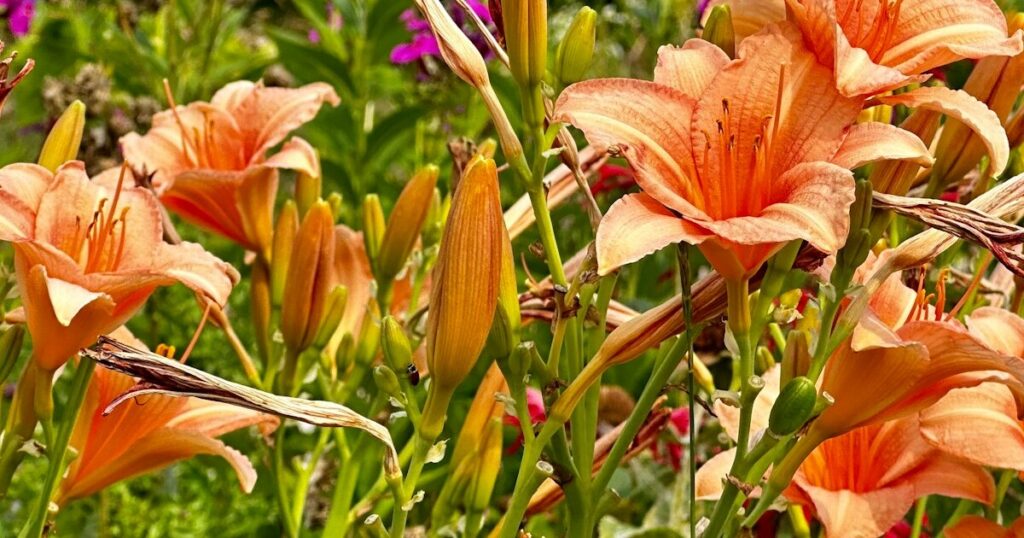
Originating from Asia, daylilies are known for their carefree nature and abundant blooms. Large clumps can become congested, which reduces flower production. Dividing them before September ensures they’ll bounce back strong next season.
Daylily flowers attract bees, butterflies, and even some moths. They’re generally non-invasive, but certain varieties can spread aggressively if not managed, so division also helps keep them contained.
Black-eyed Susans (Rudbeckia)
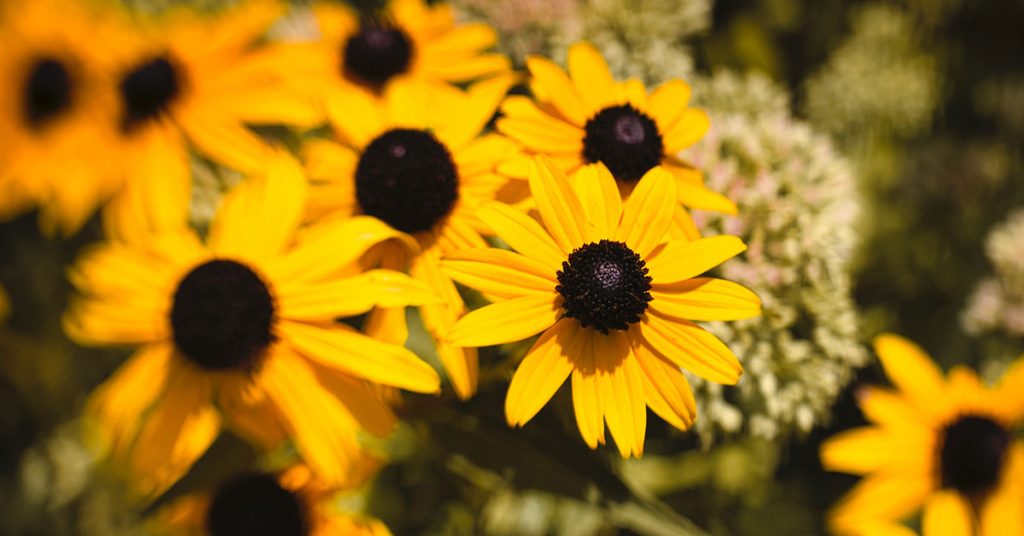
These cheerful flowers, native to North America, can form dense colonies over time. Dividing them prevents overcrowding, which can lead to powdery mildew and reduced flowering.
Rudbeckia is a pollinator powerhouse, drawing in bees, butterflies, and beetles. The seed heads feed birds in the fall, making them an important part of the local ecosystem. They’re not invasive but will self-seed readily if allowed.
Siberian Iris (Iris sibirica)

Native to central and eastern Europe and northern Asia, Siberian irises bring elegant early summer blooms to the garden. Overcrowded clumps can lead to fewer flowers and weaker growth, making late summer an ideal time to divide them.
Their nectar attracts bees and butterflies, and the foliage provides shelter for small wildlife. These irises aren’t invasive, but their rhizomes will slowly spread, making division necessary every few years.
Shasta Daisy (Leucanthemum × superbum)
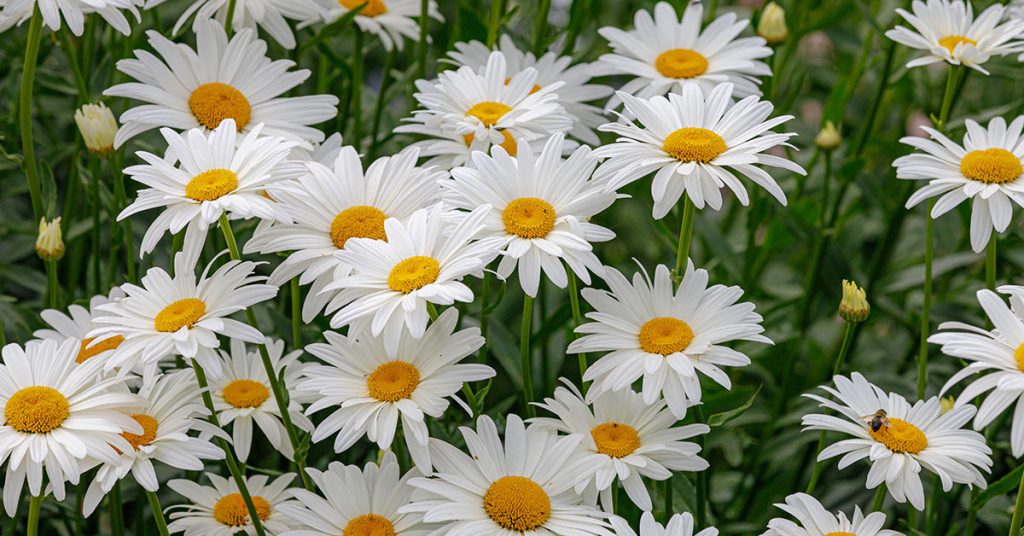
This hybrid daisy, with origins in Europe, is beloved for its clean white petals and sunny yellow centers. As the plants age, the centers of the clumps can die out, leading to less attractive growth.
Shasta daisies draw in a variety of pollinators, from butterflies to hoverflies. They aren’t considered invasive but can reseed in favorable conditions, so regular division helps control their spread and keeps them looking fresh.
Phlox (Phlox paniculata)
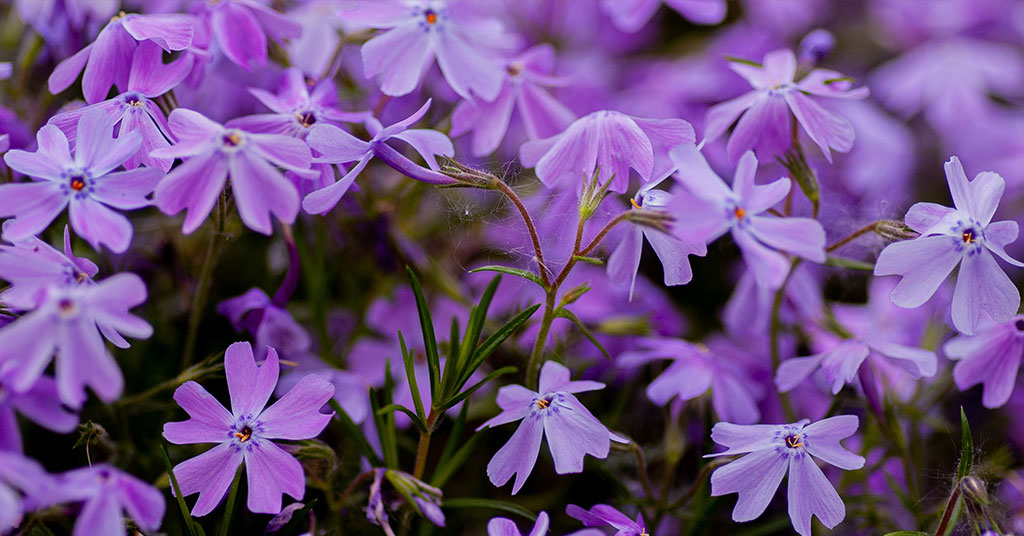
Native to North America, garden phlox is known for its fragrant blooms in shades of pink, purple, and white. Over time, dense growth can encourage powdery mildew, which is why thinning and dividing is so important.
Phlox is a pollinator magnet, drawing in butterflies, bees, and hummingbirds. It’s not invasive when maintained, but division helps manage size and airflow, reducing disease risk.
Sedum (Stonecrop)
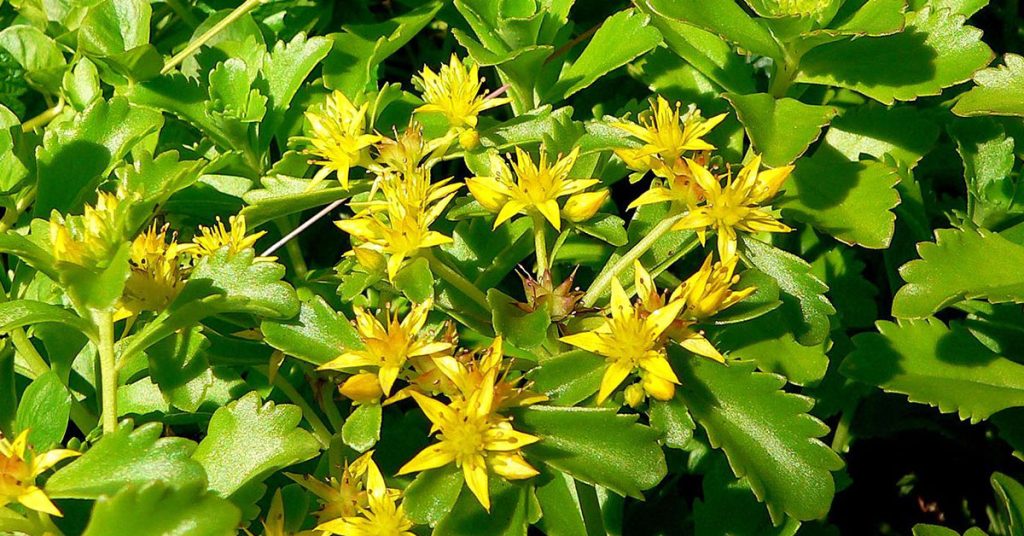
Sedums, native to many regions including North America and Eurasia, are drought-tolerant perennials that love sunny spots. Older clumps may flop or lose vigor, and dividing them rejuvenates their growth.
These plants are late-season nectar sources for pollinators, especially bees and butterflies. They’re not invasive, but they can spread steadily in optimal conditions, so division helps keep them in check.
Catmint (Nepeta)

Native to Europe, Asia, and Africa, catmint is prized for its long-lasting lavender-blue blooms. Clumps can become woody and less productive over time, making division essential for fresh, vigorous growth.
Catmint is beloved by bees and butterflies, and of course, cats! It’s not typically invasive, but some varieties can self-seed freely. Dividing keeps plants tidy and blooming well into fall.
Coreopsis
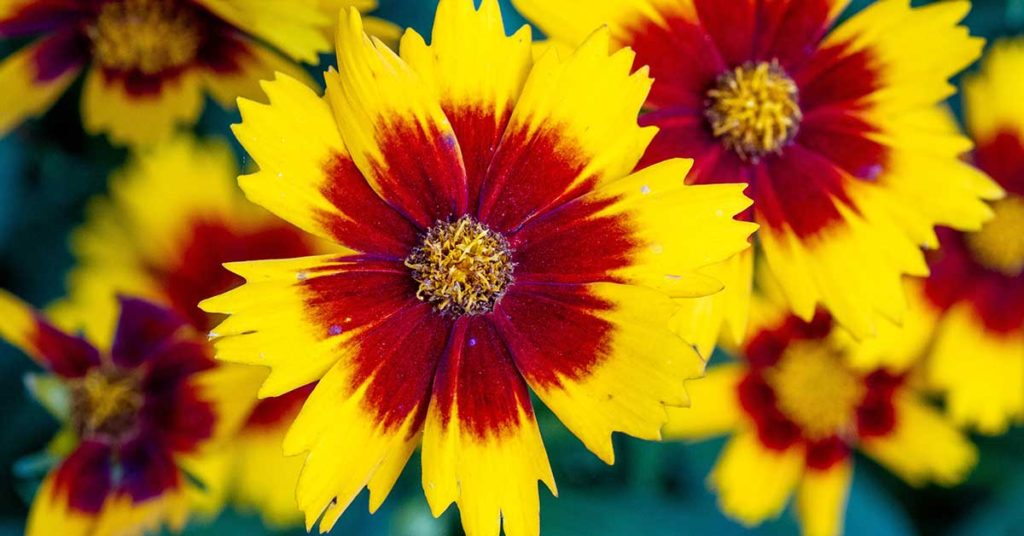
Native to the Americas, coreopsis brings bright, daisy-like flowers that are a beacon for pollinators. Overcrowded plants can see a drop in flowering, making late summer division ideal.
These plants provide nectar for bees and butterflies, and their seeds feed birds in autumn. Coreopsis is generally not invasive, though some species self-seed readily, so division helps manage their spread.
Bee Balm (Monarda)

Bee balm, native to North America, is famous for its vibrant blooms and strong scent. It can spread aggressively via rhizomes, so division every 2–3 years is often necessary to keep it under control.
Its flowers are irresistible to hummingbirds, bees, and butterflies. Dividing bee balm not only rejuvenates the plant but also helps prevent overcrowding, which can lead to powdery mildew.
Aster
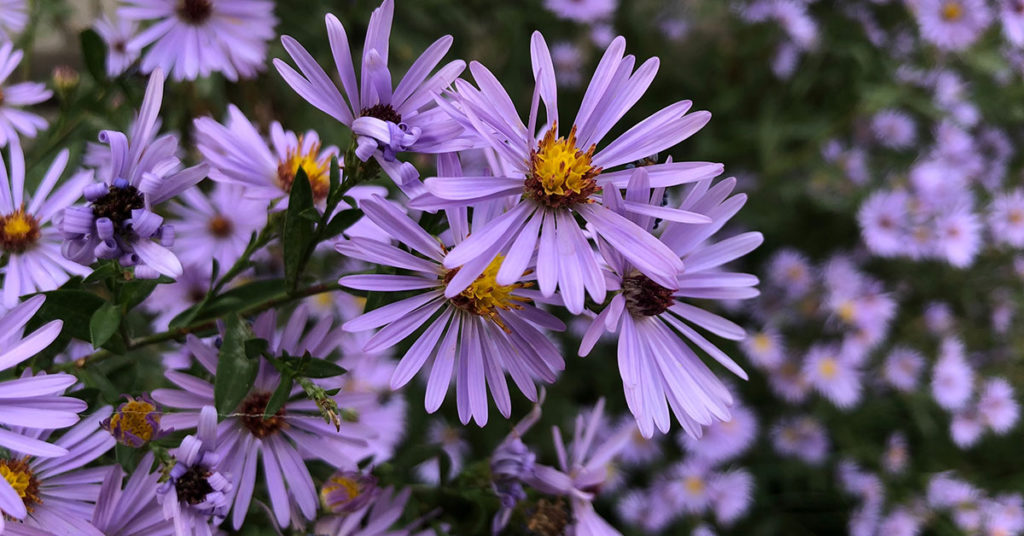
Native to North America, asters provide essential late-season nectar for pollinators. Overcrowded clumps can produce fewer flowers, so dividing them keeps them healthy and productive.
Their blooms attract bees, butterflies, and beneficial insects, and they’re not invasive when maintained. Asters are especially important for migrating monarchs, so keeping them in top shape benefits the wider ecosystem.
Hosta Lily-of-the-Valley (Hosta plantaginea)
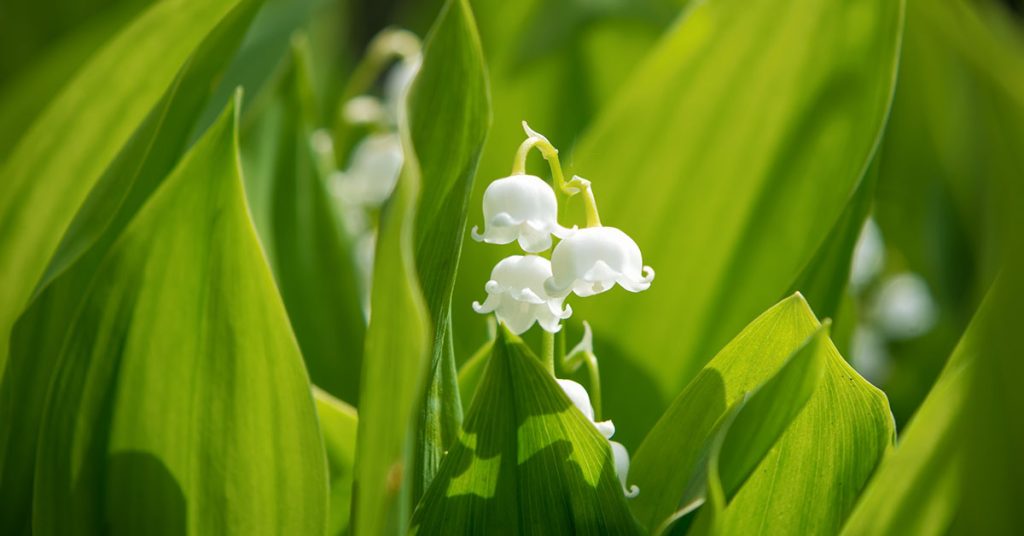
This fragrant hosta species, native to China, is grown for both its large leaves and sweetly scented flowers. Over time, clumps can become crowded and less vigorous. This delicate plant needs to be transplanted and should be watched after being divided.
The large leaves provide shelter for insects and small amphibians. They’re not invasive, but slugs can be an issue, so dividing and spacing them helps reduce pest pressure.
Yarrow (Achillea millefolium)
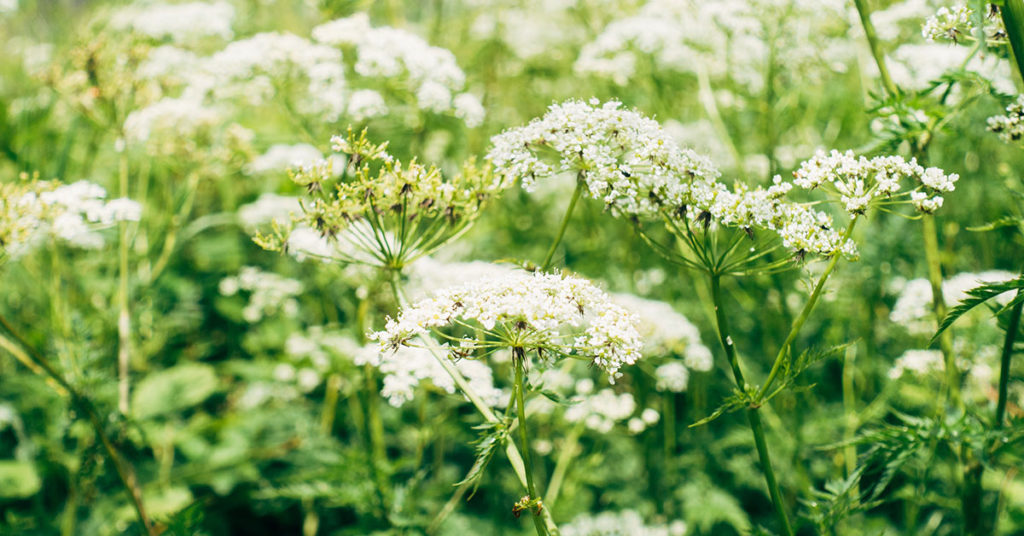
Native to temperate regions of the Northern Hemisphere, yarrow is a hardy perennial with ferny foliage and flat-topped flower clusters. Division keeps the plants from becoming too woody and sparse in the center.
Yarrow is excellent for attracting beneficial insects like predatory wasps and hoverflies. While it’s not generally invasive in maintained gardens, it can spread in the right conditions, so dividing helps keep it contained.
Blanket Flower (Gaillardia)

Native to North and South America, blanket flowers provide long-lasting blooms in warm, sunset shades. Overcrowded clumps can lose vigor, so dividing in late summer helps maintain their vibrant display.
These flowers are magnets for bees and butterflies, and they’re generally non-invasive. Their long bloom period makes them a valuable source of nectar for pollinators late in the season.