
Welcome to the world of gardening, where we explore the fascinating and diverse range of plant species that grace our green spaces. In this article, we will delve into the enchanting realm of the Diva Cucumber, a true gem among cucumbers.
Known for its exceptional flavor, vibrant green skin, and crisp texture, the Diva Cucumber is a favorite among gardeners and culinary enthusiasts alike. Whether you are a seasoned gardener looking to add a touch of elegance to your vegetable patch or a beginner eager to embark on a new gardening adventure, join us as we uncover the secrets to successfully growing and caring for the magnificent Diva Cucumber.
From planting and maintenance to harvesting and culinary inspiration, we will guide you every step of the way on your journey to cultivating this extraordinary vegetable.
What is a Diva Cucumber?
A Diva cucumber is a specific variety of cucumber known for its exceptional taste and texture. It is a member of the Cucumis sativus species, which is commonly cultivated for its edible fruit. The Diva cucumber plant typically grows as a vine and requires trellising or support to maximize its growth potential.
The fruit of the Diva cucumber is elongated and smooth, with a vibrant dark green color. It is known for its thin, tender skin, which does not require peeling, making it an ideal choice for salads and fresh eating. The cucumber has a crisp and juicy flesh, offering a refreshing and mildly sweet flavor. One of the notable characteristics of the Diva cucumber is its resistance to common cucumber diseases, such as powdery mildew, cucumber mosaic virus, and scab.
This resistance makes it a popular choice among gardeners as it reduces the need for pesticides and increases the chances of a successful harvest. The Diva cucumber plant is a prolific producer, yielding an abundance of fruit throughout the growing season. It thrives in full sun and well-drained soil, requiring regular watering to maintain optimum growth.
It is recommended to harvest the cucumbers when they reach a length of 6-8 inches for the best flavor and texture. Overall, the Diva cucumber is a highly regarded variety among gardeners and cucumber enthusiasts. Its exceptional taste, disease resistance, and abundant production make it a popular choice for home gardens and commercial cultivation alike.
What does Diva Cucumber taste like?
Diva cucumbers are known for their exceptional taste. They have a crisp and refreshing flavor that is mild and slightly sweet. The flesh of the Diva cucumber is tender and juicy, making it a delightful addition to salads, sandwiches, and even as a snack on its own. The taste is often described as clean and smooth, with hints of melon and cucumber essence. Overall, the Diva cucumber offers a delightful balance of sweetness and freshness, making it a favorite among gardeners and cucumber enthusiasts alike.
How to start Diva Cucumber from seed
Starting a Diva cucumber plant can be done by following a few simple steps:
- Selecting Seeds: Purchase high-quality Diva cucumber seeds from a reputable supplier or garden center. Ensure that the seeds are fresh and have not expired.
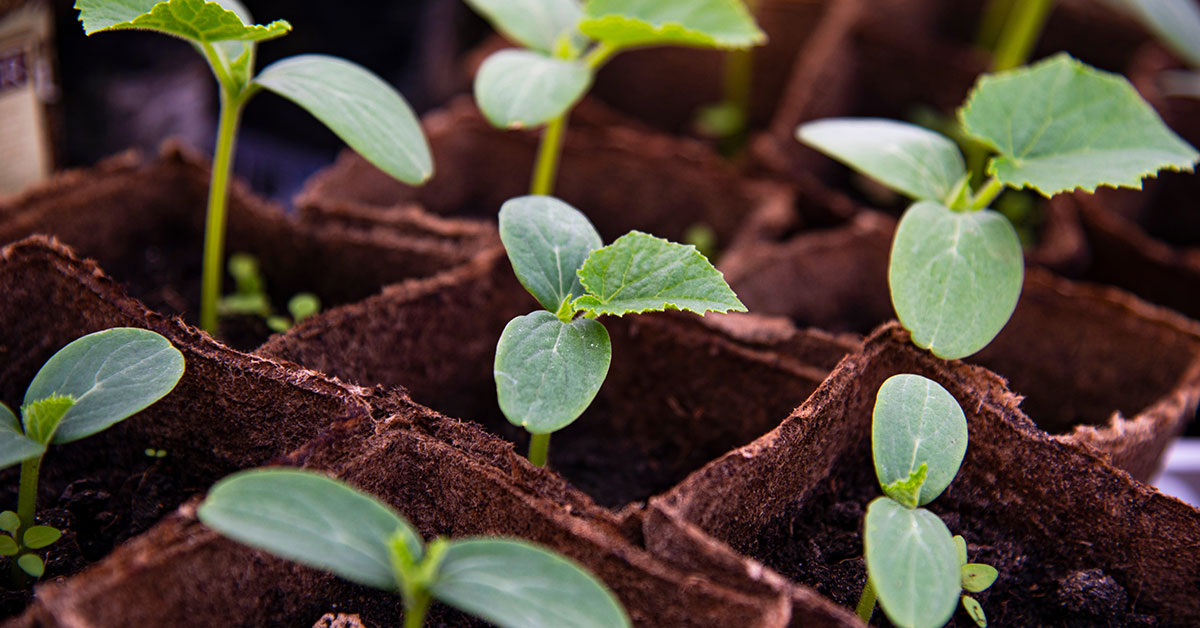
- Indoor Seed Starting (Optional): Diva cucumber plants are typically started indoors, 2-4 weeks before the last expected frost date in your area. Fill seed trays or small pots with a well-draining seed-starting mix.
- Sowing the Seeds: Plant 2-3 cucumber seeds per pot or cell, about 1/2 inch deep. Gently cover the seeds with soil and lightly press it down.
- Providing Optimal Conditions: Place the seed trays or pots in a warm location, ideally around 70-80°F (21-27°C). Ensure that the area receives bright, indirect light or use grow lights to provide adequate lighting.
- Watering: Keep the soil consistently moist but not waterlogged. Avoid overwatering, as it can lead to root rot. Use a spray bottle or a gentle watering can to avoid disturbing the seeds.
- Germination: Cucumber seeds usually germinate within 7-10 days. Once the seedlings emerge, remove any weak or overcrowded ones and retain only the strongest seedling per pot or cell.
- Harden Off: About a week before transplanting the seedlings outdoors, gradually expose them to outdoor conditions. Start by placing them in a sheltered spot for a few hours a day, gradually increasing the time and exposure to sunlight.
- Transplantation: Once all frost danger has passed, and the soil has warmed up, transplant the seedlings into their permanent location. Choose a sunny spot in your garden with well-draining soil. Space the plants about 12-24 inches apart, depending on the available space and trellising system.
- Providing Support: Diva cucumbers are vining plants and benefit from trellising or support. Install a trellis or set up a vertical support system to help the vines grow and keep the fruit off the ground.
- Watering and Care: Keep the soil consistently moist throughout the growing season. Water at the base of the plant to avoid wetting the leaves, which can promote diseases. Mulching around the plants can help retain soil moisture and suppress weeds.
- Fertilization: Cucumbers are heavy feeders. Apply a balanced organic fertilizer or a compost tea every 3-4 weeks to provide adequate nutrients.
- Pest and Disease Control: Monitor the plants regularly for pests like cucumber beetles, aphids, or powdery mildew. Use organic methods like handpicking, insecticidal soaps, or neem oil to control pests. Proper spacing, good airflow, and avoiding overhead watering can help prevent disease issues.
- Harvesting: Diva cucumbers are typically ready for harvest around 55-60 days after planting. Harvest the cucumbers when they reach the desired size, usually around 6-8 inches long. Regularly harvesting cucumbers encourages more fruit production.
By following these steps, you should be able to successfully start and grow Diva cucumber plants in your garden. Happy gardening!
Planting and growing Diva Cucumber
Planting and growing a Diva cucumber can be a rewarding experience. Here are the steps to get you started:
- Choose a suitable location: Select a spot in your garden that receives at least 6-8 hours of direct sunlight daily. Cucumbers thrive in warm temperatures, so ensure the area is well-drained and has rich, loamy soil.
- Prepare the soil: Before planting, prepare the soil by removing any weeds or rocks. Loosen the soil to a depth of about 12 inches and incorporate organic matter, such as compost or well-rotted manure, to improve fertility and drainage.
- Start seeds indoors (optional): Diva cucumbers can be started indoors about 2-4 weeks before the last expected frost date. Fill seed trays or pots with seed-starting mix and plant the seeds 1 inch deep. Keep the soil moist and provide warmth and light until the seedlings emerge.
- Direct sow or transplant: Diva cucumbers can also be directly sown into the garden once all danger of frost has passed. Plant seeds 1 inch deep and 12-18 inches apart in rows that are 3-4 feet apart. Alternatively, if you started seeds indoors, transplant the seedlings into the garden, keeping the same spacing.
- Watering: Keep the soil consistently moist but not waterlogged. Cucumbers require regular watering, especially during hot, dry periods. Water at the base of the plant to avoid wetting the foliage, as this can lead to disease.
- Provide support: Diva cucumbers are vining plants and will benefit from some form of support. You can use trellises, stakes, or cages to keep the vines off the ground, which aids in air circulation and reduces the risk of disease.
- Fertilization: Cucumbers are heavy feeders. Apply a balanced fertilizer or compost to the soil before planting. Additionally, side-dress with a nitrogen-rich fertilizer every 3-4 weeks throughout the growing season to promote healthy growth and fruit production.
- Pest and disease management: Monitor your plants regularly for signs of pests like aphids, cucumber beetles, or powdery mildew. Use organic insecticides or repellents if necessary, and remove any infected or damaged leaves promptly to prevent the spread of diseases.
- Harvesting: Diva cucumbers are typically ready for harvest around 55-60 days after planting. They are best picked when they reach 6-8 inches in length and have a dark green color. Regularly harvesting cucumbers encourages the plant to produce more fruit.
By following these steps and providing proper care, you should be able to enjoy a bountiful harvest of delicious Diva cucumbers throughout the growing season. Happy gardening!
When to harvest Diva Cucumber
The best time to harvest Diva cucumbers is when they reach their full size and have a glossy, dark green color. Typically, this occurs around 55-60 days after planting. It is important to regularly check your cucumber plants for mature fruit as they can quickly become overripe and lose their optimal taste and texture. To harvest, gently twist or cut the cucumber from the vine, being careful not to damage the plant.