

It Really Is That Common
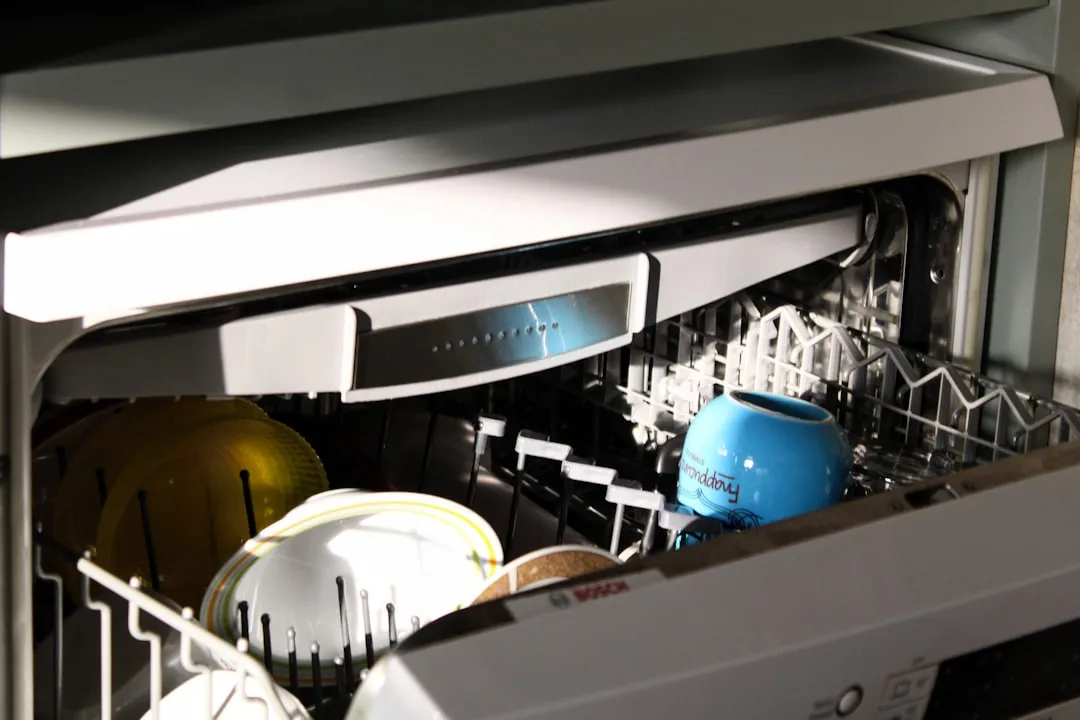
A survey of 2,000 adults found that 61 percent have argued over dishwasher usage with other members of their household. That is not a fringe minority. The disputes most commonly involve partners, who account for nearly four out of five of these conflicts, followed by children at 14 percent.
According to a survey conducted by Bosch, 75 percent of participants believe there is a right way and a wrong way to load the dishwasher, and 87 percent said they rearrange dishes after someone else loaded them incorrectly. That last number is striking. It means the vast majority of people who have an opinion on this are also willing to act on it.
The Silence Treatment Is Real

According to Bosch’s survey data, 35 percent of respondents said they have even considered giving their spouse, partner, or roommate the silent treatment after arguing about loading the dishwasher. That is a significant relational consequence for a kitchen appliance.
Arguments have serious reported consequences: 18 percent stopped speaking to the person they disagreed with, and 10 percent questioned whether they wanted to continue living together. It reads almost absurd until you consider how often small recurring frustrations drive larger tensions at home.
Who Actually Has a Method?
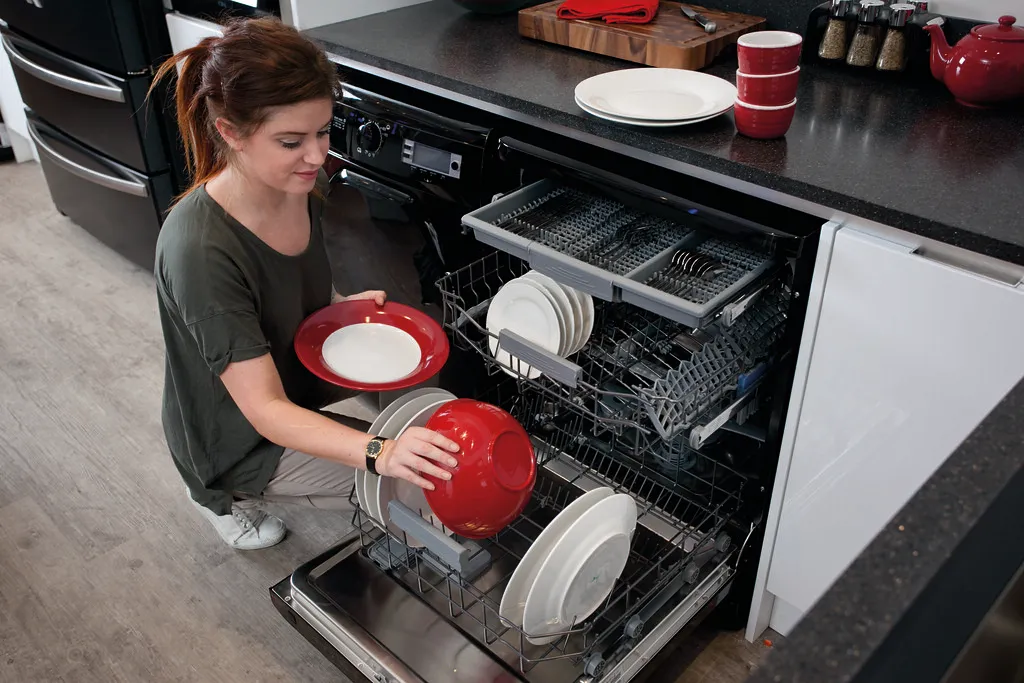
Data from OnePoll showed that 51 percent of people follow a specific method when loading their dishwasher, while 30 percent simply place items wherever they can fit. So roughly one in three people admits to just winging it entirely. The remaining group presumably exists somewhere in between.
Nearly half of respondents, about 46 percent, have restacked a dishwasher after disagreeing with someone else’s loading technique, while 92 percent feel confident in their own skills. The gap between those two numbers is telling. Nearly everyone is confident, yet nearly half still feels compelled to redo someone else’s work.
The Cutlery Orientation Standoff
How to best load cutlery into a dishwasher is a hotly debated topic among households, with the recurring question being whether cutlery should point up or down. When cutlery points upward, it is more exposed to the water jets rather than being buried at the bottom of the basket, and you can visibly see if items are nesting together, which prevents water and detergent from circulating properly.
Almost all dishwasher manuals, manufacturer websites, and company representatives agree on one thing: load knives with blades down to avoid injury. Manufacturers are not unanimous about forks, though. LG and Bosch suggest forks down for safety, but Kenmore manuals recommend forks up for best cleaning results. So even the manufacturers can’t fully agree.
Pre-Rinsing: A Habit That Wastes More Than Time

In a UK survey of dishwasher owners, 62 percent of participants said they always wash off their dishes, plates, and cups before loading them into the dishwasher. It’s a deeply ingrained habit, and for many people it feels like basic due diligence.
Soap and appliance manufacturers actually advise against pre-rinsing, saying modern machines and detergents are specifically designed to handle food scraps. Consumer research indicates that at least 50 percent of households still rinse before loading, likely due to past experiences with poorly cleaned loads. Old habits, especially ones rooted in genuine past failures, are hard to let go of.
Overfilling vs. Running Partially Empty
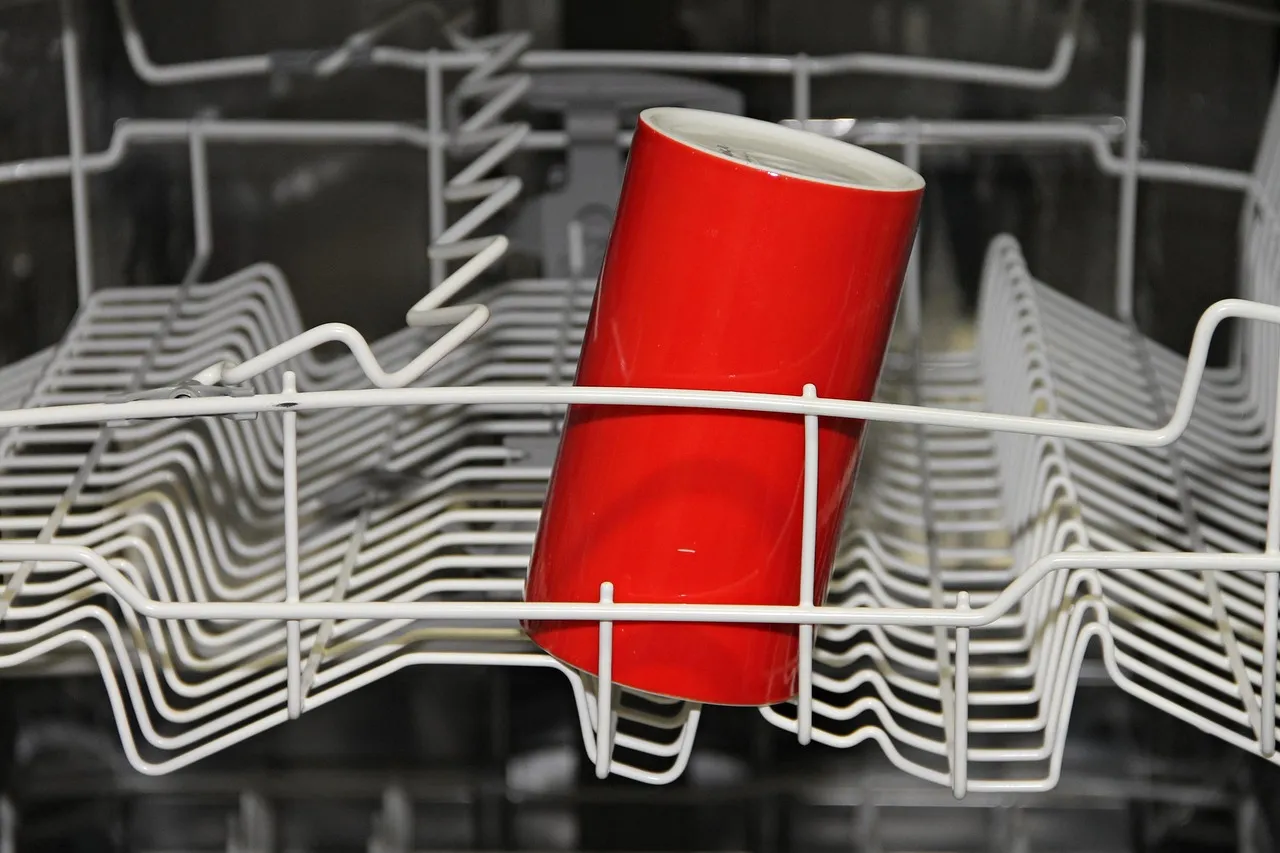
The top reported disagreements include overfilling the appliance, cutlery stacking methods, and pre-rinsing requirements. Overfilling and underfilling are actually both real problems, just in opposite directions.
Any given cycle uses the same amount of water and energy regardless of how many dishes are added, so running a full load is genuinely more efficient. However, overloading is also a problem: it can damage dishes, and the machine may not clean them properly, which can lead to extra handwashing after the cycle, consuming even more water and energy. The sweet spot is a full load, not a crammed one.
Running Cycles Without a Full Load
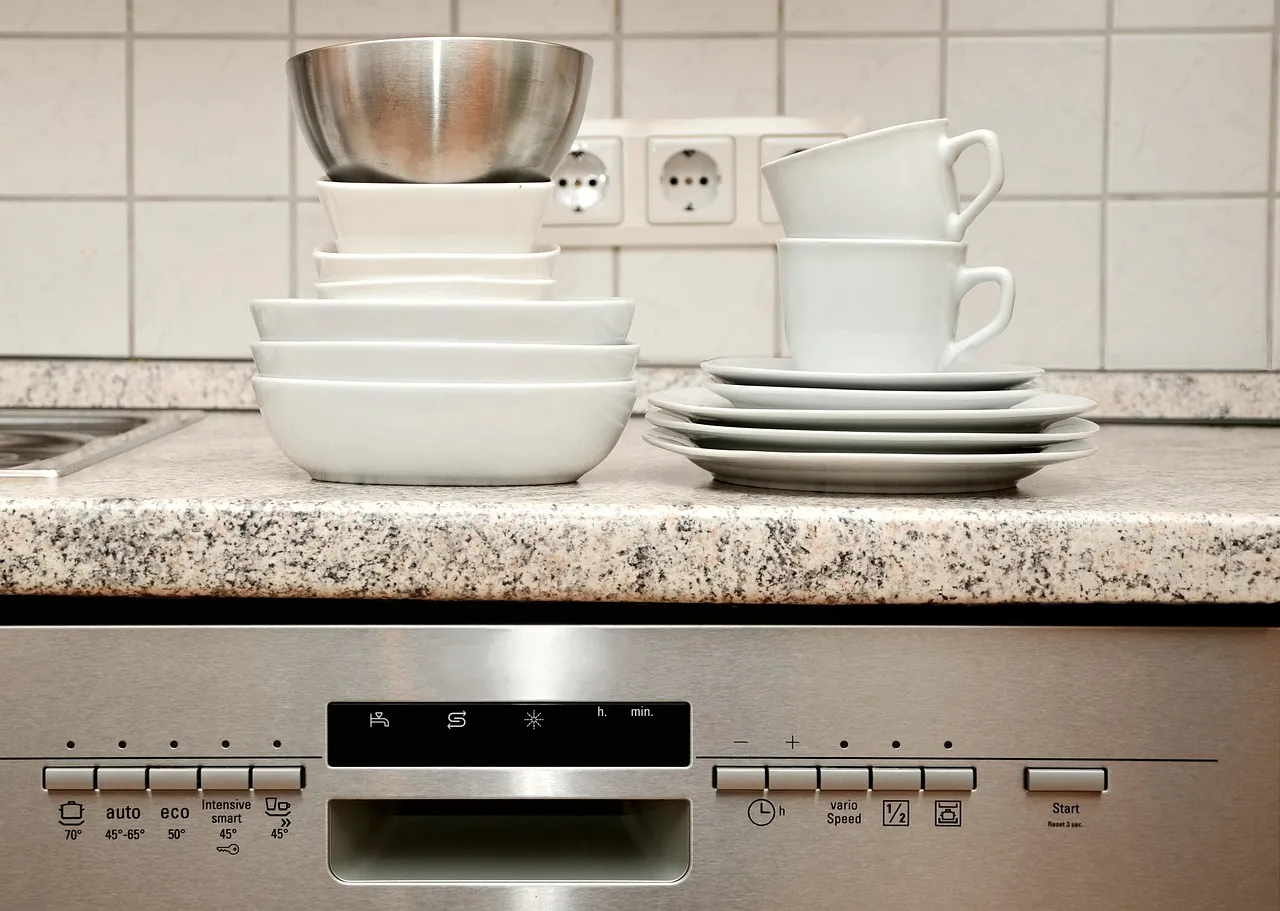
The typical household runs five dishwasher cycles per week but only fills it completely four of those times. That one partial cycle per week adds up meaningfully over the course of a year. This kind of inefficiency has caused friction in 18 percent of households, with 16 percent citing it as a pet peeve.
Twenty percent of U.S. dishwasher owners report not using their dishwasher at all, opting to handwash instead, which can consume 650 percent more water and 190 percent more energy than a dishwasher. The scale of that difference is genuinely surprising, even to people who consider themselves environmentally conscious.
The Environmental Stakes Are Higher Than Most People Realize

Dishwashers can use up to 60 percent less water and 70 percent less energy compared to washing dishes by hand, making them the more sustainable choice for everyday cleaning. In 2024, the U.S. Department of Energy moved to finalize energy and water conservation standards for residential dishwashers that are expected to save 0.43 quads of site energy and 2.13 trillion gallons of water.
Older dishwashers use 10 to 15 gallons per load, and a family of four typically generates an average of 150 loads per year, consuming about 1,800 gallons of water annually. A new ENERGY STAR certified dishwasher uses roughly 5.5 gallons per load, which could yield an annual water use reduction of nearly 1,000 gallons. The loading debate is not just domestic noise – it connects to real resource use.
Can Eco Mode Settle Anything?

Beyond how dishes are arranged, there’s also the question of which cycle to use. For most everyday loads, the eco mode is the best option, using cooler water and less water overall, and achieving similar cleaning performance while using up to 20 to 30 percent less energy, according to the U.S. Department of Energy.
The heated dry function extends cycles by around 30 minutes and accounts for about 7 percent of a dishwasher’s overall energy use. Letting dishes air-dry instead is a small, painless change that actually makes a measurable difference, yet it’s rarely part of the loading debate because it happens after the door closes.
Technology Trying to End the Argument
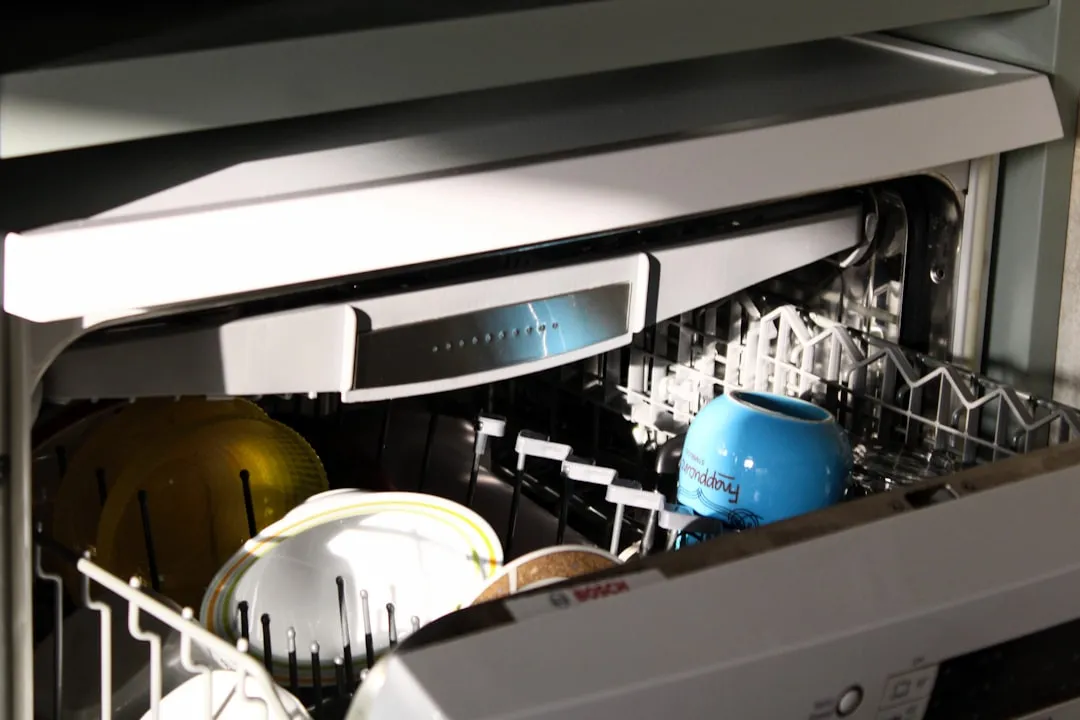
Appliance manufacturers have noticed the friction and are trying to engineer their way out of it. Bosch, recognizing that more than half of Americans engage in arguments about loading the dishwasher, has developed new spray arm technology specifically positioned as a way to help end the great debate. The PowerControl spray arm delivers a more advanced clean regardless of where items are placed in the lower rack, and the technology allows users to program dedicated wash intensity in each target area.
Many newer dishwashers also feature computer-controlled wash cycles that adjust duration based on the quantity of dirty dishes or the extent to which rinse water is soiled, as determined by chemical or optical sensors, which can save water and energy even on partial or lightly soiled loads. Smart sensors won’t stop the argument at the kitchen counter, but they do reduce the practical consequences of loading differences.
The Takeaway

What makes the dishwasher loading debate so persistent is that it exists at the intersection of habit, efficiency, and domestic territory. The survey numbers are almost comedic until you realize they describe something most households genuinely live with daily.
The research does offer some grounded guidance: run full loads, skip the pre-rinse, place knives blade-down, and use the eco cycle when you can. These aren’t opinions – they’re measurable recommendations backed by appliance research and energy data.
The rest of it, the plate angle, the glass placement, the exact corner where the mugs go, that may never be resolved. Some debates aren’t really about the subject at hand. They’re about the comfort of doing things your way, in your own kitchen, on your own terms. And that’s fine too.
AI Disclaimer: This article was created with the assistance of AI tools and reviewed by a human editor.