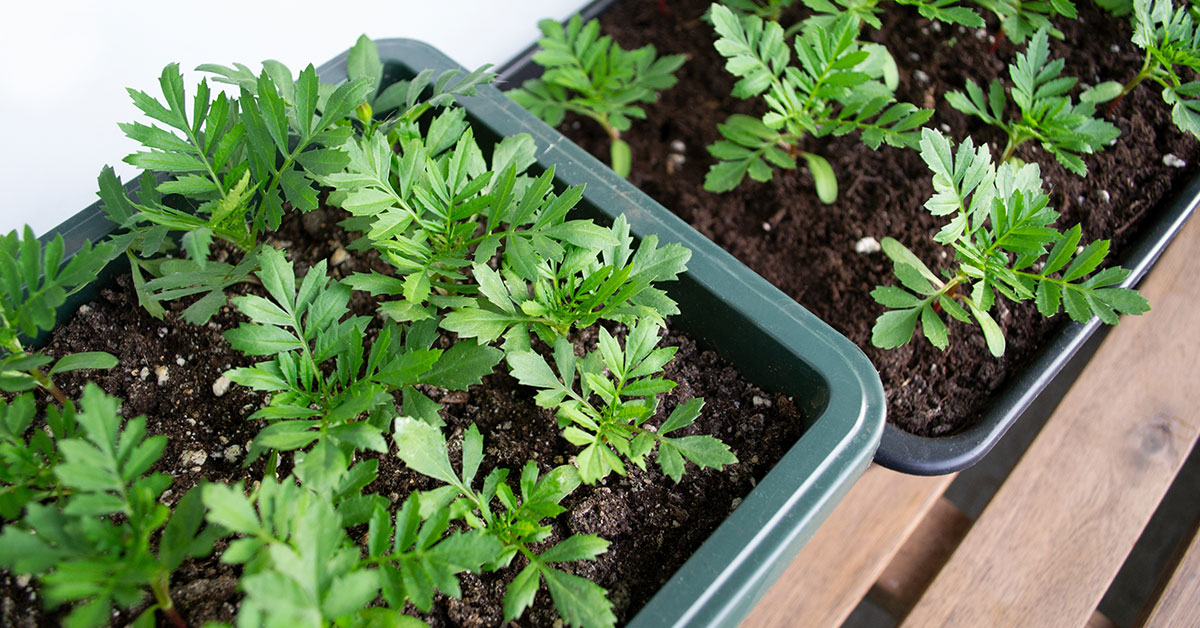

Welcome to the world of vibrant and captivating Disco Marigolds! If you’re looking to add a burst of color and cheer to your garden or indoor space, these stunning flowers are an excellent choice. Disco Marigolds, also known as Tagetes patula, are a popular variety of marigolds that are loved for their large, double blooms and vibrant hues.
Whether you’re a seasoned gardener or just starting out, this article will guide you through the process of growing and caring for Disco Marigolds, ensuring that you can enjoy their dazzling beauty all season long. So, let’s dive in and discover the secrets to successfully cultivating these delightful flowers!
What is a Disco Marigold?
A Disco Marigold, also known as Tagetes patula ‘Disco’, is a popular variety of marigold that is commonly grown as an annual flower. It is named “Disco” due to its vibrant and eye-catching colors, reminiscent of the disco era. The Disco Marigold is a compact plant, typically reaching a height of 6-12 inches (15-30 cm) and spreading about 6-8 inches (15-20 cm) wide. It features dense foliage with fern-like leaves that are dark green in color.
The flowers of the Disco Marigold are the highlight of this plant. The blooms are large and showy, measuring around 2-3 inches (5-8 cm) in diameter. They come in a variety of bright and bold colors, including shades of yellow, orange, red, and bi-color combinations. The petals are often ruffled or fringed, adding an extra layer of visual interest.
The flowers are also known for their distinct marigold fragrance. Disco Marigolds are known for their long blooming period, usually from late spring to early fall. They are relatively easy to grow and are often used in borders, containers, or as bedding plants. These marigolds are also attractive to pollinators like bees and butterflies, making them a great addition to any garden or landscape. When it comes to care, Disco Marigolds prefer full sun exposure, at least 6 hours of direct sunlight per day.
They can tolerate a wide range of soil conditions but prefer well-draining soil. Regular watering is necessary, keeping the soil moist but not waterlogged. Deadheading spent flowers can encourage continuous blooming. Overall, Disco Marigolds are a fantastic choice for adding vibrant colors and a touch of nostalgia to your garden or indoor space.
Where is the Disco Marigold native?
Disco Marigold, also known as Tagetes patula ‘Disco’, is not a native plant in any specific region. It is a cultivated variety of marigold that has been bred for its vibrant colors and compact growth habit. The marigold species, Tagetes patula, is native to Mexico and Central America.
As for its invasiveness, Disco Marigold is not considered invasive. Invasive plants are those that aggressively spread and outcompete native vegetation, causing harm to the ecosystem. However, Disco Marigold is a non-invasive annual plant that typically does not self-seed excessively or spread beyond its intended growing area. It is commonly grown in gardens and containers without posing a threat to natural habitats.
How to grow Disco Marigolds indoors
Disco Marigold (Tagetes patula ‘Disco’) is a beautiful and vibrant flowering plant that can be grown indoors. Here is a care guide to help you successfully grow Disco Marigold indoors:
- Lighting: Disco Marigold requires bright, indirect sunlight for at least 6-8 hours a day. Place your plant near a south or west-facing window where it can receive ample sunlight. If natural light is insufficient, you can supplement it with fluorescent grow lights placed 6-12 inches above the plant.
- Temperature: Disco Marigold thrives in average room temperatures between 65-75°F (18-24°C). Avoid placing it near drafts or extreme temperature fluctuations, as it can negatively impact the plant’s growth.
- Watering: Water your Disco Marigold when the top inch of soil feels dry. Ensure that the pot has drainage holes to prevent waterlogging. Water the plant thoroughly until water drains out of the bottom of the pot, and discard any excess water. Avoid overwatering, as it can lead to root rot. During winter, reduce watering frequency slightly as the plant’s growth slows down.
- Humidity: Disco Marigold prefers moderate humidity levels. If the air in your home is dry, you can increase humidity by placing a tray filled with water near the plant or using a humidifier. Misting the foliage occasionally can also help maintain humidity.
- Soil: Use a well-draining potting mix that is rich in organic matter. A mix of peat moss, perlite, and compost works well for Disco Marigold. Avoid using heavy garden soil, as it can lead to poor drainage and root rot.
- Fertilizer: Feed your Disco Marigold with a balanced water-soluble fertilizer once a month during the growing season (spring and summer). Follow the instructions on the fertilizer package for proper dilution and application. During the dormant period (fall and winter), reduce or stop fertilizing.
- Pruning: Pinch back the tips of your Disco Marigold regularly to encourage bushier growth and more blooms. This will also help prevent the plant from becoming leggy. Remove any dead or yellowing leaves to maintain plant health and appearance.
- Pests and diseases: Disco Marigold is generally resistant to pests and diseases. However, keep an eye out for common indoor plant pests like aphids, mealybugs, or spider mites. If you notice any infestation, treat it promptly with insecticidal soap or neem oil following the product instructions.
- Propagation: Disco Marigold can be propagated through seeds. Collect the seeds from mature flowers and sow them in a seed-starting mix. Keep the soil moist and provide bright, indirect light. The seeds will germinate within a week or two.
By following these care instructions, you can enjoy the vibrant blooms of Disco Marigold indoors throughout the year. Happy gardening!
How to grow Disco Marigolds outdoors
Disco Marigolds (Tagetes patula) are vibrant and eye-catching annual flowers that can add a burst of color to your outdoor garden. Here’s a care guide to help you successfully grow Disco Marigolds:
- Location: Choose a sunny spot in your garden that receives at least 6-8 hours of direct sunlight per day. Marigolds thrive in full sun and require warm temperatures to grow well.
- Soil Preparation: Marigolds prefer well-draining soil with a pH level between 6.0 and 7.5. Before planting, amend the soil with organic matter such as compost or well-rotted manure to improve its fertility and drainage.
- Planting: Start by preparing the soil by removing any weeds or debris. Dig a hole that is slightly larger than the root ball of your Disco Marigold plant. Space the plants about 6-12 inches apart, depending on the variety. Gently place the plant in the hole, ensuring that the top of the root ball is level with the soil surface. Backfill the hole and lightly firm the soil around the plant.
- Watering: After planting, water the Disco Marigolds thoroughly to settle the soil. Water regularly, keeping the soil evenly moist but not waterlogged. Avoid overhead watering, as wet foliage can lead to fungal diseases. Instead, water at the base of the plants to keep the leaves dry.
- Fertilizing: Marigolds are not heavy feeders, but you can apply a balanced, slow-release fertilizer at the time of planting to provide nutrients throughout the growing season. Alternatively, you can use a water-soluble fertilizer every 2-3 weeks during the active growth period. Follow the instructions on the fertilizer packaging for proper application rates.
- Mulching: Apply a layer of organic mulch around the base of the plants to help conserve moisture, suppress weed growth, and regulate soil temperature. Mulching also adds nutrients to the soil as it breaks down over time.
- Deadheading: Regularly remove faded or spent flowers by pinching or cutting them off. This process, known as deadheading, encourages the plant to produce more blooms and prolongs the flowering period.
- Pests and Diseases: Marigolds are generally resistant to many pests and diseases. However, they can occasionally be affected by aphids, spider mites, or powdery mildew. Monitor your plants regularly and take appropriate action if you notice any signs of infestation or disease. In most cases, a strong spray of water or insecticidal soap can help control pests, while proper spacing and good air circulation can prevent fungal diseases.
- Winter Care: Disco Marigolds are annual plants and will not survive frost or freezing temperatures. Once the flowering season is over, you can either remove the plants and discard them or allow them to self-seed for the following year.
By following these care guidelines, you can enjoy a beautiful display of Disco Marigolds in your outdoor garden. Happy gardening!
How to grow Disco Marigolds in pots
Disco Marigold (Tagetes patula ‘Disco’) is a beautiful and vibrant flowering plant that can be easily grown in pots. Here is a care guide to help you successfully grow Disco Marigold:
- Select the right pot: Choose a pot that is at least 6-8 inches deep with drainage holes at the bottom. This will ensure proper drainage and prevent waterlogging.
- Soil preparation: Use a well-draining potting mix that is rich in organic matter. You can also mix in some perlite or sand to improve drainage. Avoid using heavy garden soil as it can lead to root rot.
- Planting: Sow the Disco Marigold seeds directly into the pot, about 1/4 inch deep. Space the seeds about 6-8 inches apart to allow the plants to grow and spread. Gently cover the seeds with soil and water lightly.
- Sunlight requirements: Disco Marigolds thrive in full sun, so place the pot in a location that receives at least 6-8 hours of direct sunlight per day. If you don’t have a sunny spot indoors, consider using artificial grow lights to provide adequate light.
- Watering: Keep the soil consistently moist but not waterlogged. Water the plants when the top inch of soil feels dry to the touch. Avoid overwatering as it can lead to root rot. Water at the base of the plant to prevent wetting the foliage, which can cause fungal diseases.
- Fertilization: Feed your Disco Marigolds with a balanced liquid fertilizer every 2-3 weeks during the growing season. Follow the instructions on the fertilizer package for the correct dosage. This will help promote healthy growth and abundant flowering.
- Pinching and deadheading: Pinch off the tips of the young plants when they reach about 4-6 inches in height. This will encourage bushier growth and more flower production. Additionally, regularly remove faded or dead flowers to promote continuous blooming.
- Pests and diseases: Disco Marigolds are generally resistant to pests and diseases. However, keep an eye out for common garden pests like aphids or spider mites. If you notice any infestation, treat the plants with an appropriate organic insecticide or insecticidal soap.
- Support: As the plants grow taller, they may require support to prevent them from falling over. You can use small stakes or plant supports to keep them upright.
- Winter care: Disco Marigolds are annual plants and are not frost-tolerant. If you live in a region with cold winters, consider bringing the pots indoors or treating them as disposable plants. Alternatively, you can collect the seeds for future planting.
By following these care guidelines, you can enjoy the vibrant and colorful blooms of Disco Marigolds in your pots throughout the growing season.
When does Disco Marigold bloom?
Disco Marigold (Tagetes patula ‘Disco’) is a popular variety of marigold known for its vibrant, large, and double flowers. Typically, Disco Marigold blooms from late spring to early fall, depending on the specific growing conditions and climate. In most regions, you can expect to see the first blooms appearing around late spring or early summer. However, it’s important to note that the exact blooming period can vary slightly depending on factors such as temperature, sunlight exposure, and the specific care provided to the plant.
Propagation guide for Disco Marigolds
To propagate Disco Marigold (Tagetes patula ‘Disco’), you have a few options:
- Seeds: The most common and easiest way to propagate Disco Marigold is through seeds. Collect the seeds from mature flowers or purchase them from a reputable seed supplier. Sow the seeds directly into well-draining soil or seed-starting trays filled with a seed-starting mix. Keep the soil consistently moist and provide bright indirect light. Germination usually takes around 7-14 days. Once the seedlings have developed a few sets of true leaves, you can transplant them into individual pots or your desired garden location.
- Stem Cuttings: Another way to propagate Disco Marigold is through stem cuttings. Take a 3-4 inch cutting from a healthy, mature plant just below a leaf node. Remove the lower leaves, leaving only a few at the top. Dip the cut end in a rooting hormone powder to encourage root development. Plant the cutting in a well-draining potting mix, keeping it moist but not overly wet. Place the cutting in a warm, bright location, avoiding direct sunlight. After a few weeks, roots should start to develop, and you can transplant the cutting into a larger pot or garden bed.
- Division: If you have an established Disco Marigold plant, you can propagate it through division. Carefully dig up the plant and separate the root clumps into smaller sections, ensuring each section has some roots and foliage. Replant the divisions in well-prepared soil, keeping them adequately watered until they establish themselves.
Remember to provide proper care, including regular watering, well-draining soil, and adequate sunlight, to ensure successful propagation and healthy growth of Disco Marigold plants.
Common pests and diseases
Disco Marigold, also known as Tagetes patula, is a popular flowering plant that is generally resistant to many pests and diseases. However, there are a few common issues that can affect Disco Marigolds:
- Aphids: These small, soft-bodied insects feed on the sap of the plant, causing distorted growth and yellowing leaves. You can control aphids by spraying the plant with a strong jet of water or using insecticidal soap.
- Spider mites: These tiny pests can cause yellowing leaves, stippling, and webbing on the plant. Regularly misting the leaves and keeping the plant well-hydrated can help prevent spider mite infestations. If an infestation occurs, you can use insecticidal soap or neem oil to control them.
- Powdery mildew: This fungal disease appears as a white, powdery coating on the leaves, stems, and flowers. It thrives in humid conditions and can cause stunted growth and leaf drop. To prevent powdery mildew, ensure good air circulation around the plant and avoid overhead watering. Fungicidal sprays can be used to control severe infections.
- Root rot: Overwatering or poorly drained soil can lead to root rot, which causes the roots to become mushy and discolored. To prevent root rot, allow the soil to dry slightly between waterings and ensure proper drainage. If root rot occurs, it is best to remove the affected plant and replace it with a healthy one.
Overall, Disco Marigolds are relatively hardy plants and are less susceptible to pests and diseases compared to other plants. However, it is always important to monitor your plants regularly and take appropriate measures if any issues arise.
Facts about Disco Marigold
The Disco Marigold, also known as Tagetes patula ‘Disco’, is a vibrant and eye-catching variety of marigold. Here are some interesting facts about Disco Marigold:
- Appearance: Disco Marigold plants are compact and bushy, reaching a height of about 8-12 inches (20-30 cm) and spreading up to 10-12 inches (25-30 cm) wide. They feature dense foliage and produce an abundance of large, double flowers.
- Flower colors: Disco Marigold flowers come in a wide range of vibrant colors, including shades of yellow, orange, gold, and even mahogany. The petals are often fringed or ruffled, adding to their visual appeal.
- Long blooming season: These marigolds are known for their extended blooming period, typically lasting from early summer until the first frost in autumn. With proper care, they can provide continuous color and beauty to your garden for several months.
- Attracts pollinators: The bright colors and pleasant fragrance of Disco Marigold flowers make them attractive to pollinators like bees and butterflies. Planting them in your garden can help encourage these beneficial insects to visit and pollinate other plants as well.
- Easy to grow: Disco Marigolds are relatively easy to grow, making them suitable for both beginner and experienced gardeners. They thrive in full sun but can tolerate partial shade. These plants prefer well-draining soil and regular watering, but they are also quite tolerant of drought conditions.
- Versatile use: Disco Marigolds are versatile plants that can be used in various garden settings. They are commonly used in borders, edging, containers, and mass plantings. Their compact size and vibrant colors make them an excellent choice for adding pops of color to your garden beds or patio.
- Companion planting benefits: Marigolds, including Disco Marigolds, are known for their natural pest-repellent properties. Planting them alongside vegetables or other susceptible plants can help deter pests like aphids, nematodes, and whiteflies.
- Cut flower potential: The long-lasting blooms of Disco Marigolds make them suitable for cut flower arrangements. Placing a few freshly cut stems in a vase can add a cheerful touch to your indoor spaces.
Remember to deadhead spent flowers regularly to promote continuous blooming and remove any damaged or diseased foliage to keep your Disco Marigold plants healthy and thriving.