
McDonald’s has transformed ordinary fountain drinks into destination beverages that prompt dedicated trips. The shift has caught the attention of major beverage companies and grocery operators alike. This development signals a broader move of the dirty soda concept from drive-thru novelty to mainstream retail shelves.
Why the Trend Matters Now
Consumer interest in customized sodas has accelerated rapidly in recent months. Searches for the term on review platforms jumped more than 600 percent year over year, prompting PepsiCo to launch a ready-to-drink version of Dirty Mountain Dew. Grocery retailers now face a practical question about how to capture incremental sales from an existing category rather than waiting for entirely new products. The timing aligns with broader patterns in which familiar items gain fresh appeal through simple additions such as cream or flavored syrup.
McDonald’s Role in Driving Demand
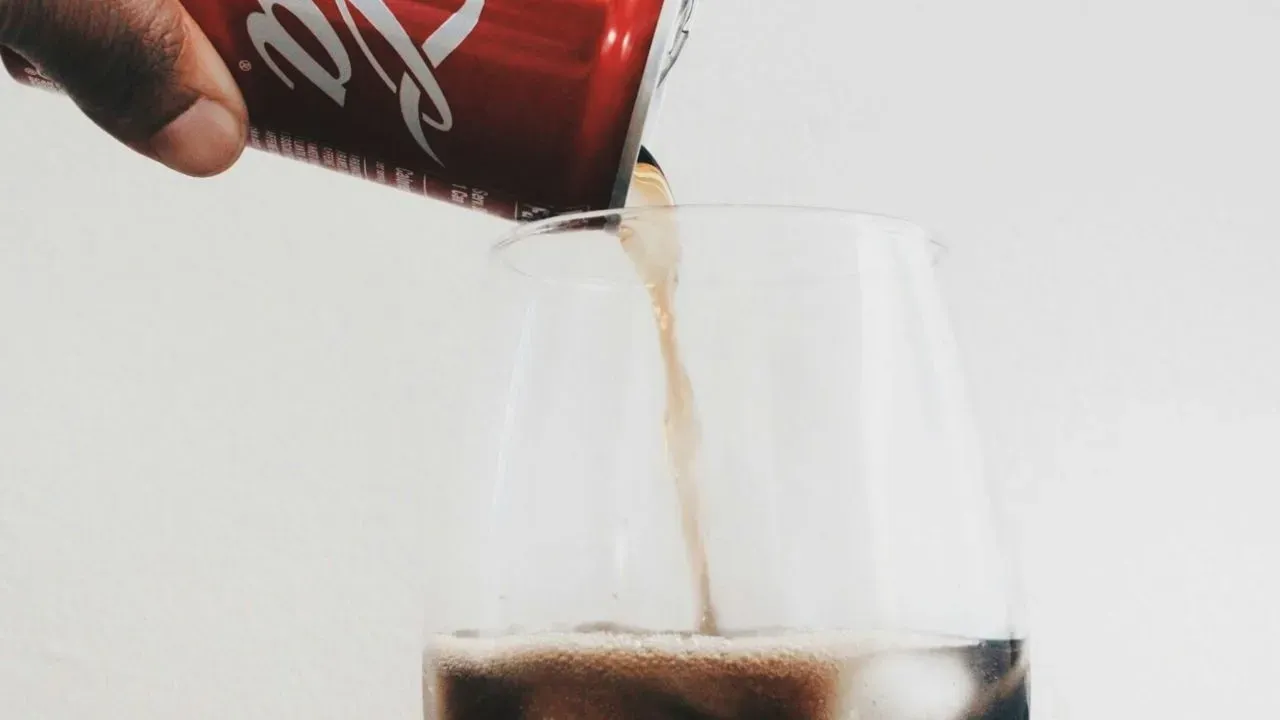
The chain’s lineup includes several named combinations that build on classic fountain brands. Examples range from Dirty Dr Pepper to Vanilla Swirl with Coca-Cola and Orange Dream variations with Hi-C or Fanta. Prices at one location sit between $3.19 and $3.29, turning everyday drinks into something consumers treat as a deliberate purchase. A single request from a child for one of these beverages can illustrate how the format creates new occasions without requiring a full meal.
Brand Responses in the Grocery Channel
PepsiCo moved first with a national ready-to-drink Dirty Mountain Dew product. Coffee mate followed by introducing creamers formulated specifically for mixing with soda, including a Coconut Lime option. Coca-Cola has advanced its Freestyle equipment to gather pour data that can translate trends into new offerings within roughly 90 days. These moves show established players adapting existing assets rather than developing wholly separate lines.
Practical Steps for Retailers
Supermarkets already stock the core ingredients needed for at-home versions. The challenge lies in connecting products that typically sit in separate aisles. A compact display could group soda, syrups, and mixers while directing shoppers to creamers and citrus elsewhere in the store. Retailers might consider these approaches to build basket size: – Create a small “Make Your Own Dirty Soda” endcap with recipe suggestions via QR code.
– Offer weekend sampling of three simple combinations to demonstrate home recreation.
– Deploy digital coupons that bundle soda with flavored syrup or creamer.
– Cross-promote fresh limes from produce with the other components. Such tactics turn a single soda purchase into a multi-category occasion without requiring dozens of new permanent SKUs.
What Matters Now
The products consumers already buy can generate new demand when retailers connect them around a clear use case. McDonald’s success shows that naming and simple customization can refresh familiar items. Grocery operators who treat dirty soda as an occasion rather than an isolated product stand to benefit across several departments.
The pattern echoes earlier shifts such as hot honey moving from niche condiment to widespread menu and packaged applications. In both cases, innovation stems from new uses of existing inventory rather than constant introduction of fresh stock-keeping units. Retailers that recognize this dynamic can respond with targeted merchandising instead of broad assortment expansion.
AI Disclaimer: This article was created with the assistance of AI tools and reviewed by a human editor.