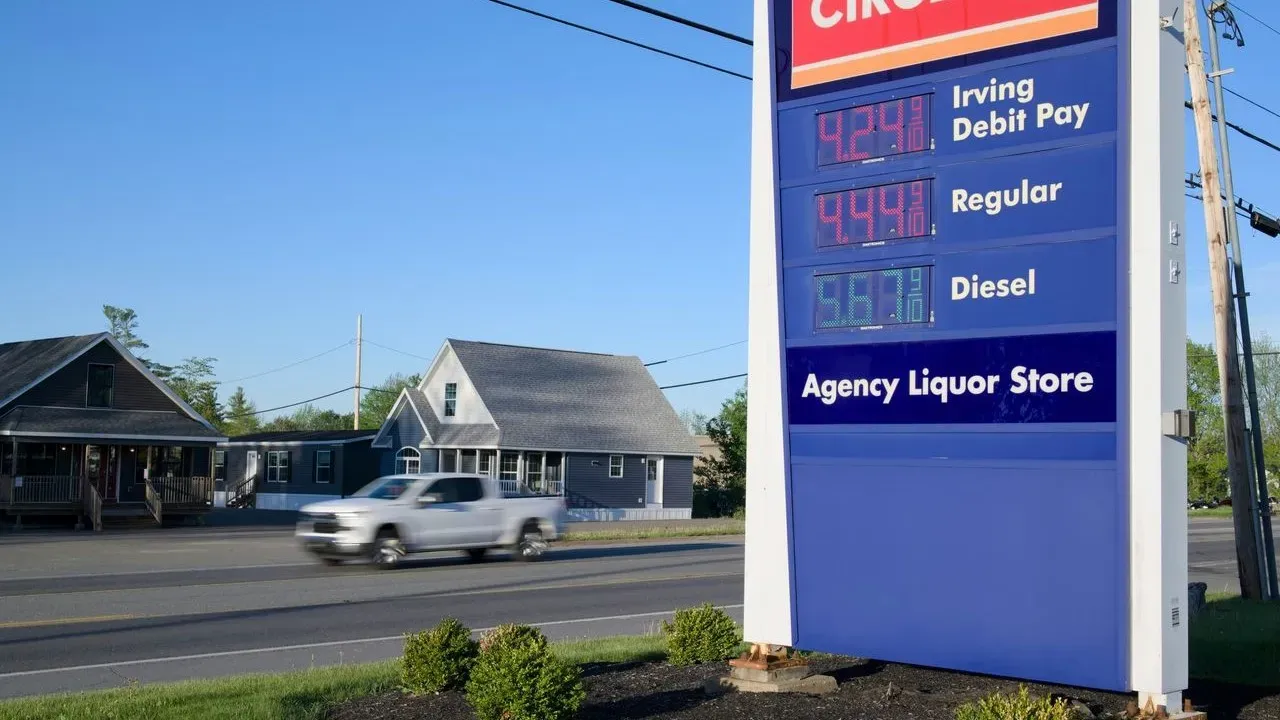

Diesel fuel remains essential to nearly every stage of modern food production. From planting and harvesting to long-haul trucking, the cost of that fuel directly influences what shoppers pay at checkout. Recent price movements have already prompted noticeable increases at small retailers and larger distributors alike.
The Direct Link Between Fuel and Food
Most commercial crops rely on diesel-powered equipment for field work and transport. Once harvested, the same fuel moves produce across state lines to warehouses and stores. When diesel prices rise, those added expenses travel quickly through the supply chain and appear on store shelves within weeks. Small businesses that sell seeds, tools, and produce have reported steady price adjustments on multiple items. Fixed-income households feel the pressure first, as even modest increases in staples reduce purchasing power. The pattern repeats whenever fuel markets shift, regardless of broader economic conditions.
Why Home Gardening Gains Attention
Growing food at home offers one practical way to limit exposure to those rising costs. Gardeners control inputs, avoid certain chemical residues, and harvest crops at peak nutrition. In uncertain periods, the same plots also function as a stored supply of calories that does not depend on external trucking schedules. Interest in such self-reliance tends to spike during disruptions and then fades when store shelves stabilize. Books focused on survival gardening saw sharp sales increases in 2020 before returning to steadier levels. The underlying message remains consistent: steady production at home provides both daily meals and a buffer against future volatility.
Practical Steps for the Current Season
Gardeners in cooler regions can still plant cool-season crops before frost arrives. Those in warmer climates have time to establish fall beds and add fruit trees while temperatures moderate. Stocking extra seeds, reliable hand tools, and reference books now prepares households for whatever the next months bring. Compost piles built this fall will supply nutrients for spring plantings without added purchases. Prioritizing calorie-dense crops such as potatoes, winter squash, dry beans, and sweet potatoes ensures the garden delivers filling harvests first. Lower-calorie but nutrient-rich vegetables can follow once the core supply is secured.
Long-Term Value Beyond Price Swings
Home gardens deliver benefits that extend past any single fuel-price cycle. Families gain fresher produce, reduced grocery trips, and skills that remain useful whether markets stay steady or shift again. The practice also builds soil health and local biodiversity over successive seasons. Even modest plots contribute meaningful savings and peace of mind. As diesel costs continue to influence food pricing, the ability to supplement store purchases with homegrown calories becomes a straightforward form of household resilience.
AI Disclaimer: This article was created with the assistance of AI tools and reviewed by a human editor.