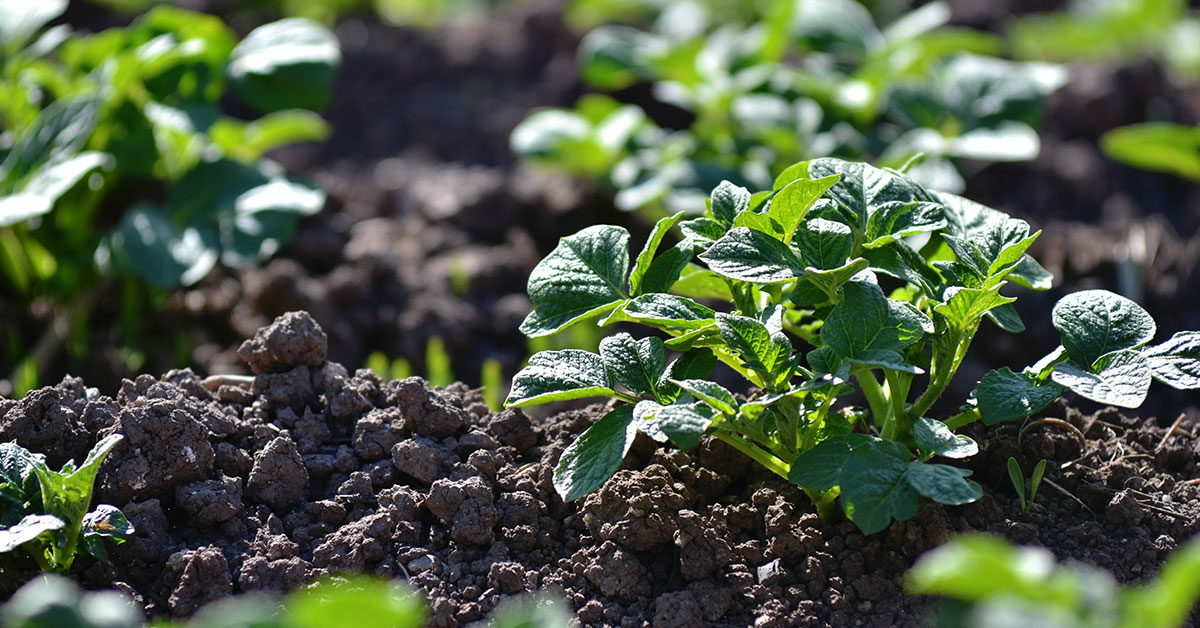

The Desiree Potato has become a favorite among gardeners and food enthusiasts alike. In this article, we will delve into the world of growing Desiree Potatoes, exploring everything from planting and care to harvesting and storage.
Whether you’re a seasoned gardener or a beginner looking to try your hand at growing potatoes, this guide will provide you with all the information you need to successfully cultivate your very own delicious Desiree Potatoes.
What is a Desiree Potato?
Desiree Potatoes are a type of red-skinned potato that was first bred in the Netherlands in the 1960s. They are named after Desiree, the wife of a Dutch potato breeder, who played a significant role in the development and promotion of this variety. Since then, Desiree Potatoes have gained worldwide recognition for their unique qualities.
One of the distinguishing features of Desiree Potatoes is their vibrant red skin. This characteristic sets them apart from other potato varieties, making them easily identifiable. The flesh of Desiree Potatoes is yellow, and it has a firm and creamy texture when cooked.
In terms of size, Desiree Potatoes are medium-sized, which makes them versatile for various culinary applications. They have an oval shape and a slightly flattened appearance. The skin of Desiree Potatoes is thin but sturdy, making them suitable for both cooking and serving with the skin intact.
Desiree Potatoes are known for their excellent taste and texture, making them a favorite choice among chefs and home cooks alike. Their creamy flesh makes them ideal for mashing, roasting, boiling, and baking. They hold their shape well when cooked, which is perfect for dishes like potato salads or casseroles.
The firm texture of Desiree Potatoes also makes them suitable for frying, allowing you to create crispy and delicious French fries or potato wedges. Their natural sweetness adds a delightful flavor to any recipe, making them a versatile ingredient in both savory and sweet dishes.
Apart from their culinary advantages, Desiree Potatoes also offer several nutritional benefits. They are a good source of essential vitamins and minerals, including vitamin C, potassium, and dietary fiber. Vitamin C is known for its immune-boosting properties, while potassium helps maintain proper heart and muscle function.
Furthermore, Desiree Potatoes are low in fat and calories, making them a healthy choice for those watching their weight. They also provide a steady release of energy due to their complex carbohydrate content, making them an excellent choice for sustained energy throughout the day.
What does a Desiree Potato taste like?
When it comes to potatoes, there are countless varieties to choose from, each with its own unique flavor profile. One such variety is the Desiree Potato. If you’ve never tasted a Desiree Potato before, you might be wondering what it tastes like. Well, you’re in luck! In this blog section, we will explore the taste of Desiree Potatoes and help you understand why they are a popular choice among potato enthusiasts.
Desiree Potatoes are known for their smooth and creamy texture. They have a slightly waxy exterior and firm, yet tender, flesh. In terms of taste, Desiree Potatoes are often described as having a rich and earthy flavor. They have a distinct nuttiness to them, which adds depth to any dish they are used in.
One of the reasons why Desiree Potatoes are so highly regarded is because of their versatility. Their flavor pairs well with a variety of ingredients and cooking methods. Whether you choose to roast them, boil them, or mash them, Desiree Potatoes will always deliver a delicious taste.
In addition to their flavor, Desiree Potatoes also have a beautiful reddish-pink skin that adds visual appeal to any dish. This vibrant color makes them a popular choice for presentation purposes, especially when it comes to salads or side dishes.
Desiree Potatoes are also lauded for their ability to hold their shape well during cooking. This makes them an excellent option for recipes that require potatoes to maintain their form, such as potato salads or gratins.
How to start from seed
Growing your own potatoes can be a rewarding and cost-effective way to enjoy fresh produce right from your garden. If you’re interested in learning how to start Desiree potatoes from seed, this will guide you through the process step by step.
- Choosing the Right Seed Potatoes:
To start growing Desiree potatoes, you’ll need to acquire seed potatoes. These are specially grown potatoes that are free from diseases and have the potential to produce healthy plants. Look for certified seed potatoes from a reputable supplier or garden center. Make sure the potatoes are firm and have small “eyes” or sprouts on them. - Preparing the Seed Potatoes:
Before planting, it’s important to prepare the seed potatoes properly. Start by cutting larger seed potatoes into smaller pieces, ensuring that each piece has at least one or two sprouts or “eyes”. Allow the cut surfaces to dry for a day or two, as this will help prevent rotting. - Soil Preparation:
Desiree potatoes thrive in well-draining, fertile soil. Choose a sunny spot in your garden with loose soil that is rich in organic matter. Remove any weeds or debris from the area and loosen the soil to a depth of about 8-10 inches. Incorporate compost or well-rotted manure to improve soil fertility. - Planting:
Planting Desiree potatoes is relatively straightforward. Dig trenches or individual holes spaced about 12-15 inches apart and 4-6 inches deep. Place the seed potatoes in the holes or trenches with the sprouts facing upwards. Cover them with soil, leaving about 2 inches of soil above the potatoes. - Care and Maintenance:
Once planted, Desiree potatoes require regular care to ensure healthy growth. Keep the soil moist but not waterlogged, as excessive moisture can lead to rotting. As the plants grow, gradually mound soil around the stems to encourage tuber development and prevent exposure to sunlight, which can turn the potatoes green. Monitor for pests and diseases, and take appropriate measures to control them.
How to grow this plant in your garden
The first step in growing Desiree potatoes is selecting the right seed potatoes. Look for certified seed potatoes from a reputable supplier or garden center. Desiree potatoes are typically categorized as mid to late-season potatoes, meaning they require a longer growing period. Ensure that you choose seed potatoes that are disease-free and have sprouts or “eyes” on them. The number of eyes on a seed potato indicates the number of potential plants it can produce.
Preparing the Soil: Desiree potatoes thrive in well-draining, loamy soil that is rich in organic matter. Before planting, prepare the soil by loosening it with a garden fork or tiller. Remove any rocks, weeds, or debris that could hinder the growth of your potatoes. Consider adding compost or well-rotted manure to improve soil fertility and structure. Desiree potatoes prefer slightly acidic soil with a pH level between 5.0 and 6.0.
Planting Desiree Potatoes: Planting Desiree potatoes requires careful attention to spacing and depth. Begin by digging a trench or furrow, approximately 6 inches deep and 12-18 inches wide. Place the seed potatoes into the trench, ensuring that the sprouts or eyes are facing upward. Space the seed potatoes about 12-15 inches apart, allowing enough room for the plants to grow and develop tubers.
Caring for Desiree Potatoes: Desiree potatoes require regular care and attention throughout their growing season. Water the plants consistently, ensuring that the soil remains moist but not waterlogged. Monitor for pests and diseases, such as potato beetles or late blight, and take appropriate measures to protect your plants. As the plants grow, gently hill up the soil around them to encourage the development of more tubers and protect them from sunlight, which can cause greening.
Harvesting Desiree Potatoes: The time to harvest Desiree potatoes is typically around 100-120 days after planting, depending on the weather conditions and growing region. Look for signs of maturity, such as yellowing foliage and dying back of the plants. Carefully dig up the potatoes using a garden fork or shovel, being cautious not to damage the tubers. Allow the harvested potatoes to cure for a few days in a cool, dark place before storing them in a cool, dry location.