

As the air turns crisp and the leaves begin to change, designing a fall-themed garden becomes an exciting opportunity to showcase the rich tapestry of autumnal colors and diverse textures. October is the perfect time to transform your outdoor space into a vibrant sanctuary that celebrates the beauty of the season. Whether you’re looking to add bold hues, intricate foliage, or cozy textures, a thoughtfully designed fall garden can provide a stunning backdrop for your autumn gatherings and a serene retreat as the year winds down.
I understand how challenging it can be to capture the essence of fall in your garden, especially when transitioning from the lush greenery of summer to the more subdued tones of autumn. It’s such a bummer when your garden lacks that final burst of color before winter sets in. That’s why I’m thrilled to share some of my favorite tips and plant choices for creating a captivating fall-themed garden. From selecting the perfect color palette to incorporating a variety of textures, these ideas will help you design a garden that not only looks beautiful but also thrives during the cooler months. Let’s dive into the vibrant world of fall gardening and discover how to bring the magic of autumn to your outdoor space!
Chrysanthemums
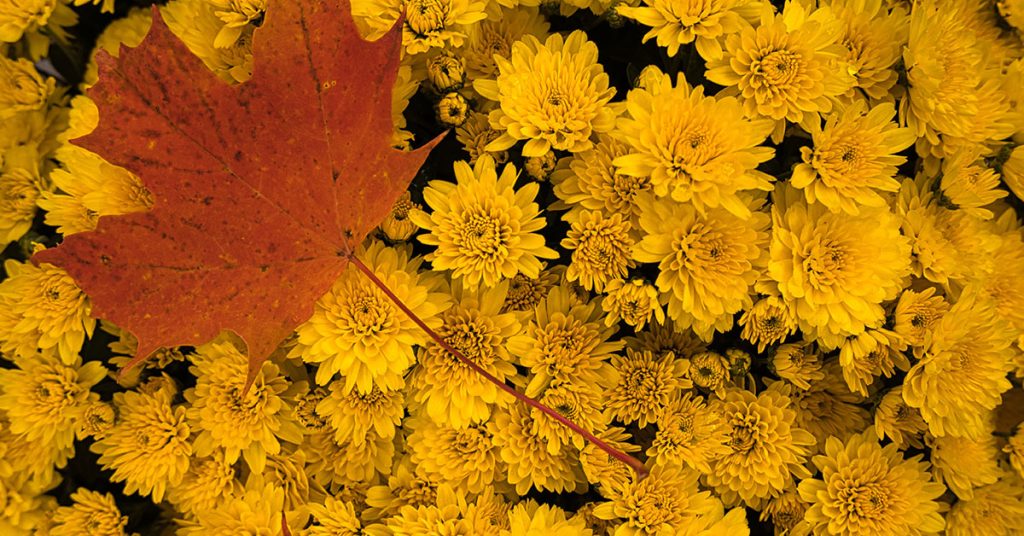
Chrysanthemums, or mums as they are commonly known, are quintessential fall flowers that bring a burst of color to any garden. Native to Asia and northeastern Europe, these hardy perennials are celebrated for their diverse range of colors, including deep reds, bright yellows, rich oranges, and vibrant purples. One of the reasons chrysanthemums are so beloved is their ability to produce large, showy blooms that can stand tall in garden beds, borders, or containers. Their sturdy stems and long blooming season make them a reliable choice for maintaining garden vibrancy well into October.
Beyond their stunning appearance, chrysanthemums play an important role in attracting beneficial insects such as bees and butterflies, which aid in pollination and overall garden health. These flowers are generally not considered invasive, making them a safe addition to both home gardens and public spaces. To ensure continuous blooming, it’s essential to deadhead spent flowers and provide adequate sunlight and well-drained soil. By incorporating chrysanthemums into your fall garden, you’re not only adding a splash of color but also supporting a healthy and thriving ecosystem. Embrace the beauty and resilience of mums to create a dynamic and colorful autumn landscape!
Ornamental Grasses
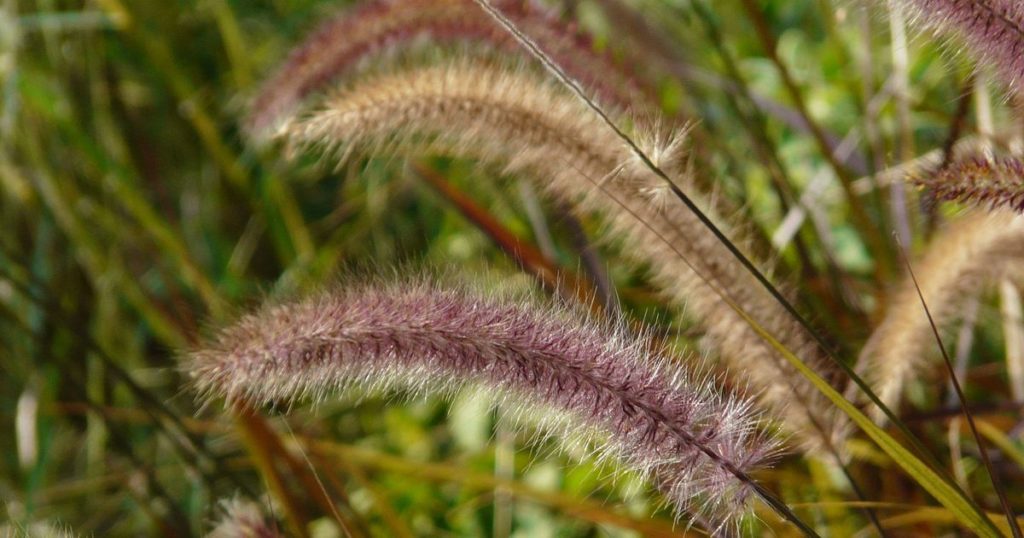
Ornamental grasses are a fantastic way to add texture and movement to your fall-themed garden. Native to various regions around the world, including North America, Europe, and Asia, these grasses come in a wide array of sizes, shapes, and colors, making them incredibly versatile for different garden styles. One of my favorite ornamental grasses is the Feather Reed Grass (Calamagrostis x acutiflora), which features tall, slender stems topped with feathery plumes that sway gracefully in the breeze. Their elegant form and subtle color variations provide a striking contrast to the bold hues of fall flowers.
In addition to their visual appeal, ornamental grasses offer practical benefits such as erosion control and habitat creation for wildlife. They are generally low-maintenance and drought-tolerant once established, making them an excellent choice for sustainable gardening. These grasses are not invasive, allowing them to coexist harmoniously with other plants in your garden. By incorporating a variety of ornamental grasses, you can create a layered and textured garden that captures the essence of autumn. Their enduring beauty and resilience make ornamental grasses a must-have for any fall-themed garden design!
Heucheras (Coral Bells)
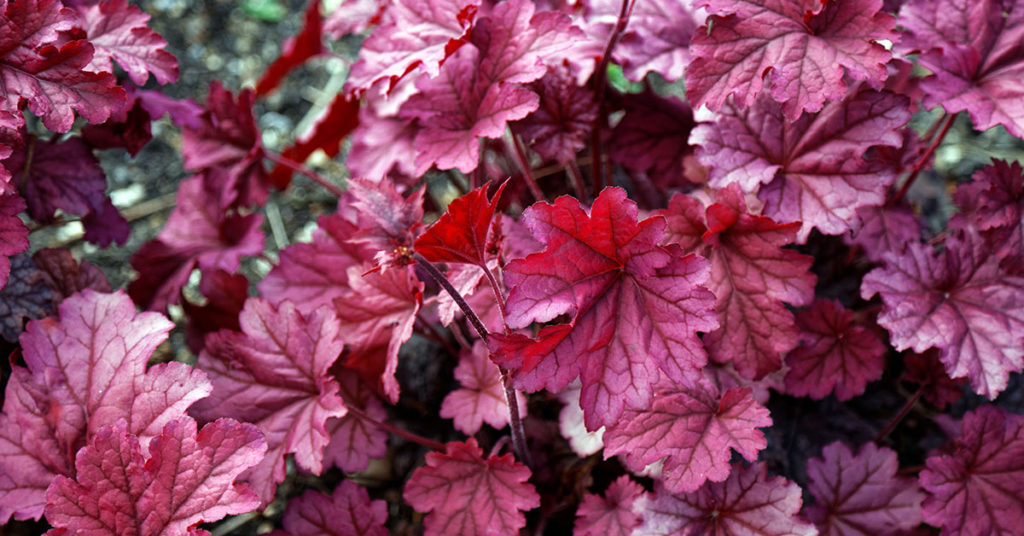
Heucheras, commonly known as Coral Bells, are beloved for their vibrant foliage and delicate flowers, making them a standout choice for fall gardens. Native to North America, these perennial plants come in a stunning array of leaf colors, including deep purples, fiery reds, bright yellows, and lush greens. The rich, colorful leaves provide a beautiful backdrop for the blooms that appear in late summer and fall, adding depth and interest to your garden beds. One of the reasons Heucheras are so popular is their ability to thrive in partial shade, making them perfect for gardens with varying light conditions.
In addition to their colorful foliage, Heucheras attract pollinators such as butterflies and hummingbirds with their tiny, bell-shaped flowers. These plants are generally not invasive, making them a safe and attractive addition to your garden. Heucheras prefer well-drained soil and regular watering, especially during dry spells, to maintain their vibrant colors and healthy growth. Incorporating Heucheras into your fall garden not only enhances its visual appeal but also supports a diverse and lively ecosystem. Their versatility and stunning colors make Coral Bells a fantastic choice for creating a dynamic and colorful autumn landscape!
Asters

Asters are a classic choice for fall gardens, offering a stunning display of star-shaped flowers in a variety of colors, including purple, blue, pink, and white. Native to Eurasia and North America, these hardy perennials are perfect for adding late-season color and attracting pollinators such as bees and butterflies. One of the things I love about asters is their ability to bloom well into the cooler months, providing a continuous splash of color as other plants begin to fade. Their delicate petals and sturdy stems create a graceful presence in garden beds, borders, and containers.
Beyond their beauty, asters play a crucial role in supporting local ecosystems by providing essential nectar for migrating monarch butterflies and other pollinators preparing for winter. These flowers are generally not invasive, making them a safe and beneficial addition to your garden. To ensure a long blooming season, it’s important to deadhead spent blooms and provide them with adequate sunlight and well-drained soil. By incorporating asters into your fall garden, you’re not only enhancing its visual appeal but also contributing to the health and sustainability of your local environment. Embrace the elegance and ecological benefits of asters to create a vibrant and thriving autumn garden!
Sedum (Stonecrop)
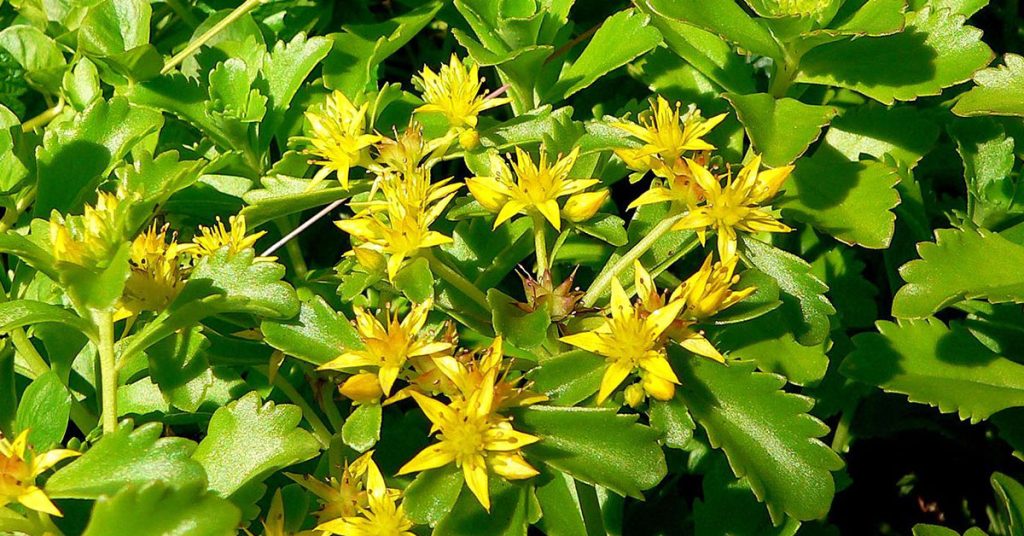
Sedum, commonly known as Stonecrop, is a fantastic addition to fall gardens thanks to its succulent leaves and late-season blooms. Native to Eurasia and North America, Sedums are hardy perennials that come in a variety of forms, from low-growing ground covers to tall, upright varieties. One of my favorite Sedums is the Autumn Joy, which features fleshy, deep green leaves and clusters of pink flowers that turn to a rich rust color as they mature. Their succulent nature allows them to thrive in well-drained soil and full sun, making them ideal for rock gardens, borders, and container plantings.
In addition to their striking appearance, Sedums are excellent for attracting pollinators such as bees and butterflies, which are still active in the fall. These plants are generally not invasive and are easy to care for, requiring minimal maintenance once established. Sedums are also drought-tolerant, making them a sustainable choice for water-wise gardens. Their ability to withstand harsh conditions and their vibrant, long-lasting blooms make Sedum a reliable and beautiful choice for any fall-themed garden. Incorporate Sedums into your autumn landscape to enjoy their resilience and enduring beauty throughout the season!
Dahlias
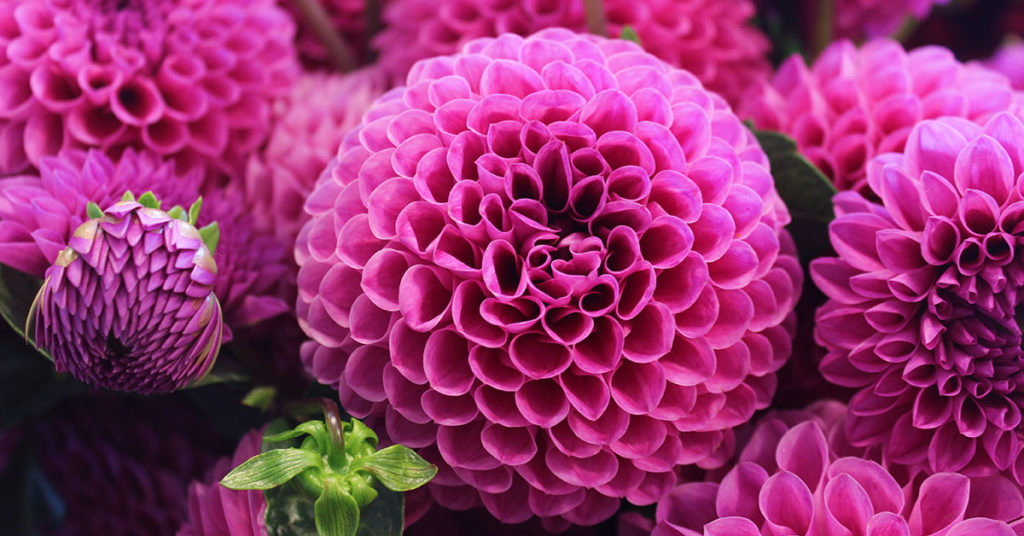
Dahlias are a stunning choice for fall gardens, renowned for their large, vibrant blooms that come in an impressive array of colors and shapes. Native to Mexico and Central America, these perennials are prized for their dramatic flowers, which can range from simple pom-poms to intricate, multi-layered forms. One of the reasons dahlias are so beloved is their extended blooming period, which can last well into the fall months with proper care. Their bold colors, including fiery reds, sunny yellows, rich oranges, and deep purples, make them a focal point in any garden setting.
In addition to their beauty, dahlias attract a variety of pollinators, including bees and butterflies, which help support a healthy garden ecosystem. While dahlias are not considered invasive, they do require regular maintenance, including staking for taller varieties and deadheading spent blooms to encourage continuous flowering. Providing them with full sun and well-drained soil will ensure they thrive and produce their stunning blooms throughout the autumn season. By incorporating dahlias into your fall garden, you’re adding a touch of elegance and vibrancy that can elevate the entire landscape. Embrace the grandeur of dahlias to create a captivating and colorful autumn garden that will impress all who see it!
Ornamental Cabbage and Kale

Ornamental cabbage and kale are fantastic choices for adding texture and color to your fall garden. Native to the Mediterranean region, these plants are cultivated for their striking, colorful foliage that ranges from deep purples and bright pinks to crisp whites and vivid greens. One of the things I love about ornamental cabbage and kale is their versatility; they can be used as focal points in garden beds, borders, or containers, and their unique textures provide a beautiful contrast to more traditional fall flowers. Their sturdy leaves and rosette growth habit make them an eye-catching addition to any autumn landscape.
Beyond their aesthetic appeal, ornamental cabbage and kale are also beneficial for the garden ecosystem. They attract beneficial insects such as predatory beetles that help manage pests naturally, reducing the need for chemical interventions. These plants are generally not invasive and are easy to care for, requiring minimal maintenance once established. They thrive in cooler temperatures, making them perfect for fall gardening as they can withstand frost and continue to add color even as other plants begin to fade. Incorporating ornamental cabbage and kale into your fall-themed garden not only enhances its visual interest but also supports a healthy and balanced ecosystem. Embrace the vibrant colors and unique textures of these plants to create a dynamic and resilient autumn garden!